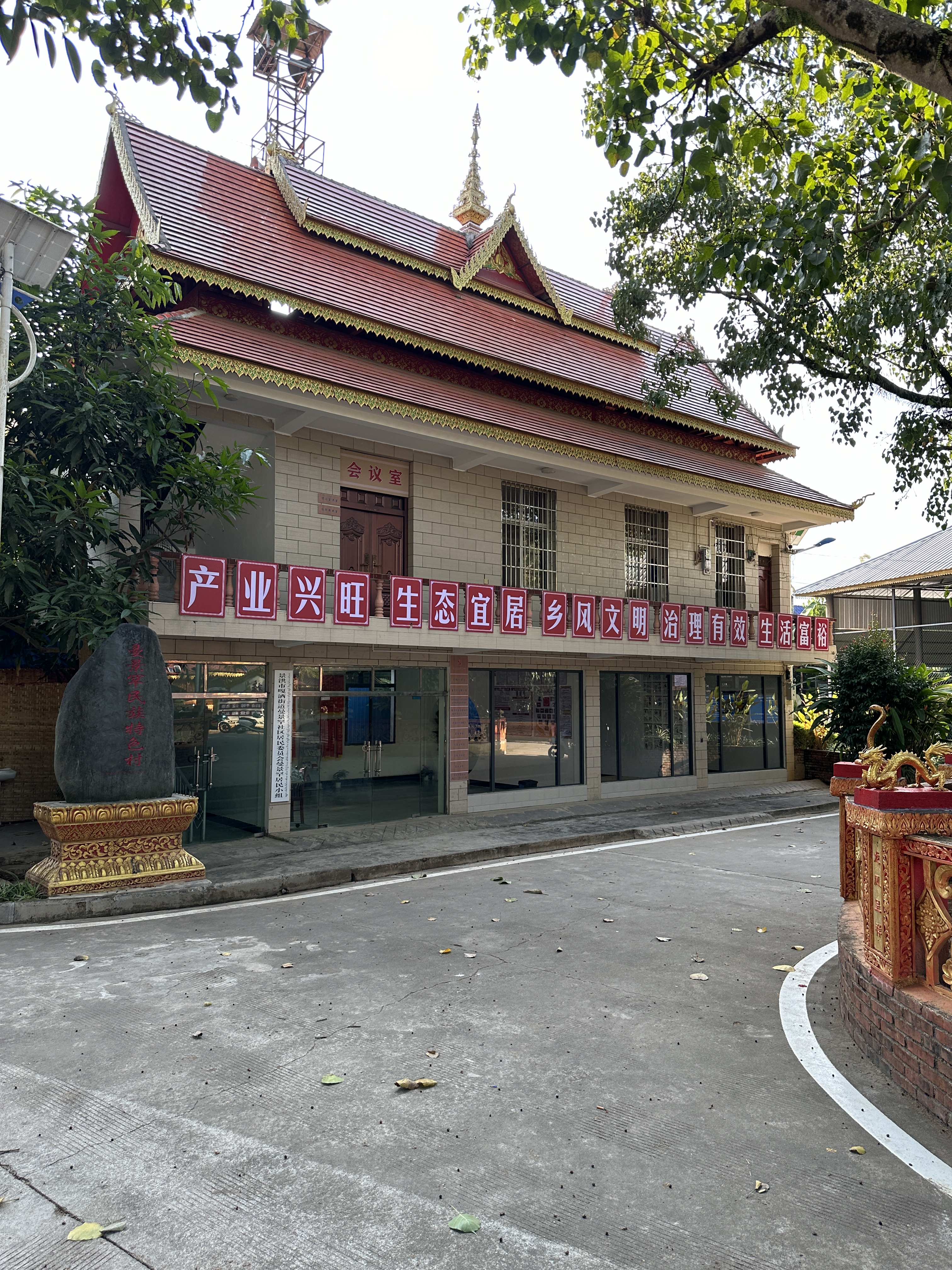
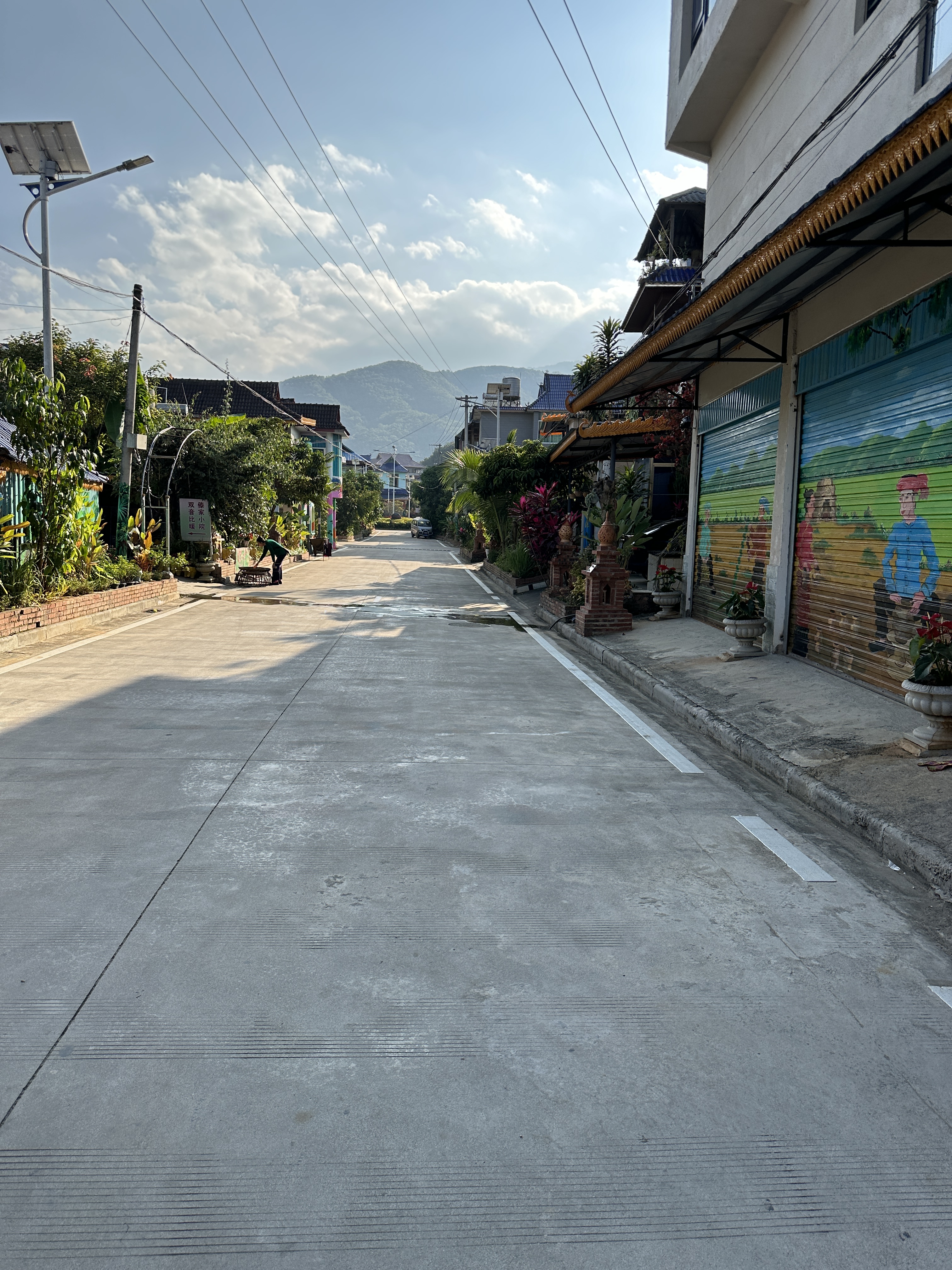
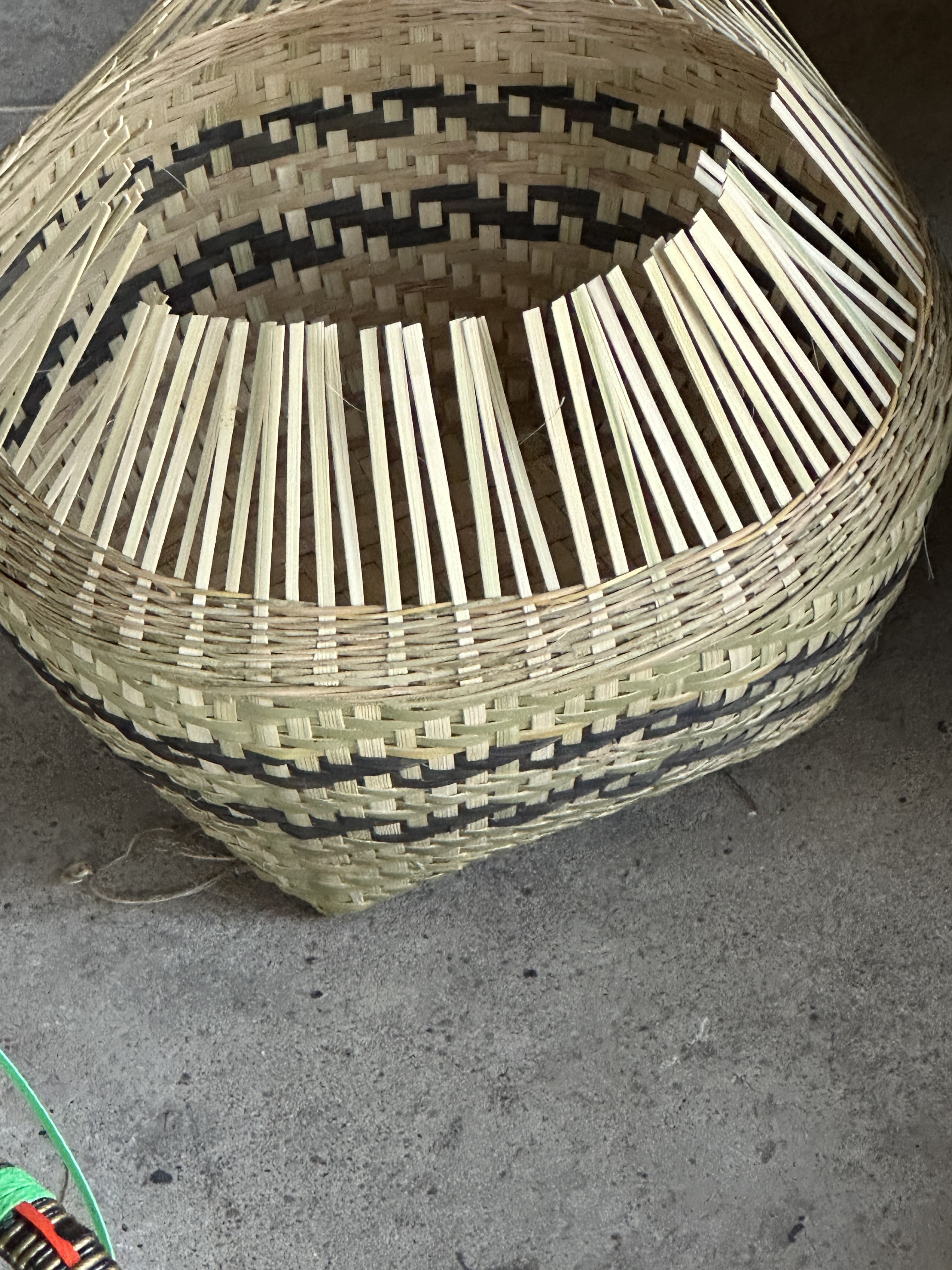
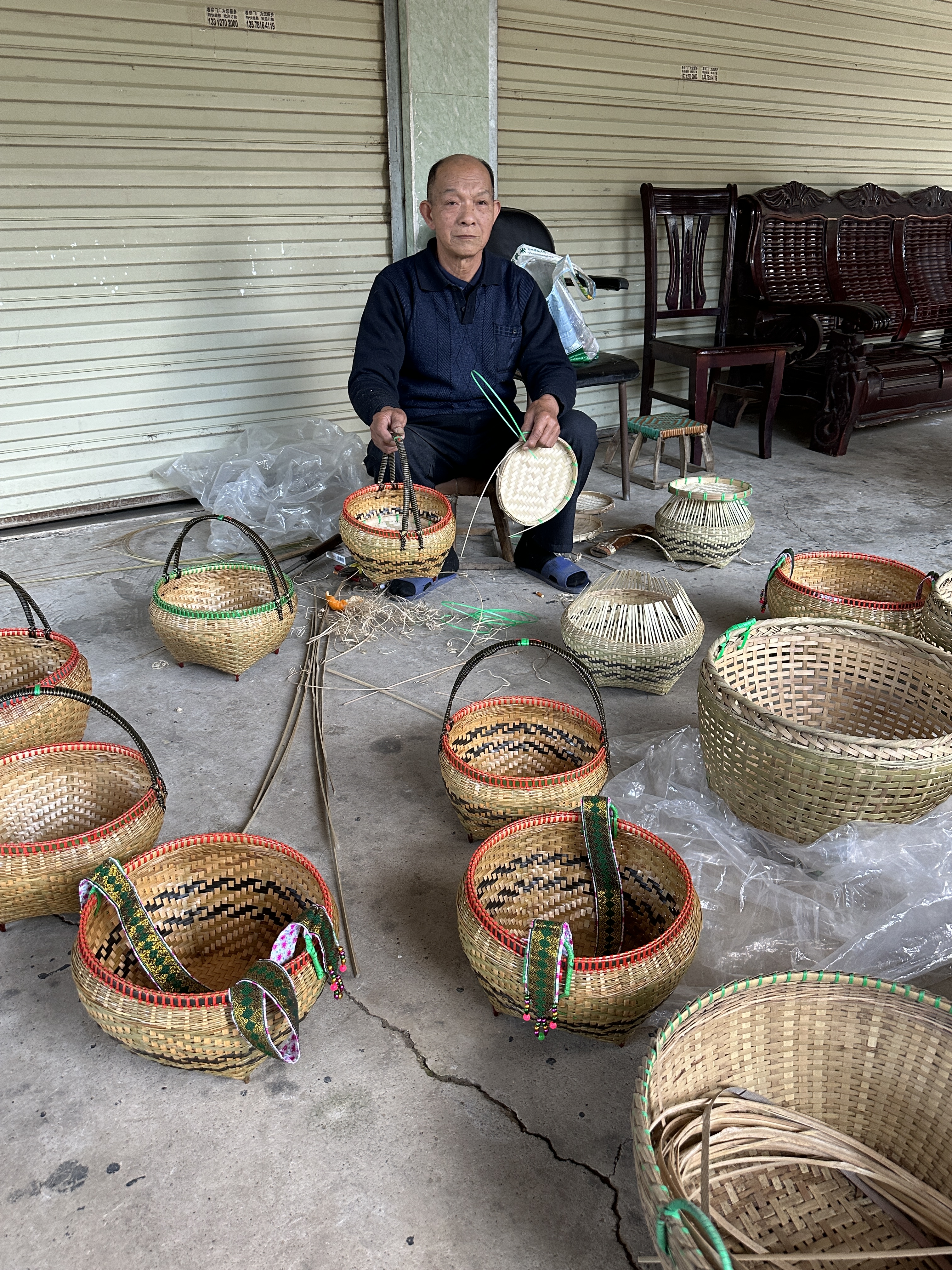
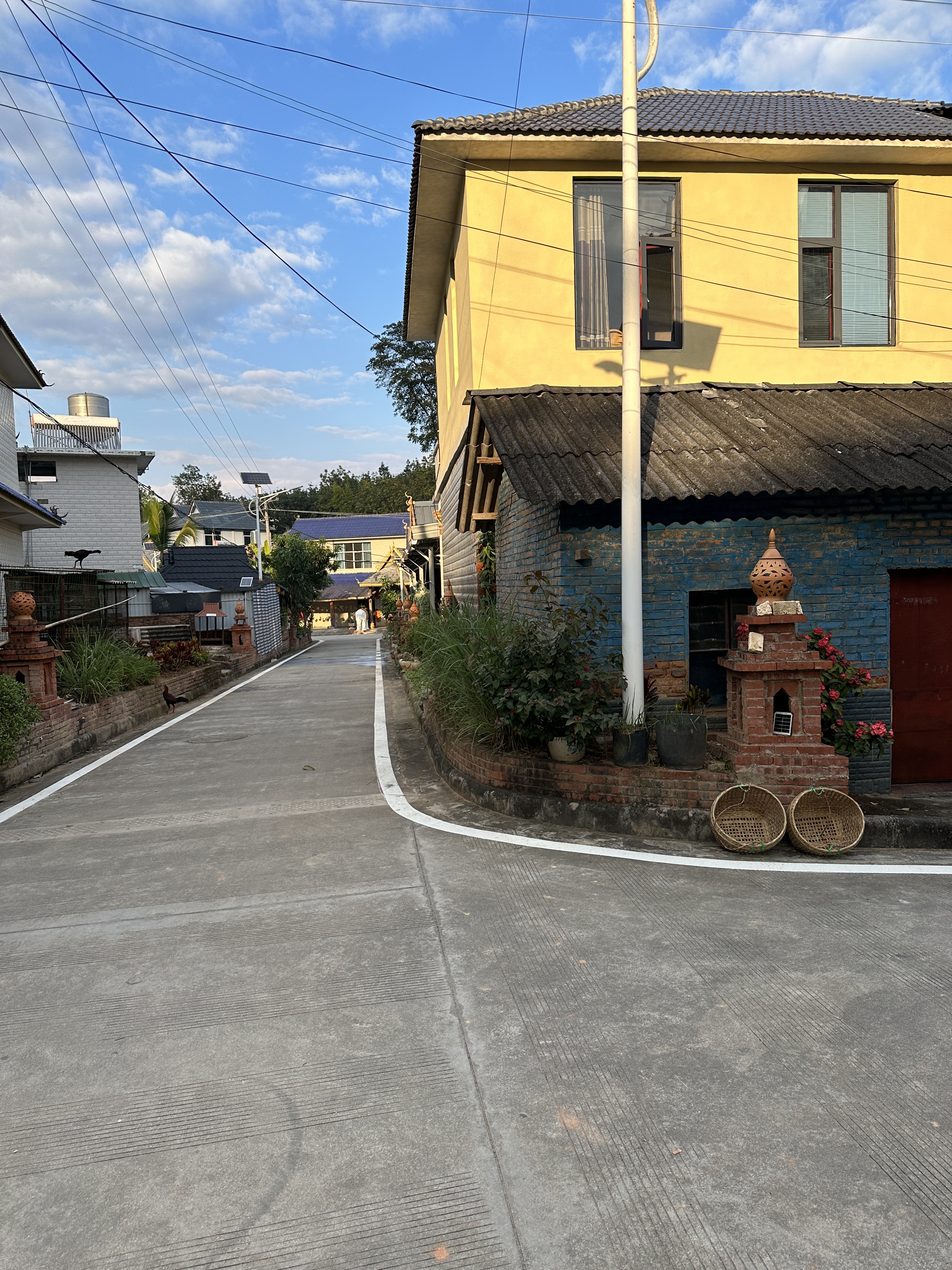
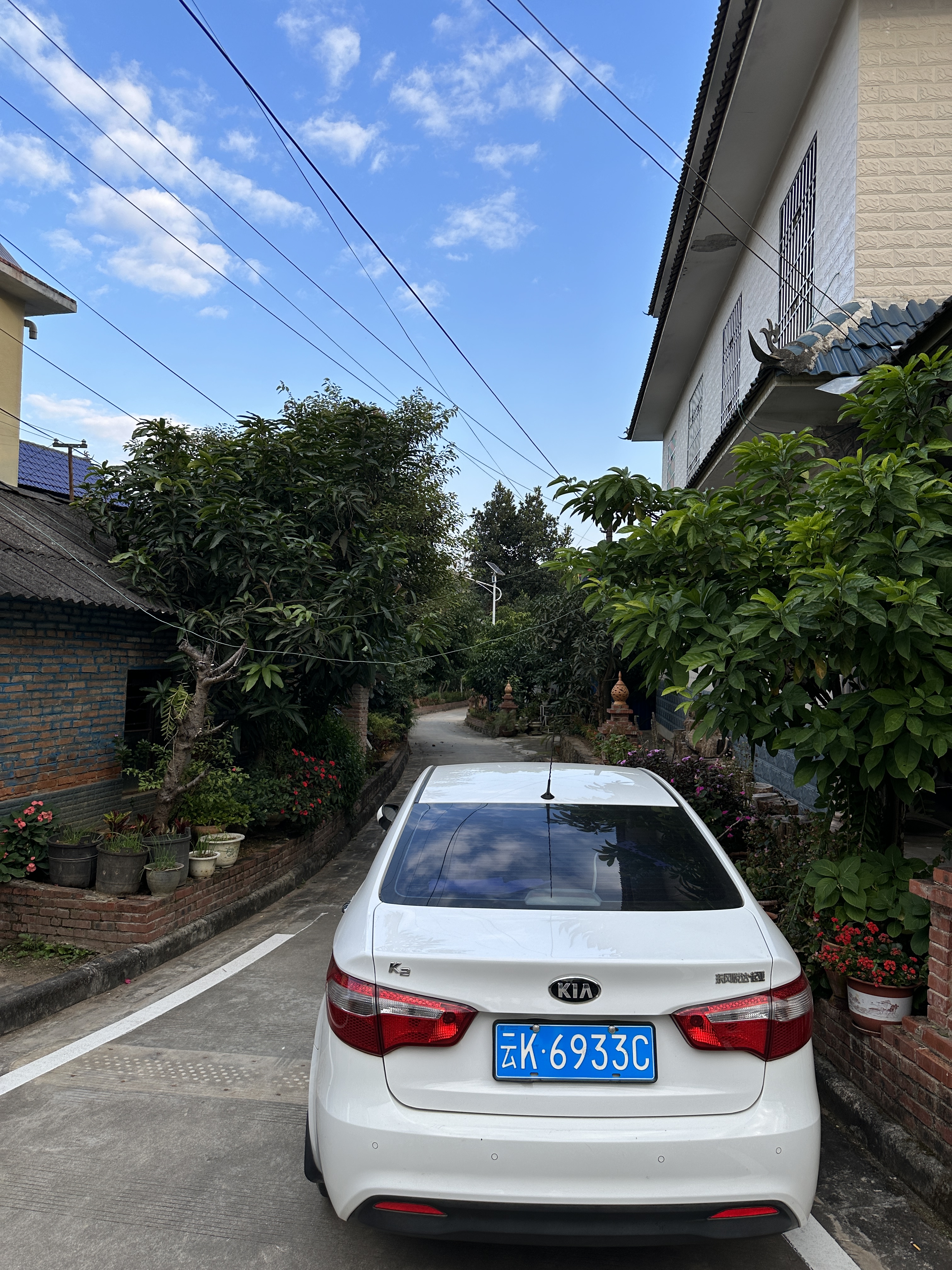
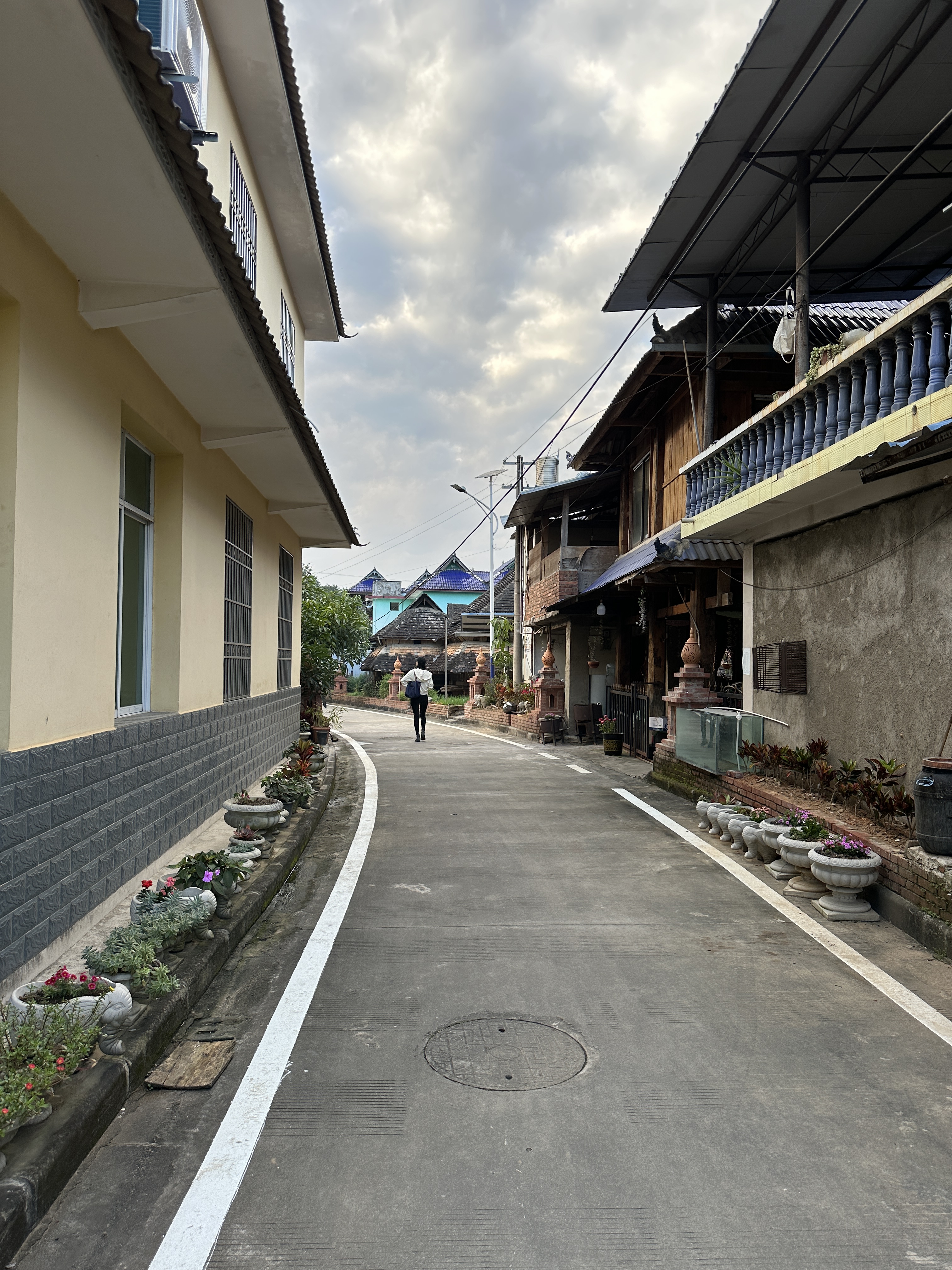
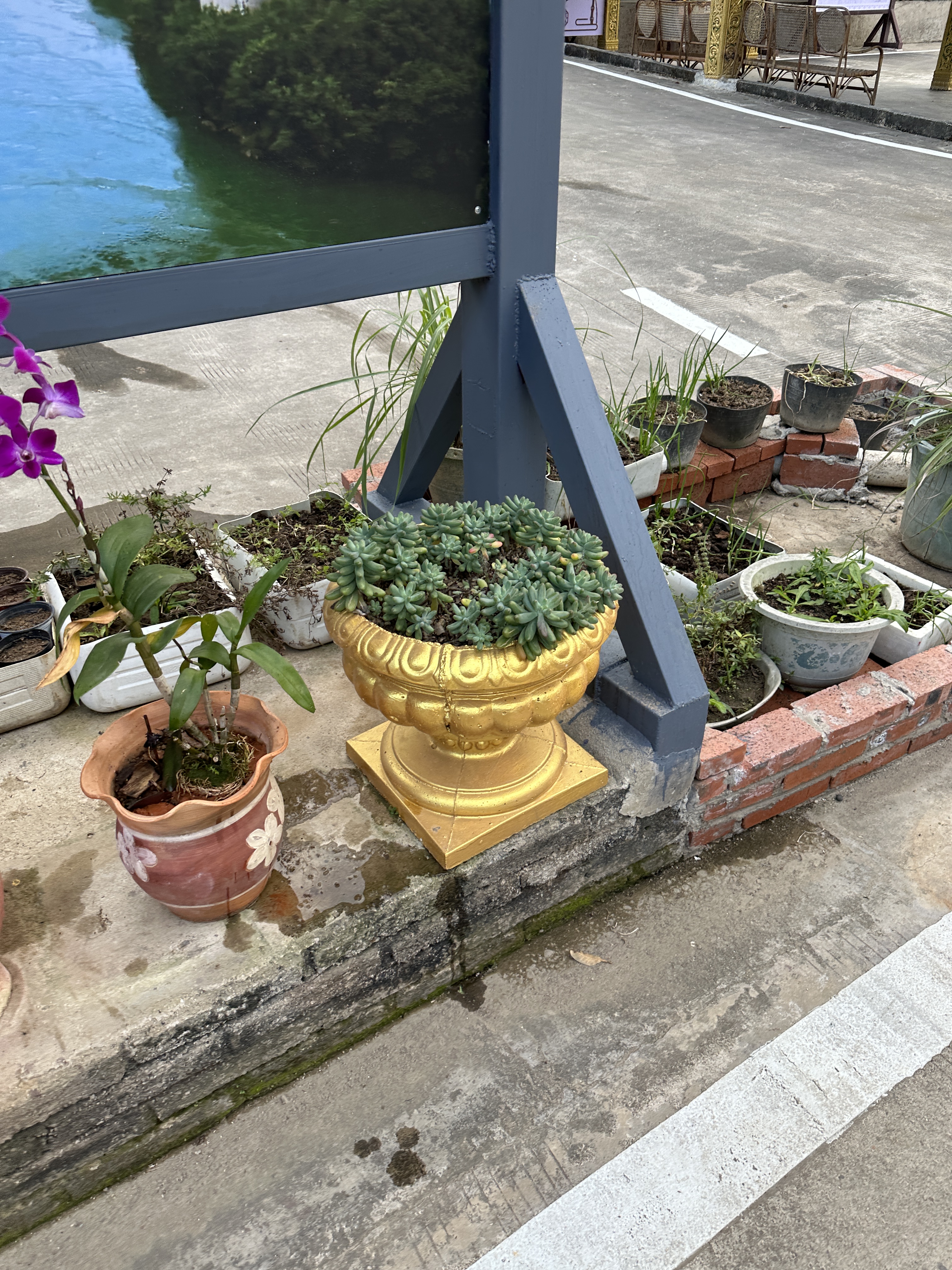
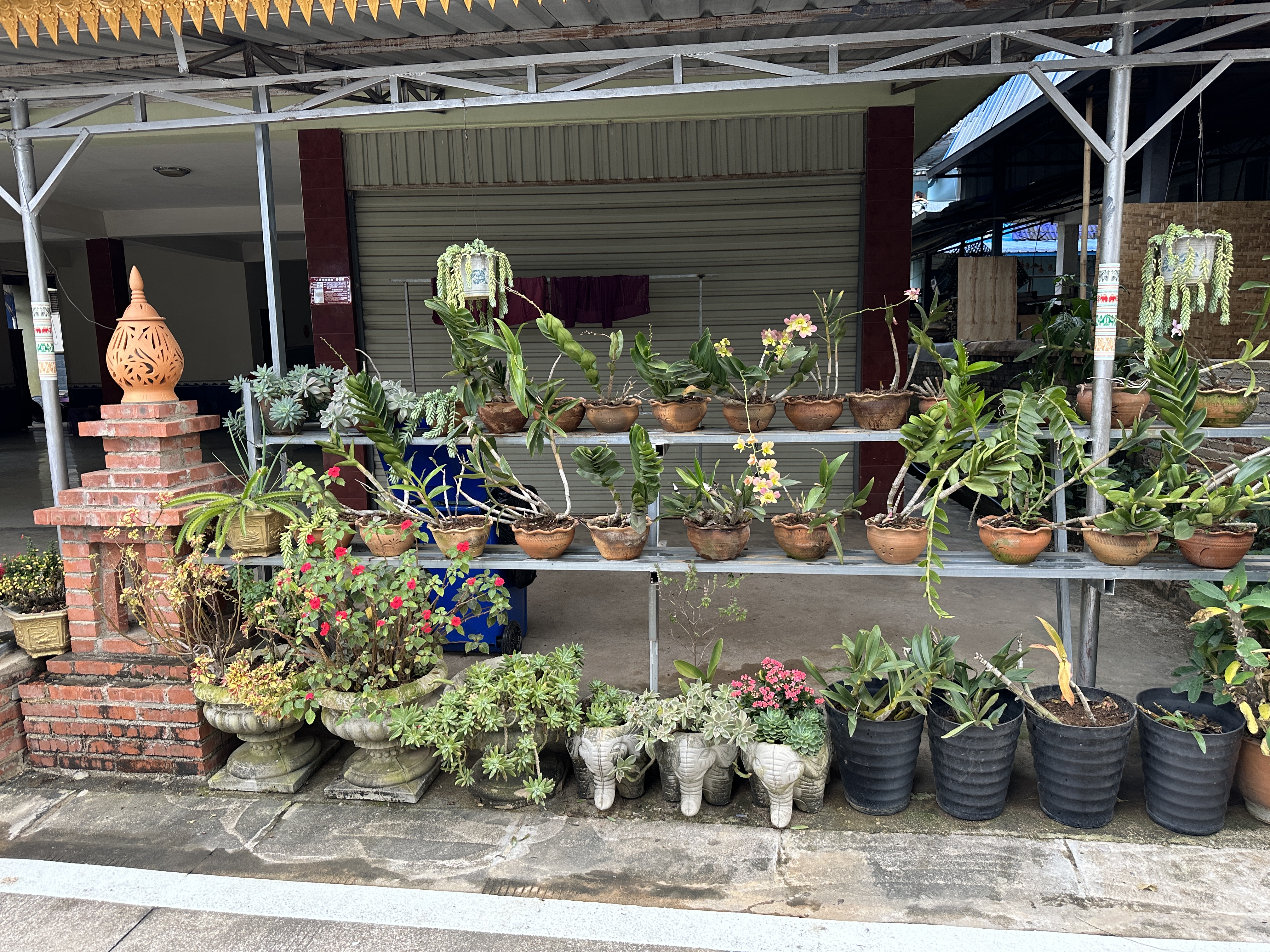
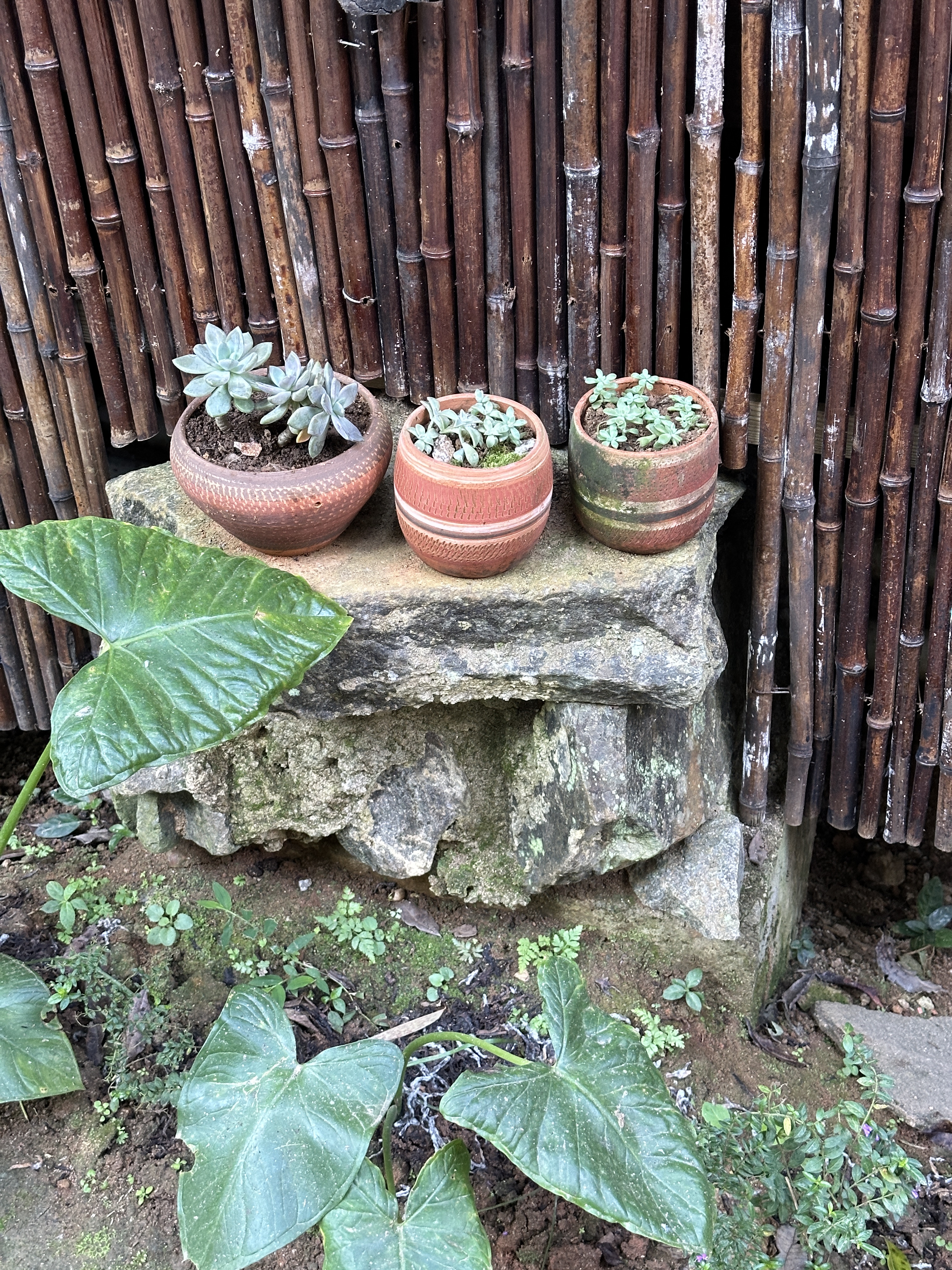
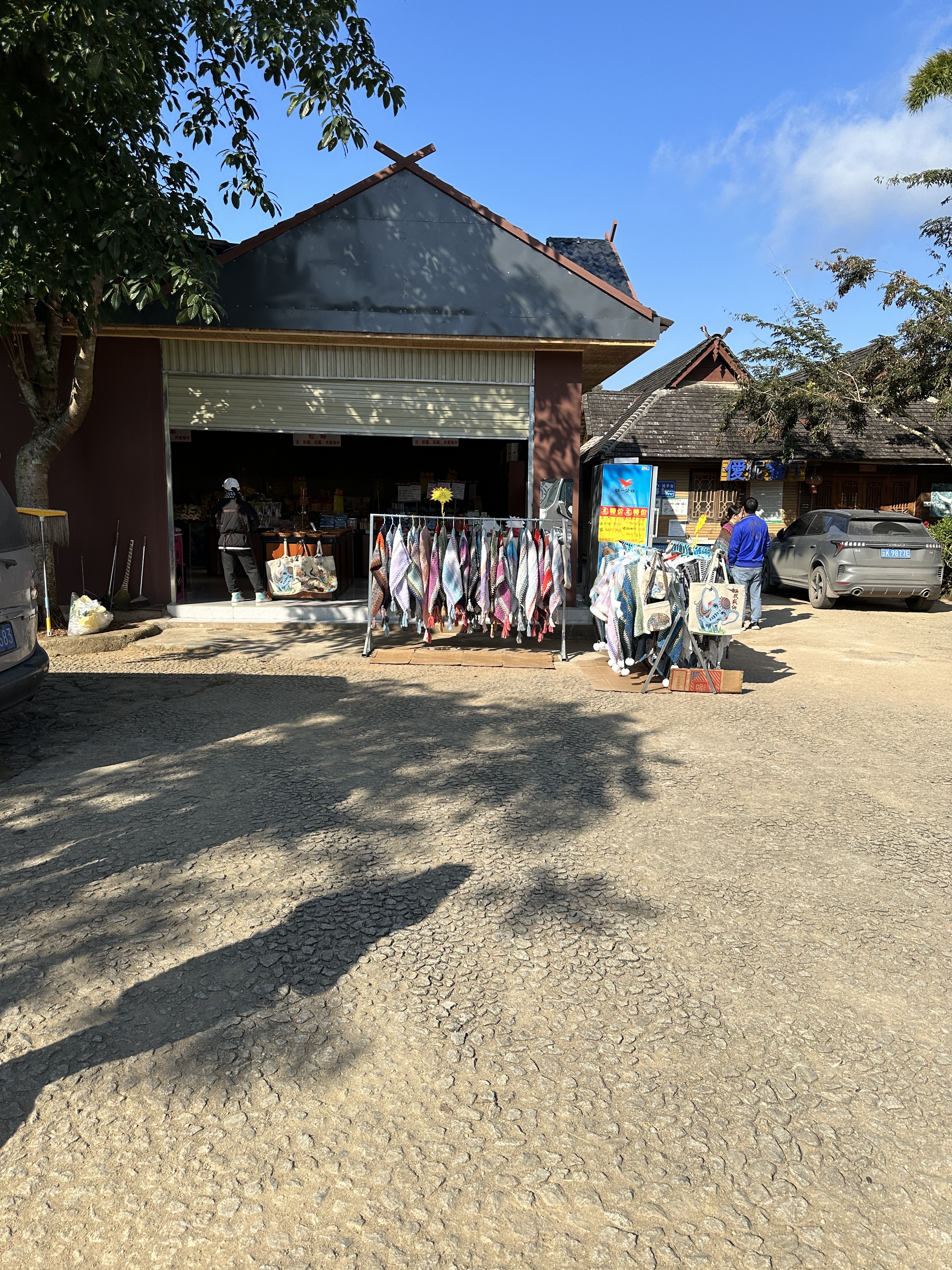
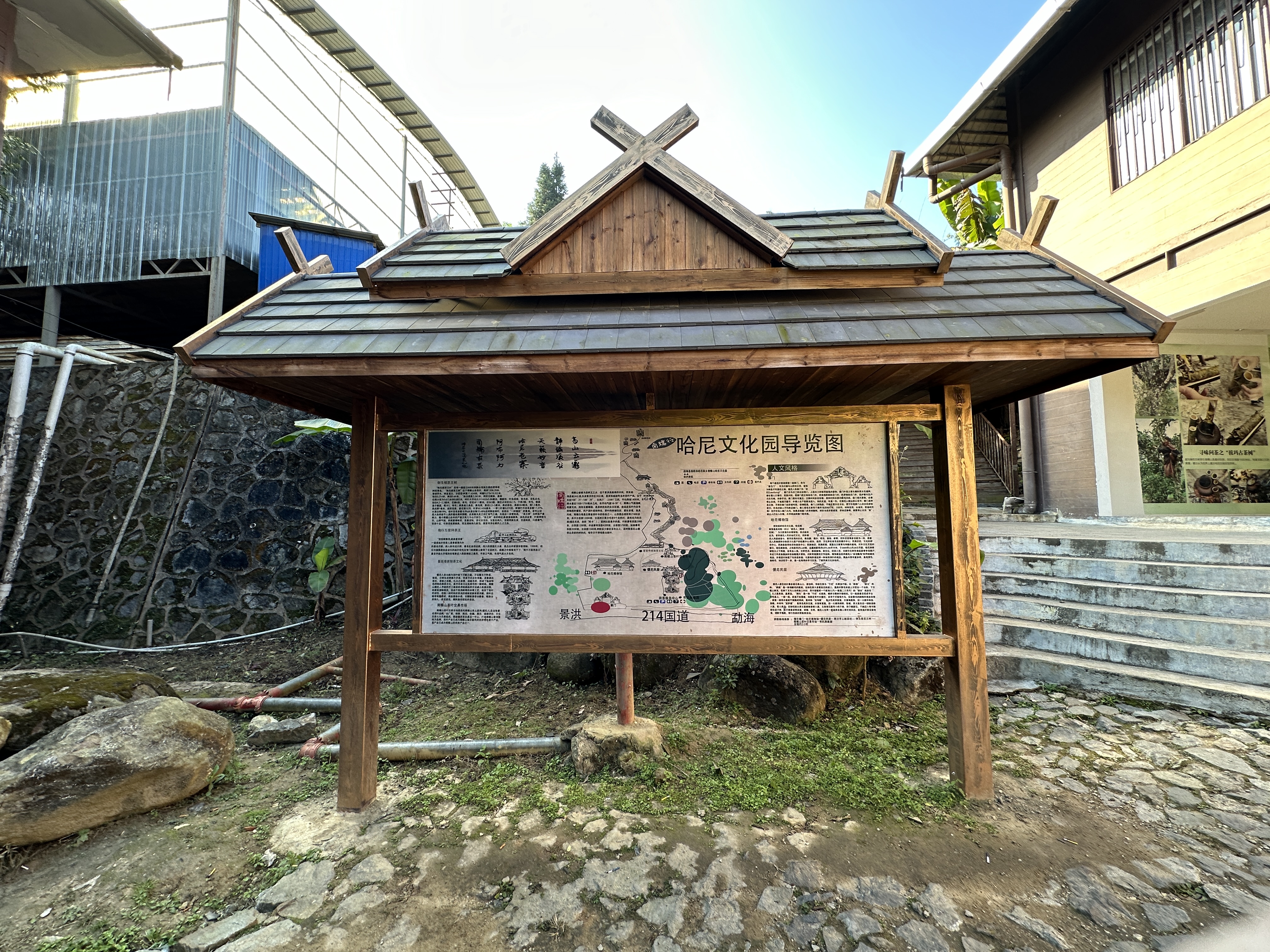
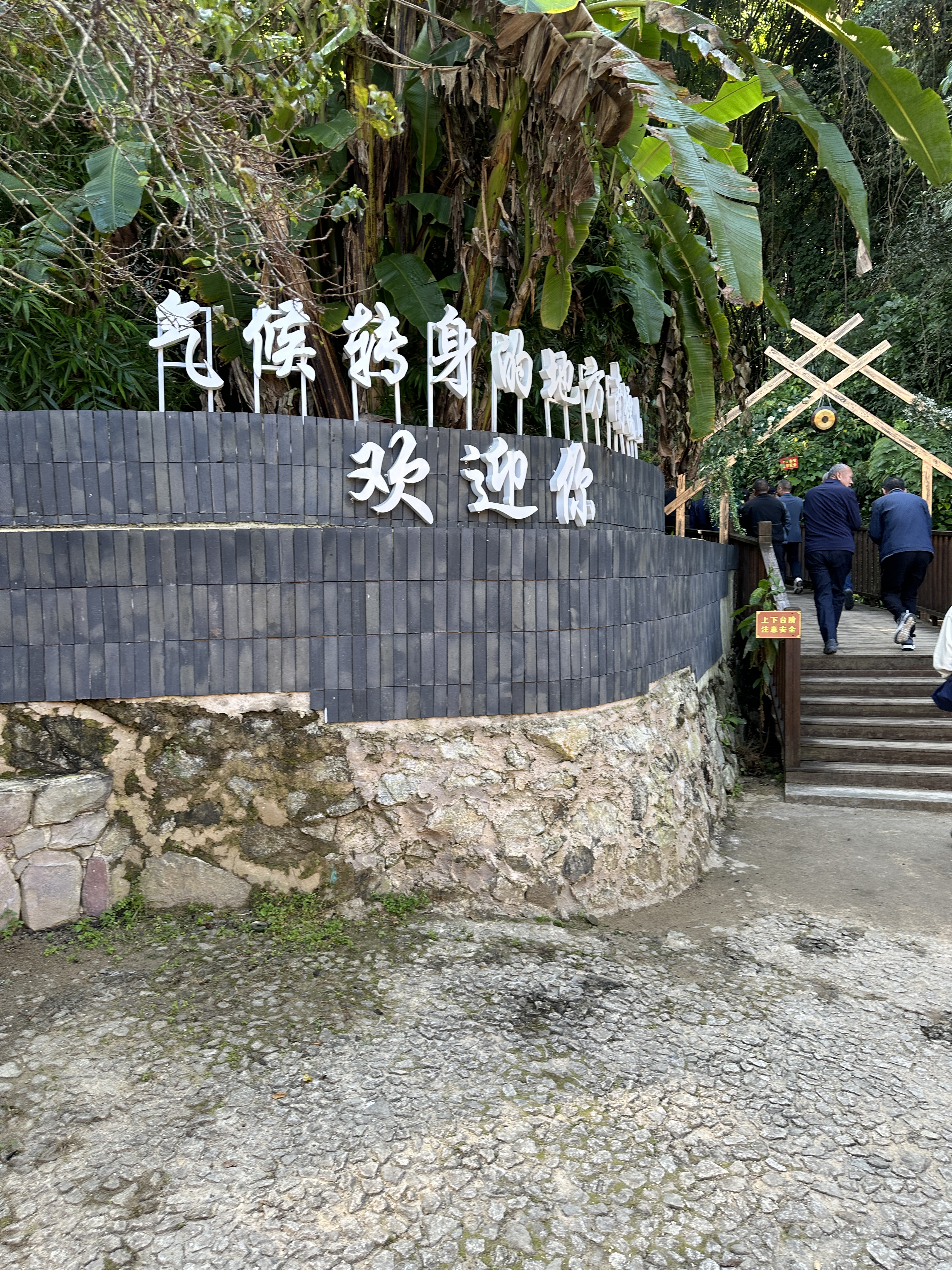
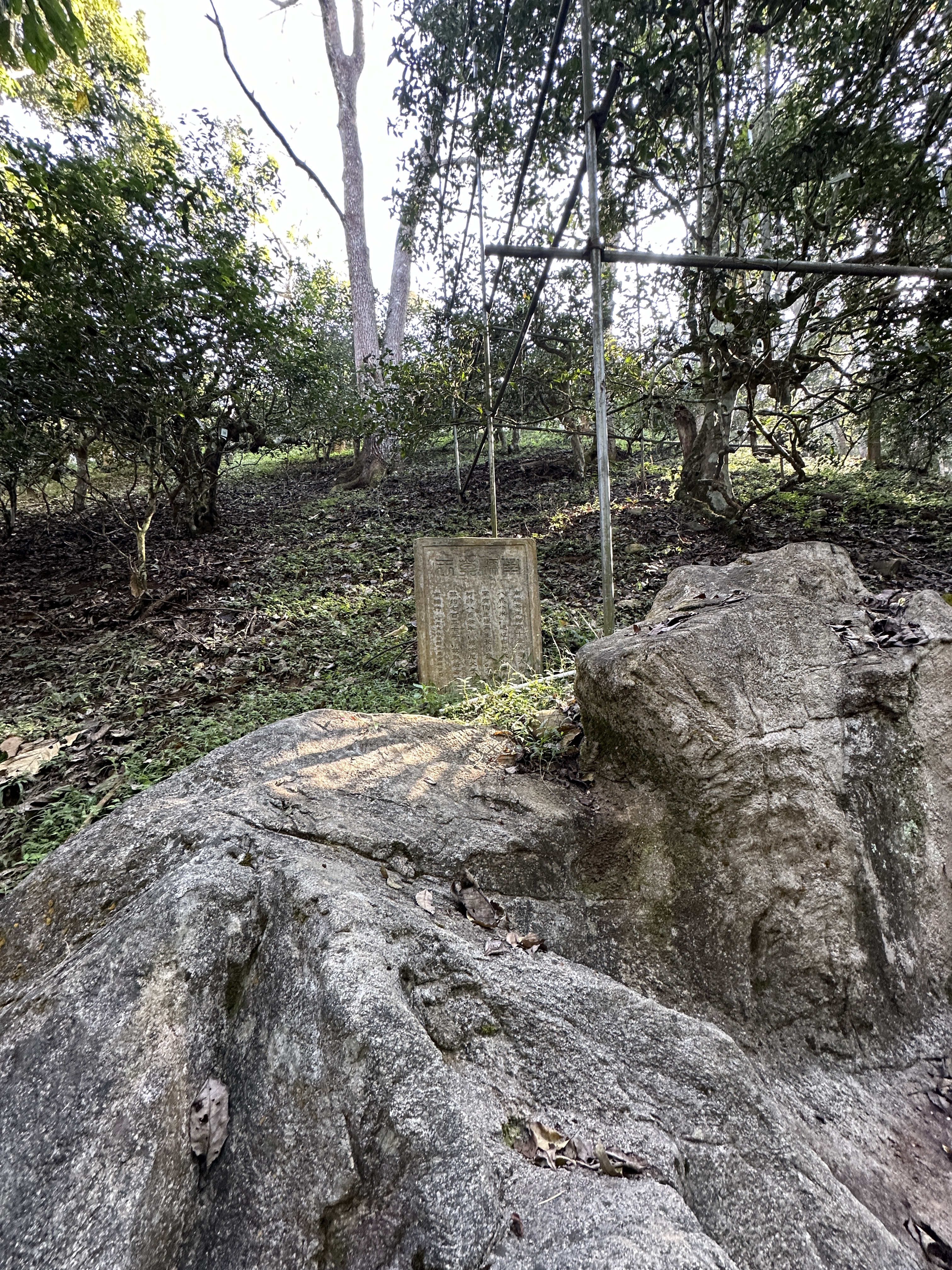
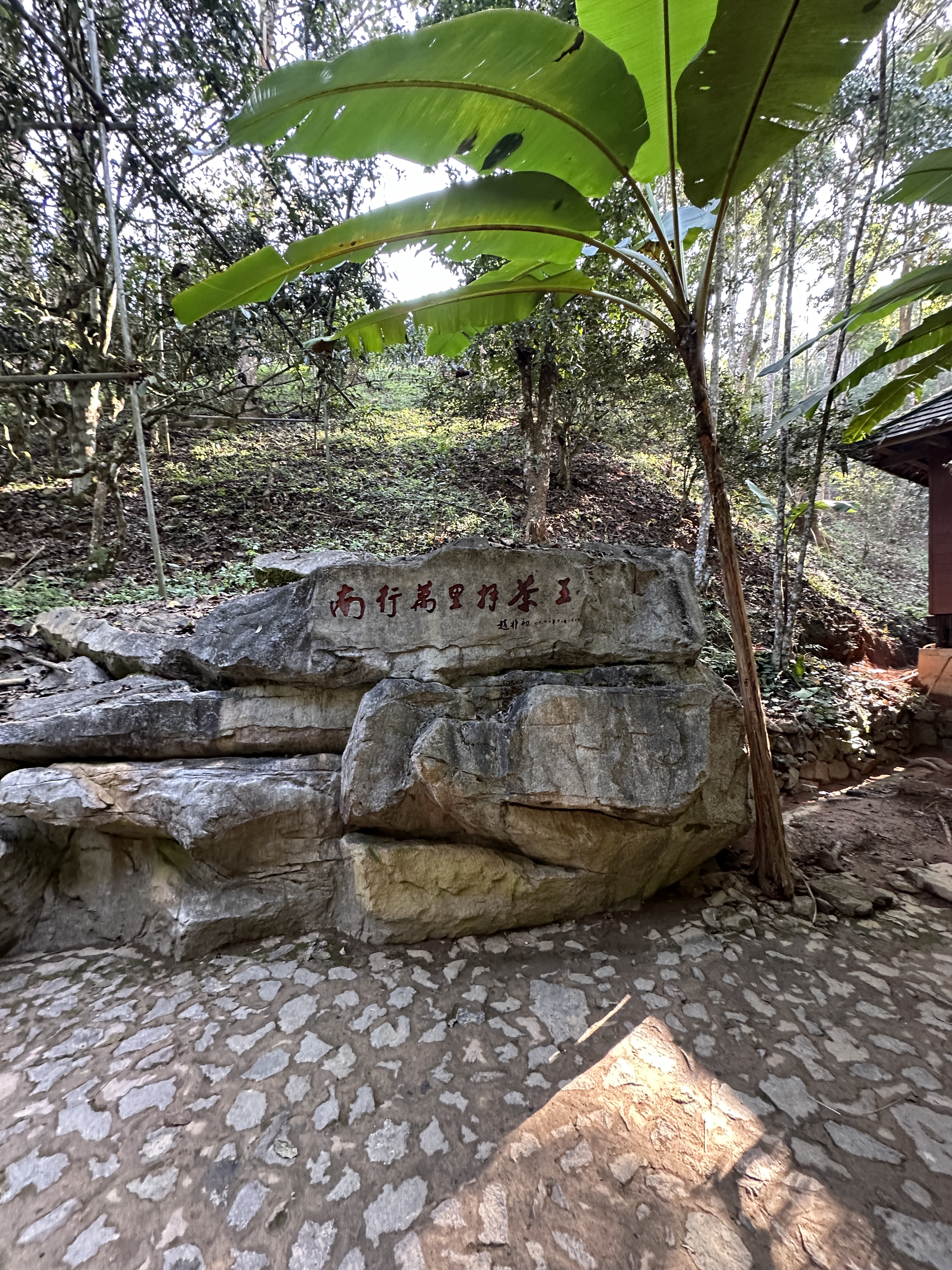
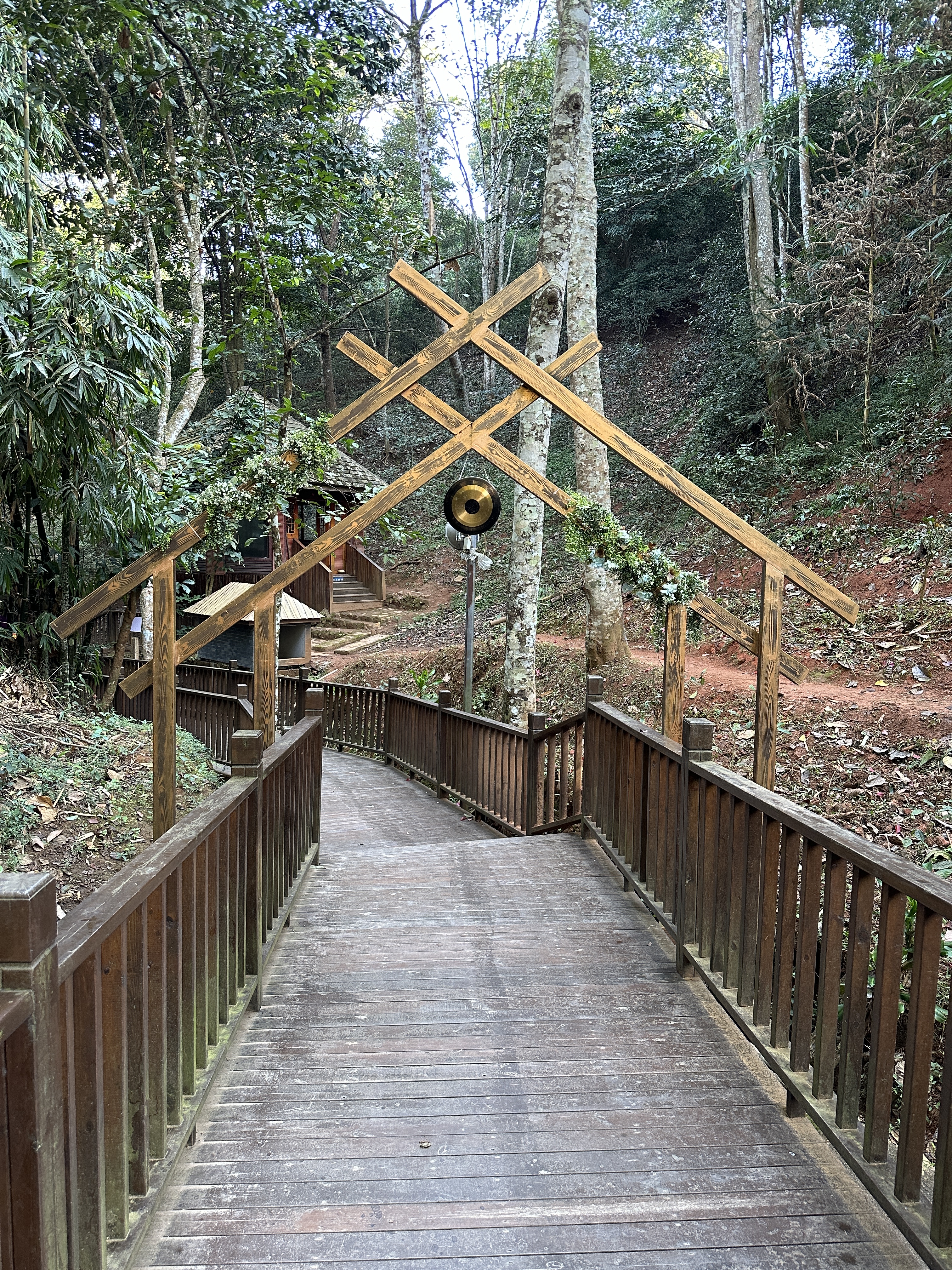
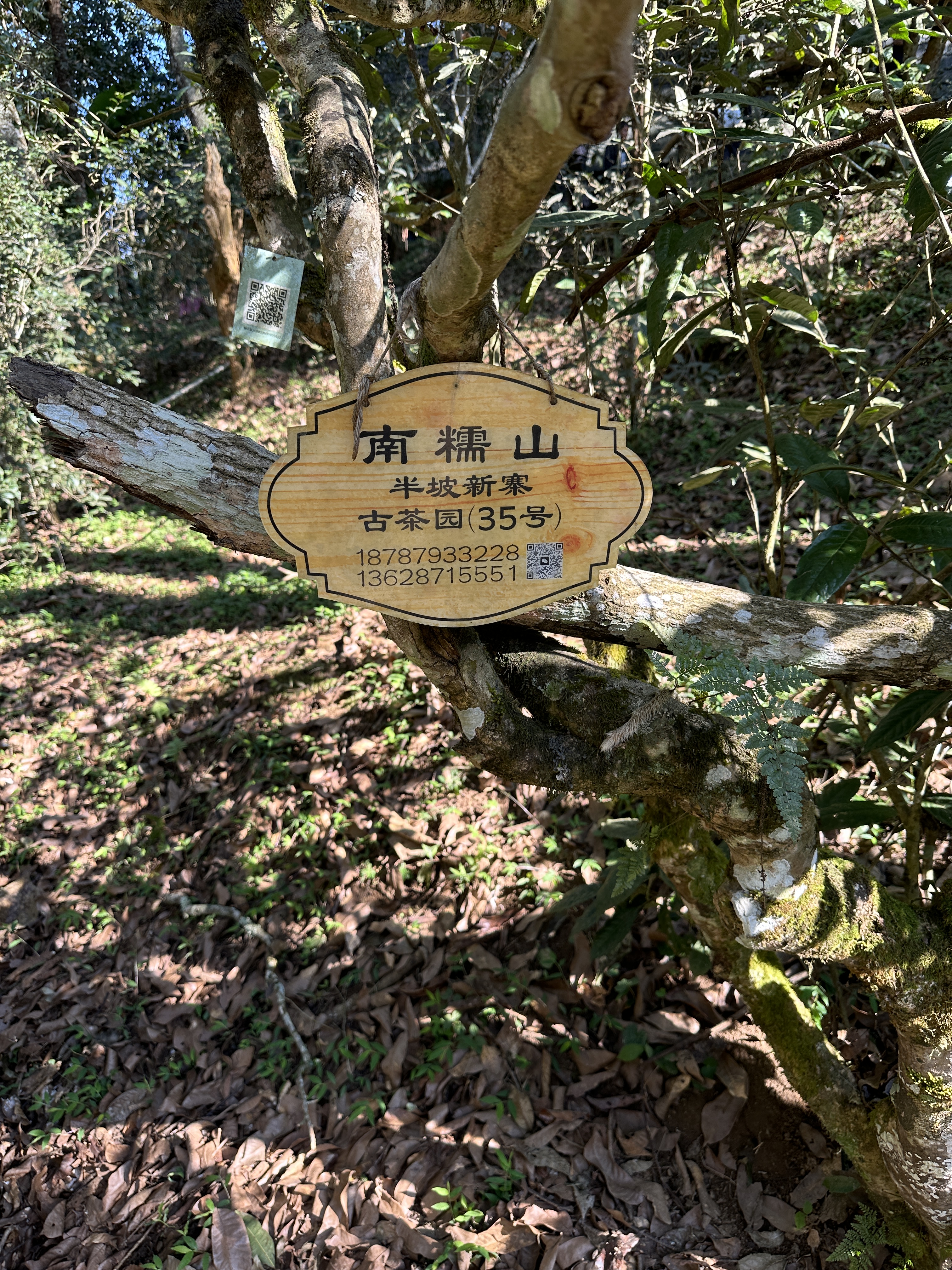
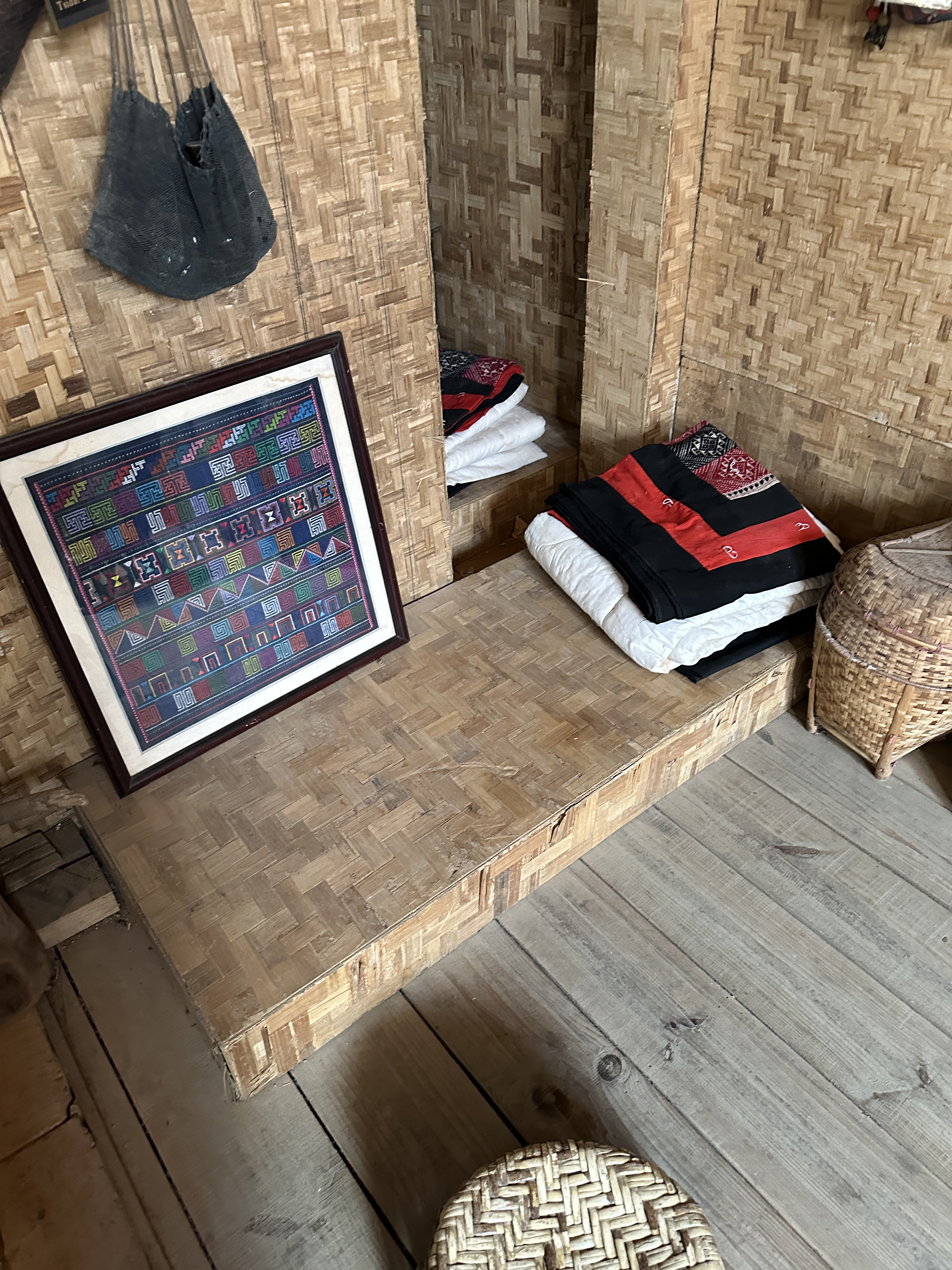
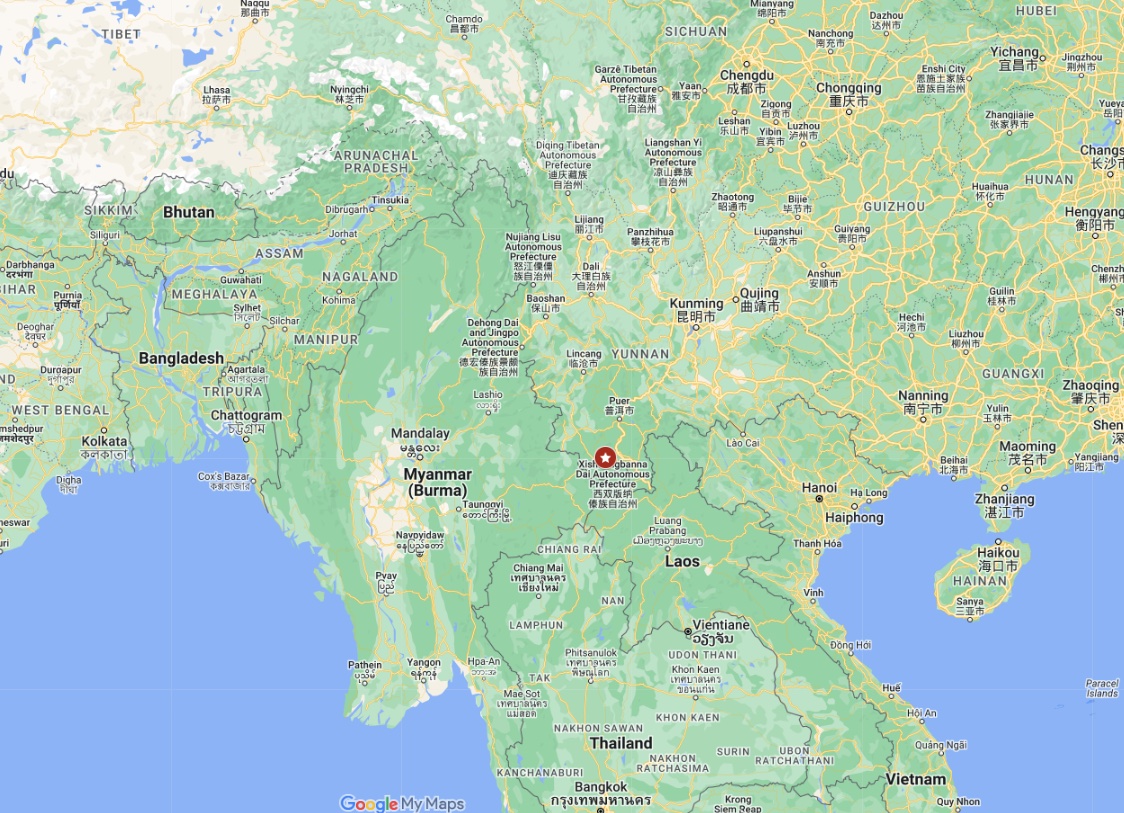
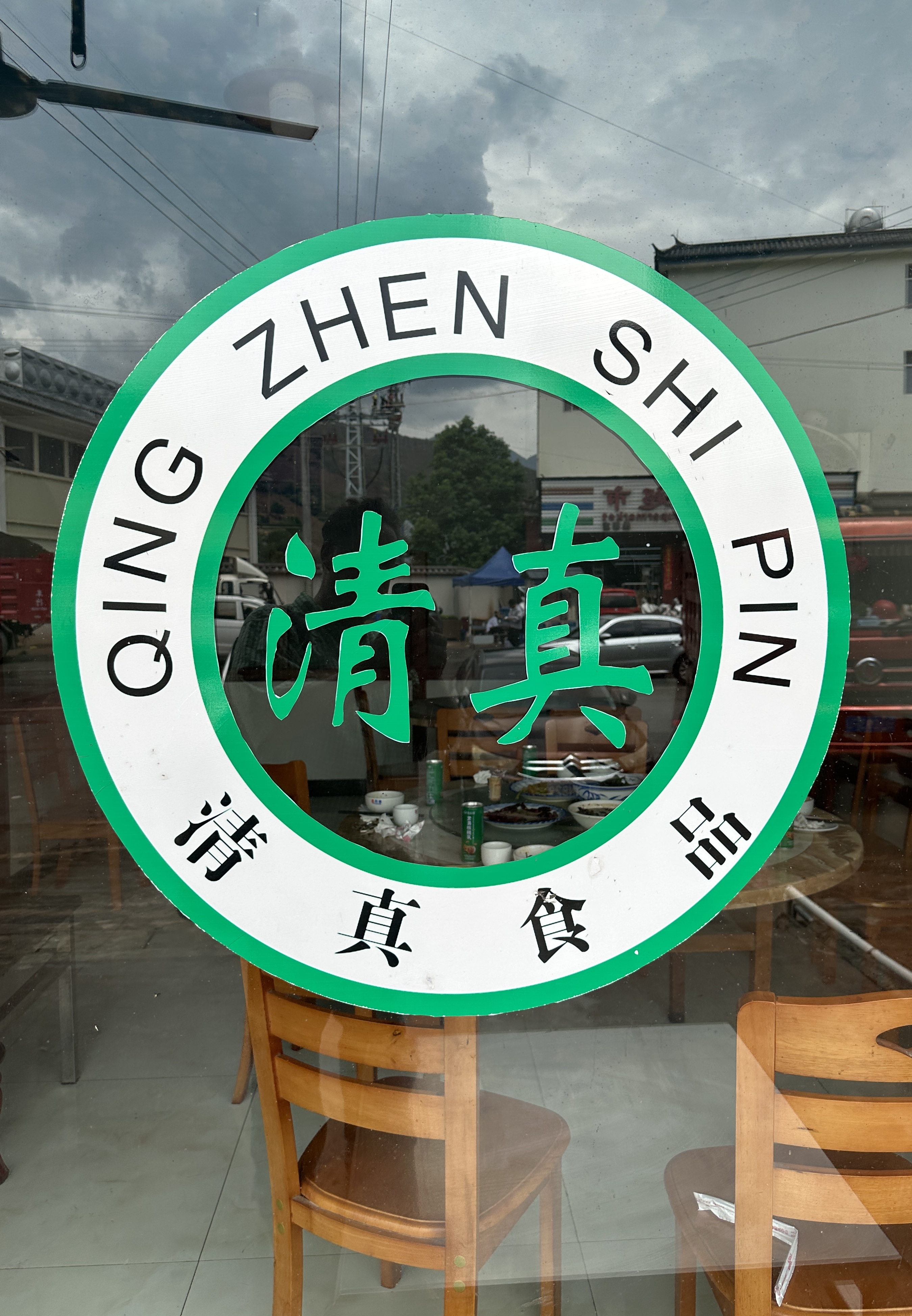
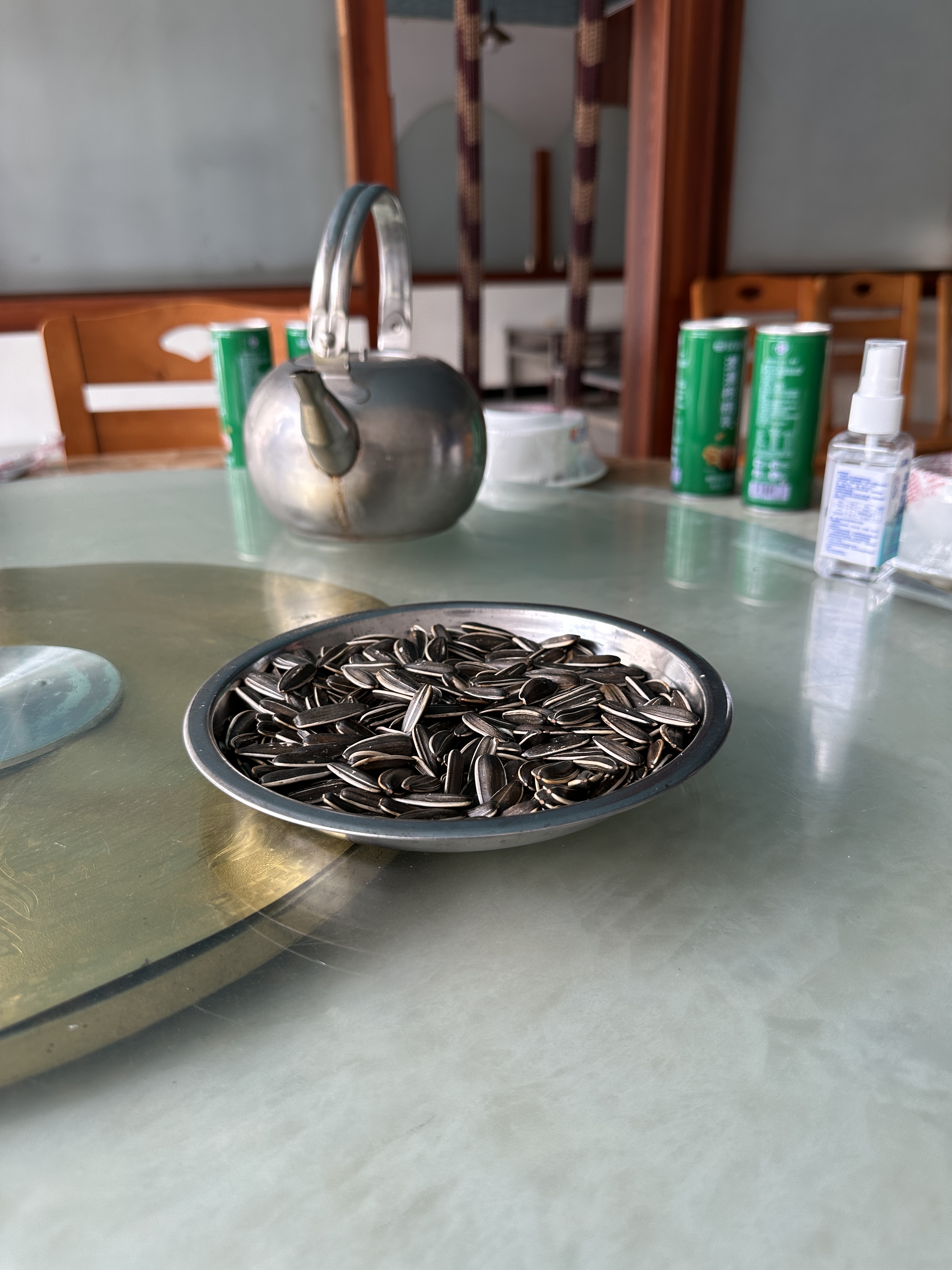
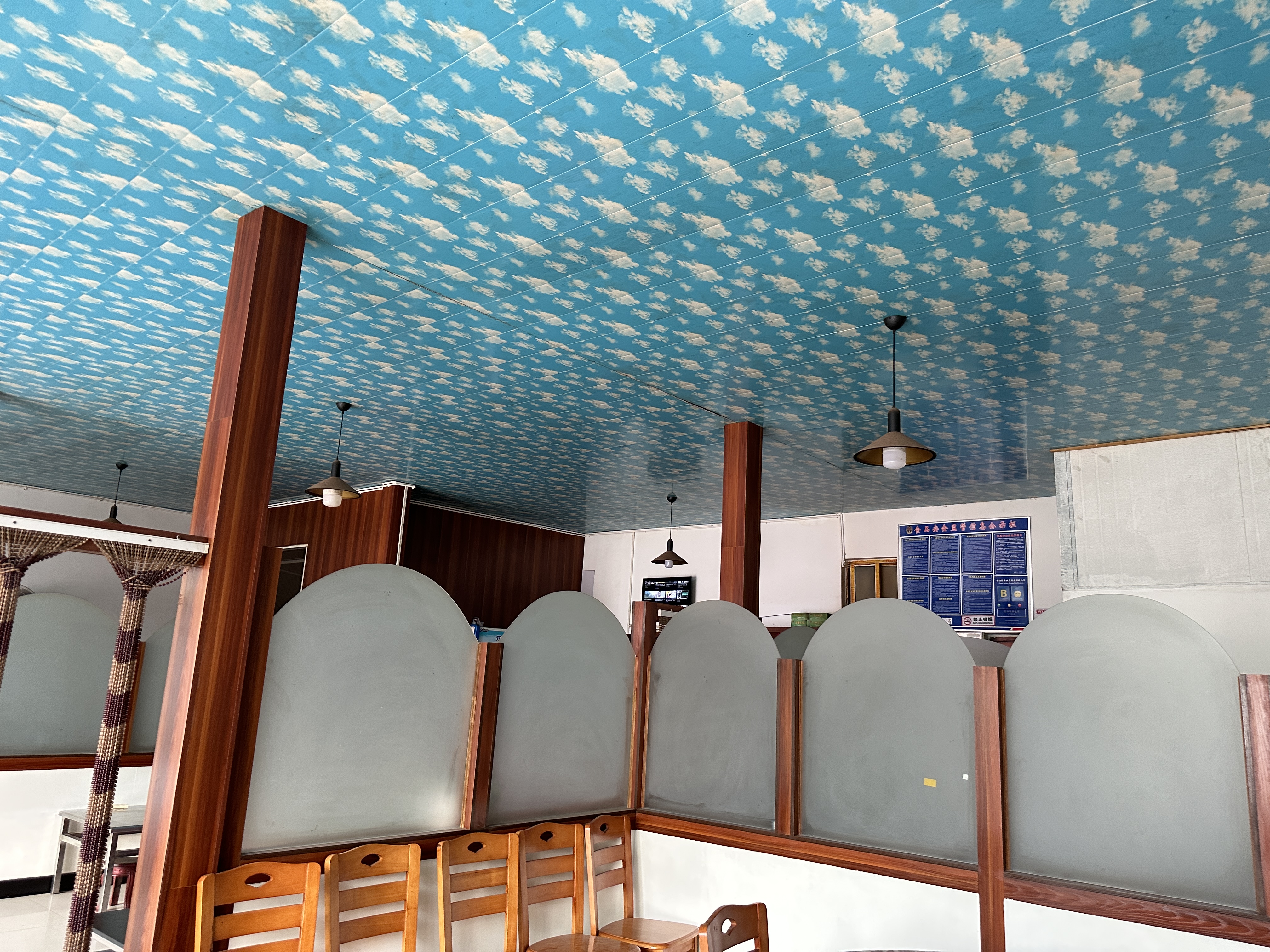
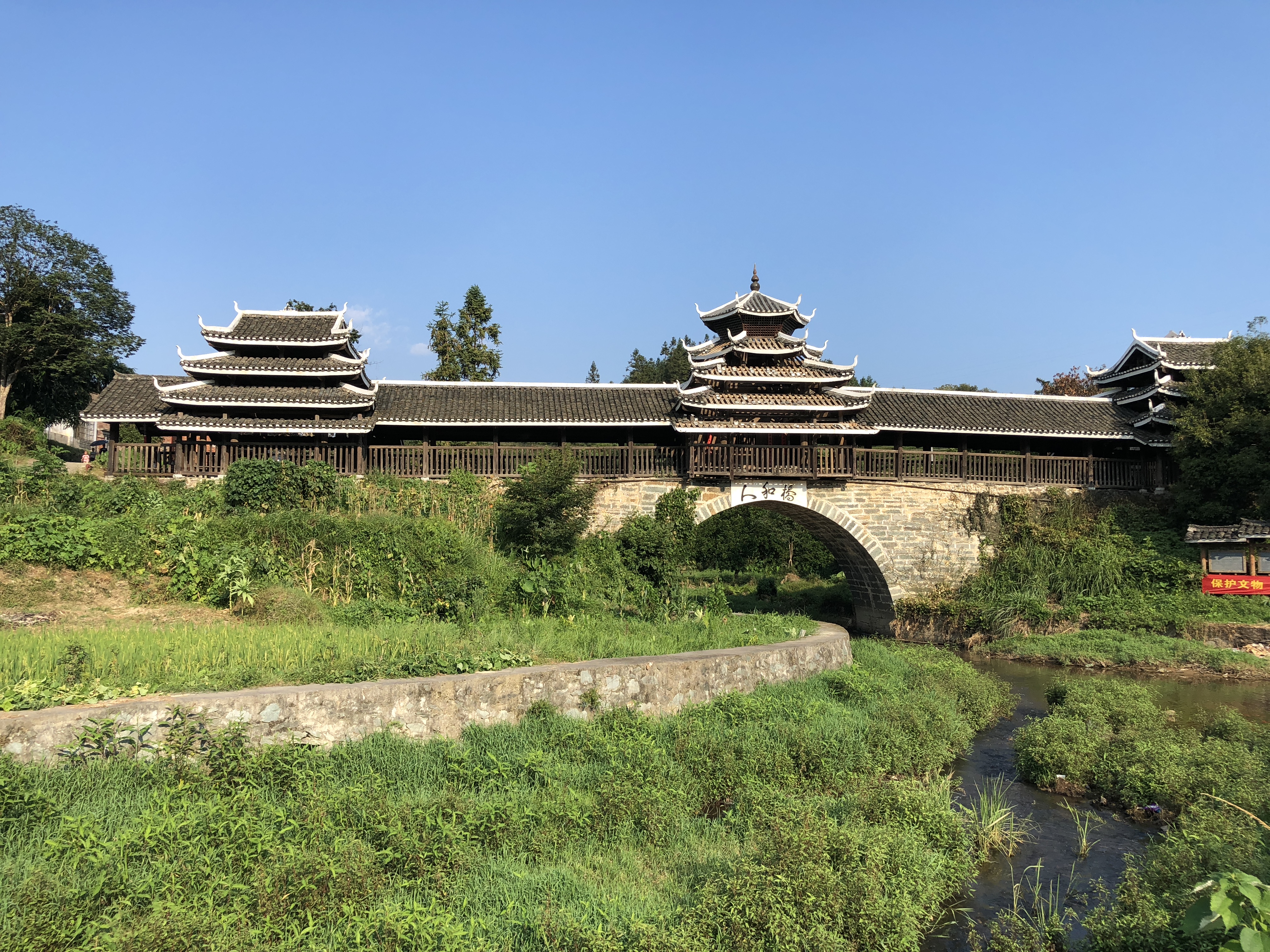
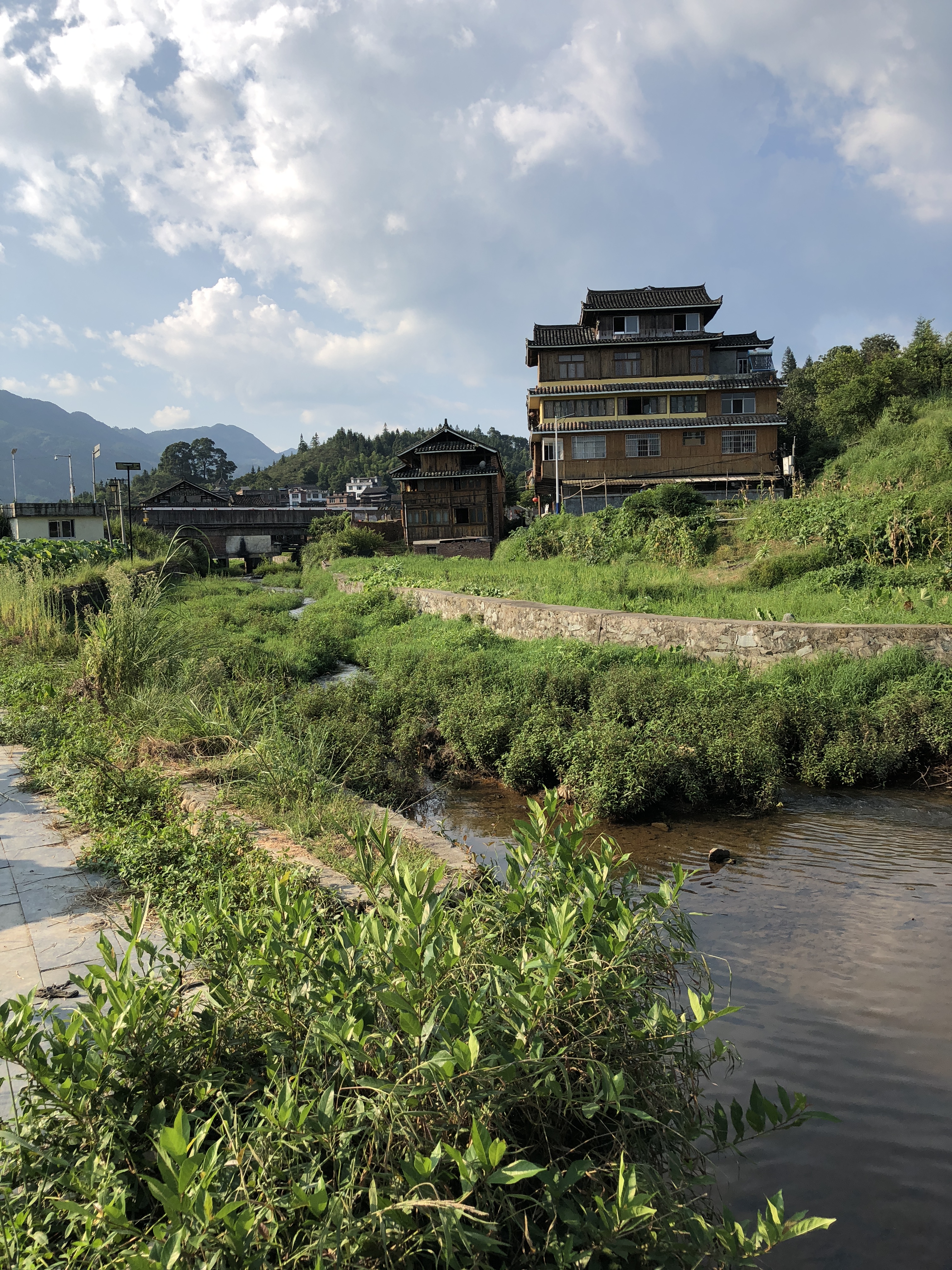
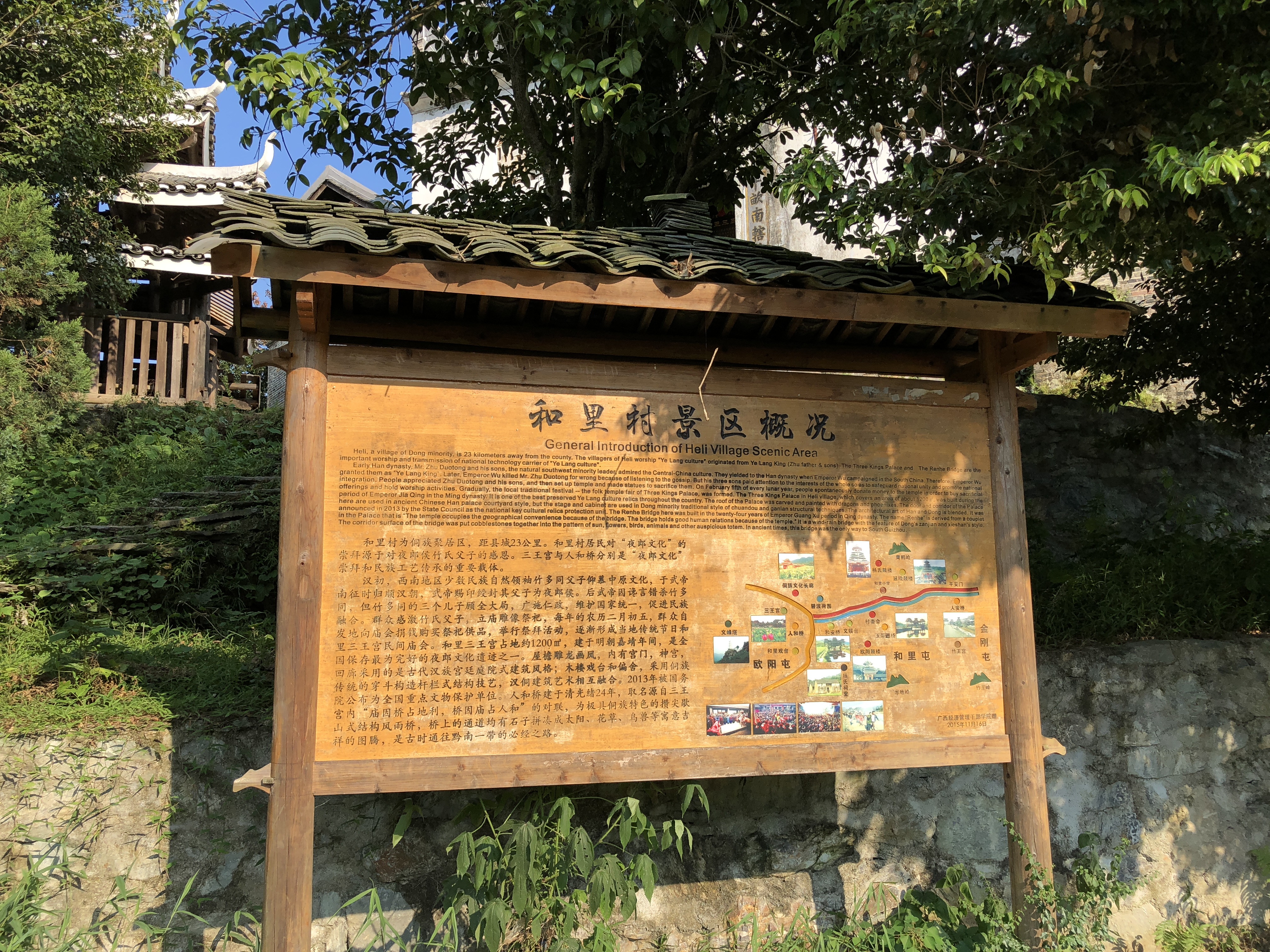
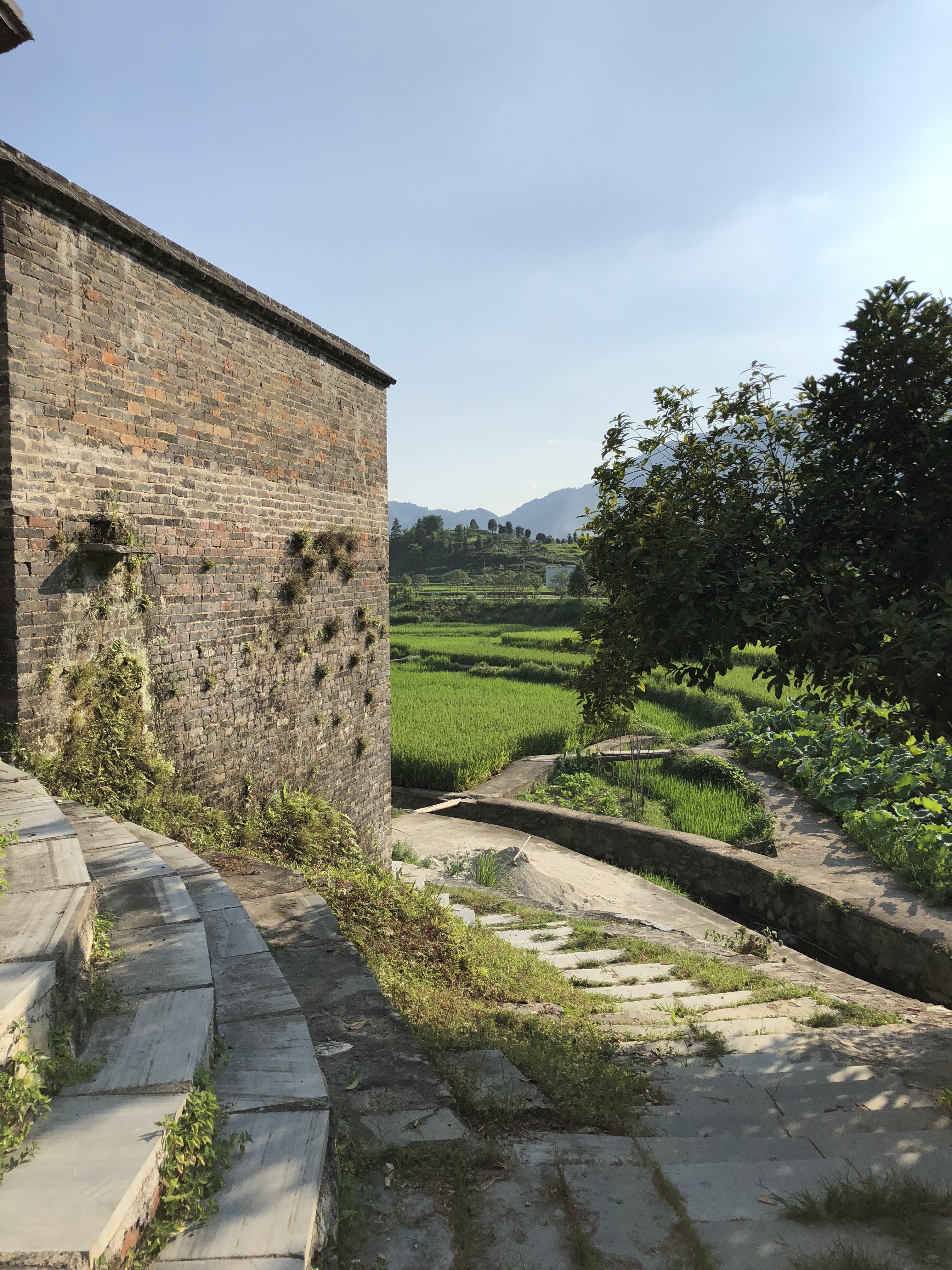
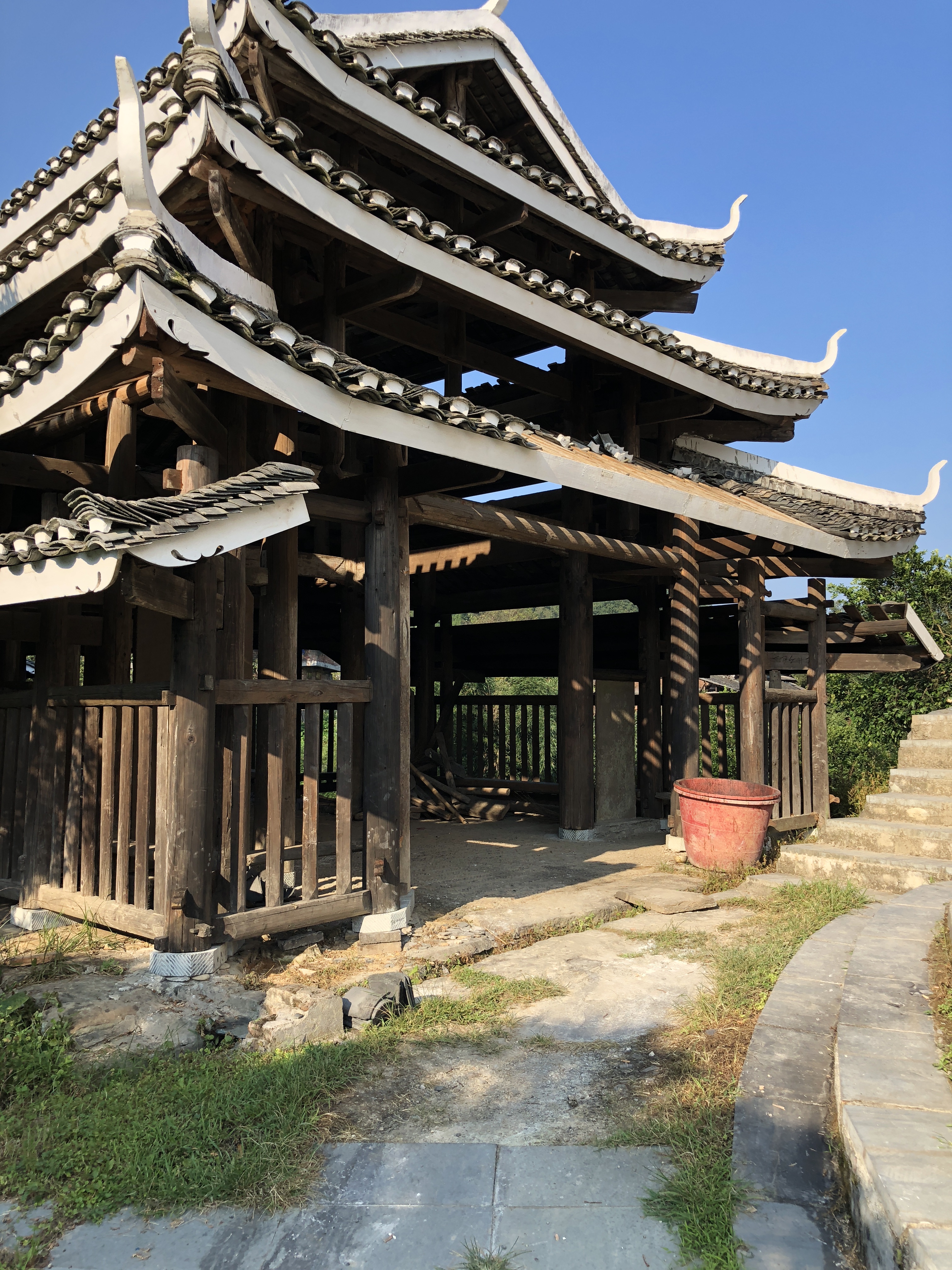
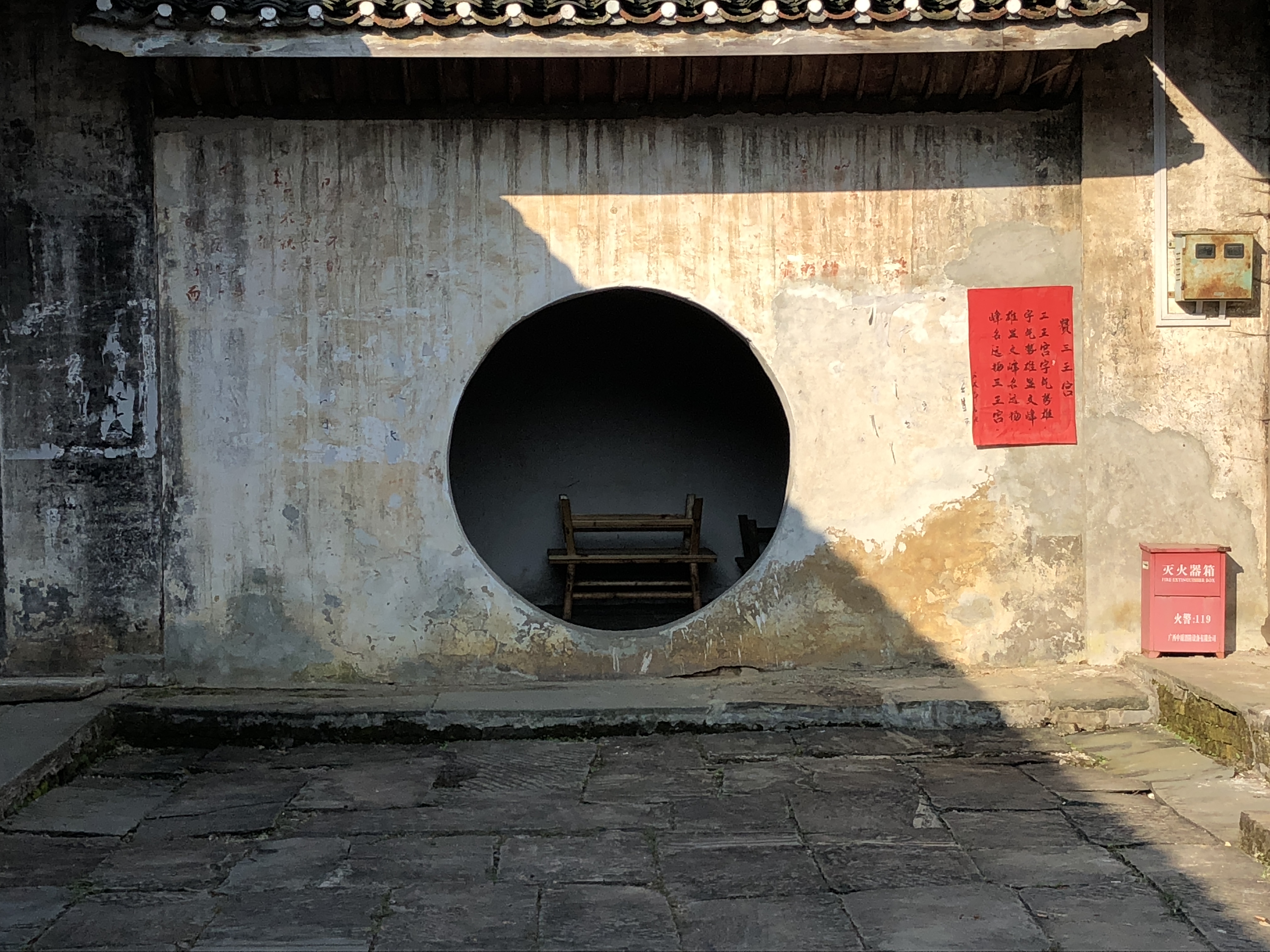
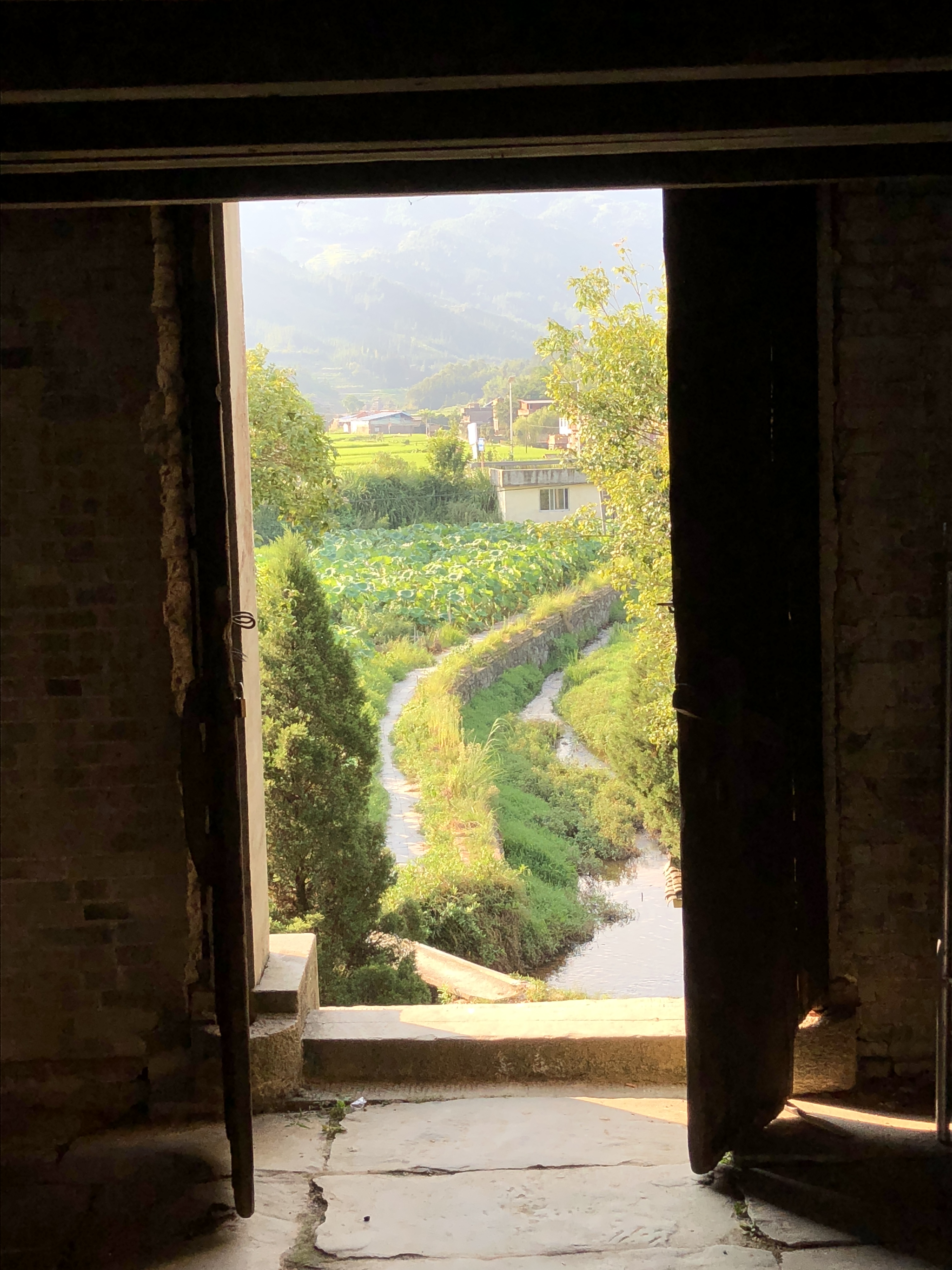
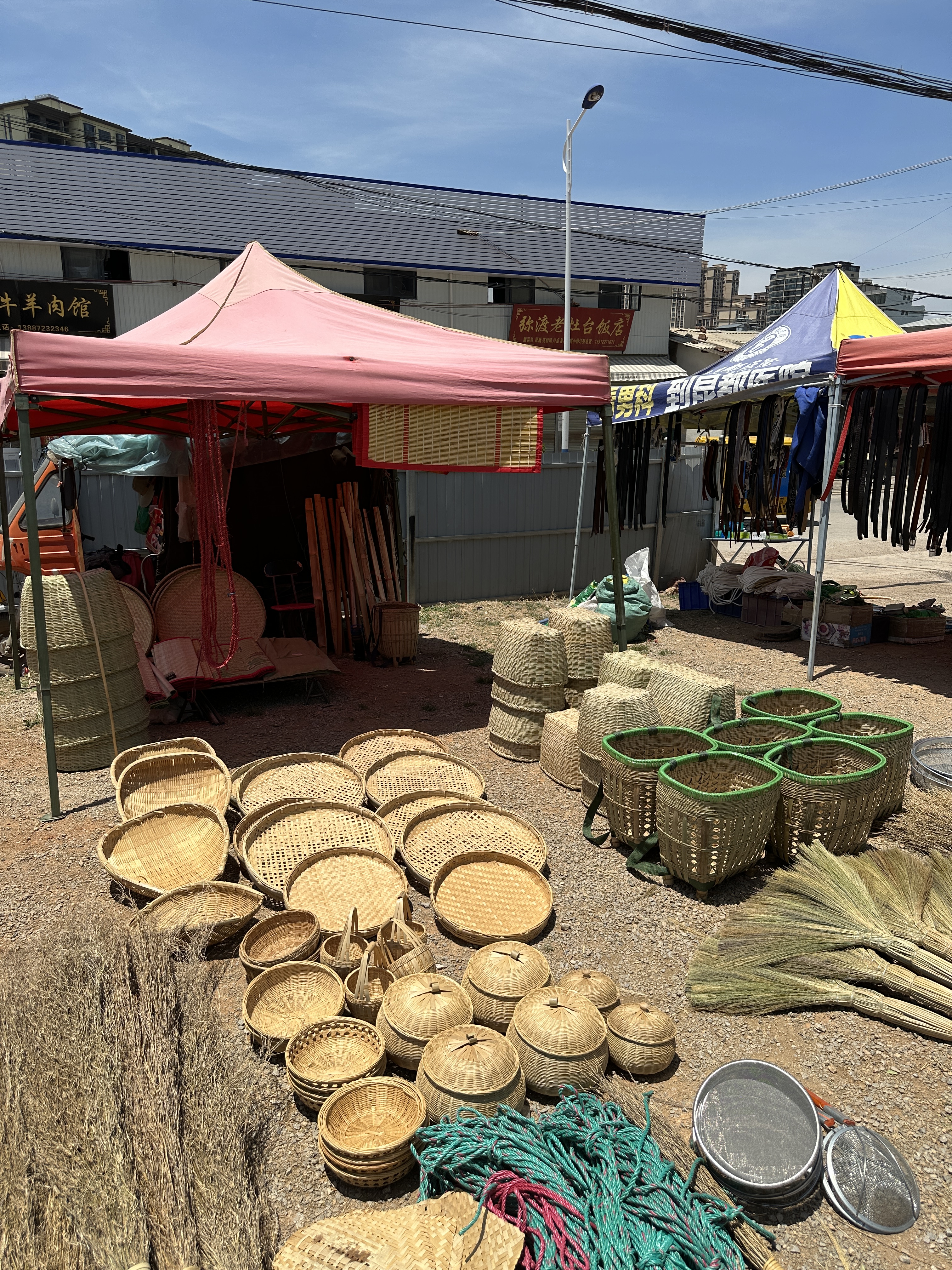
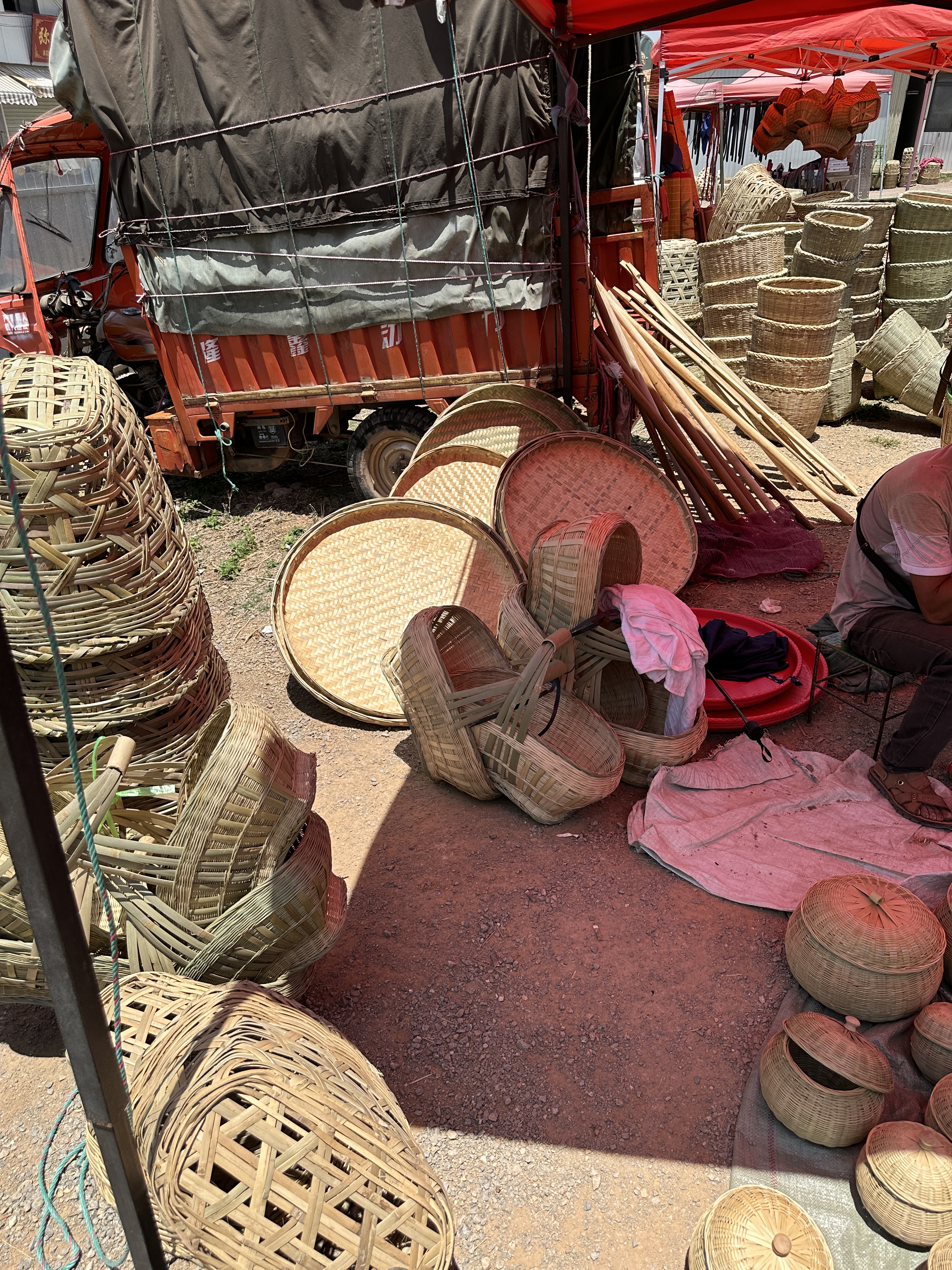
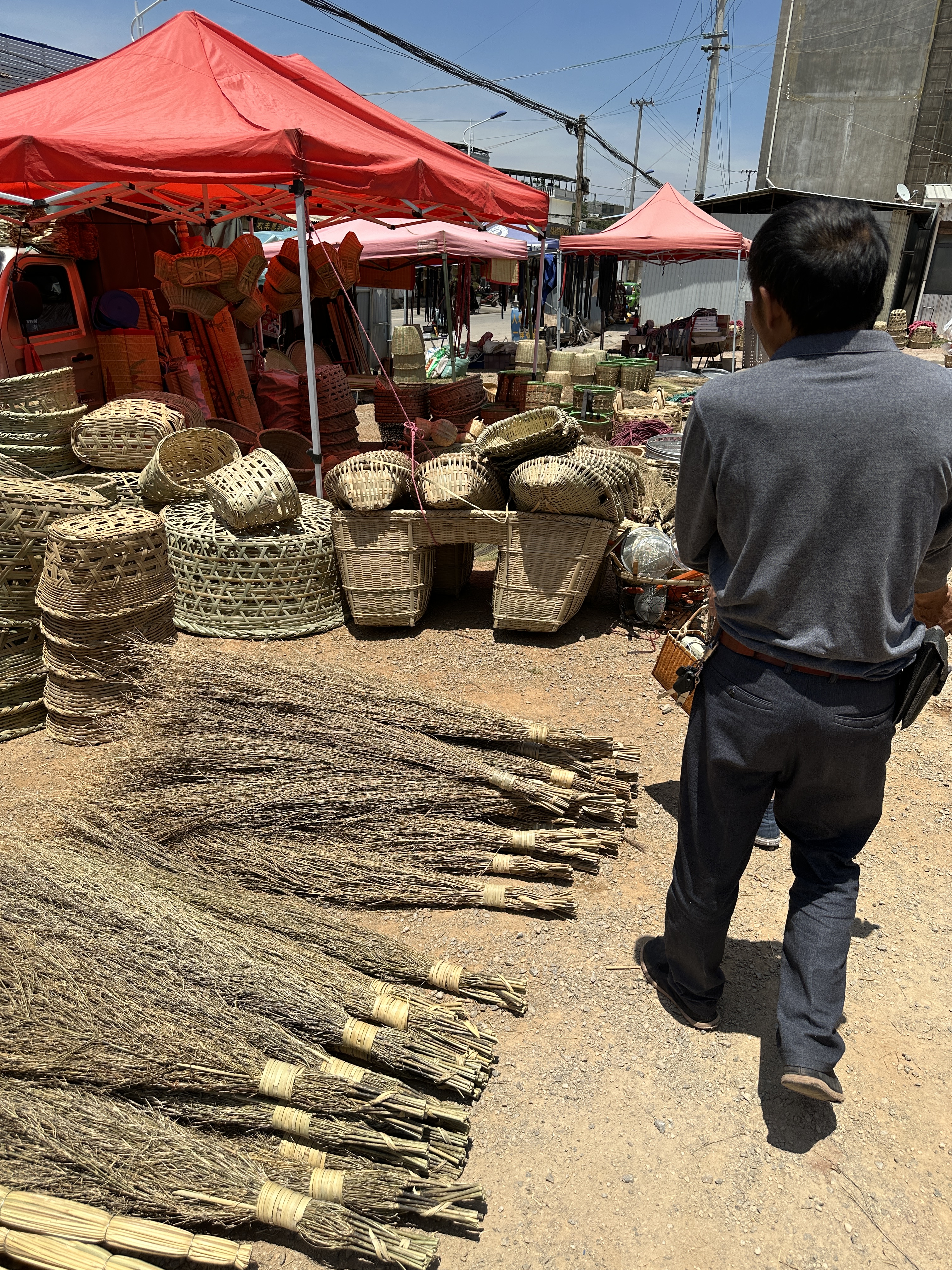
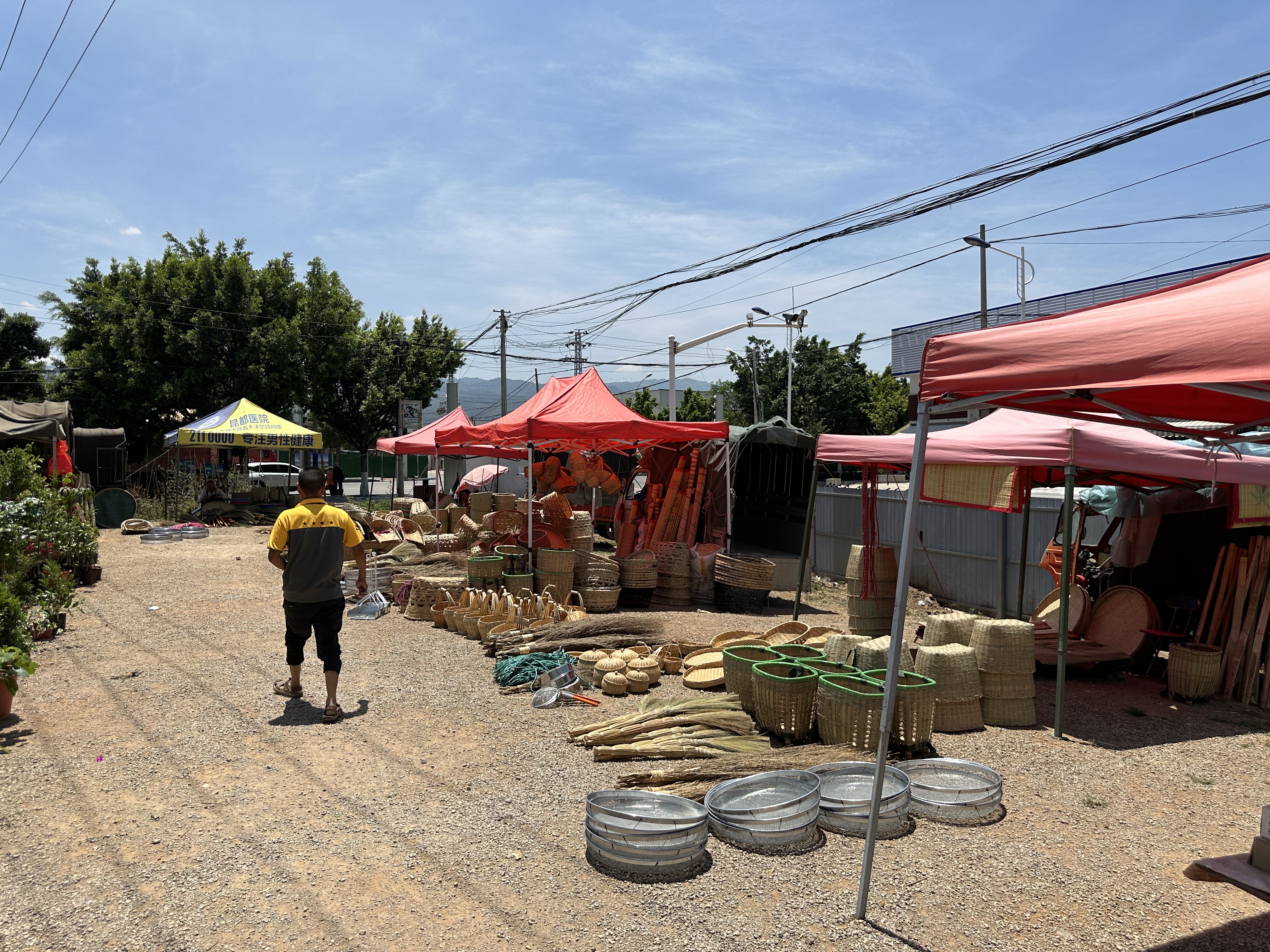
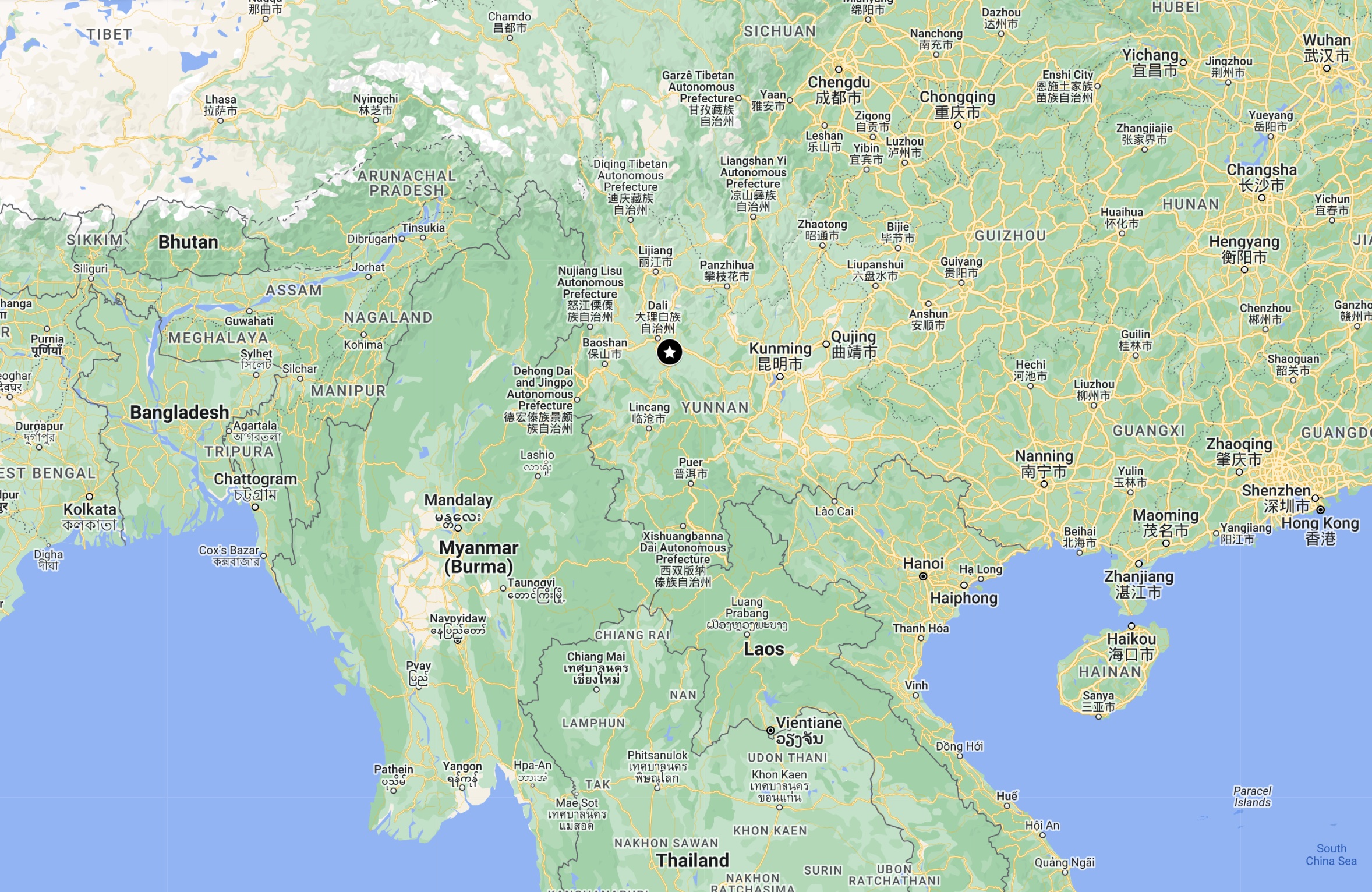
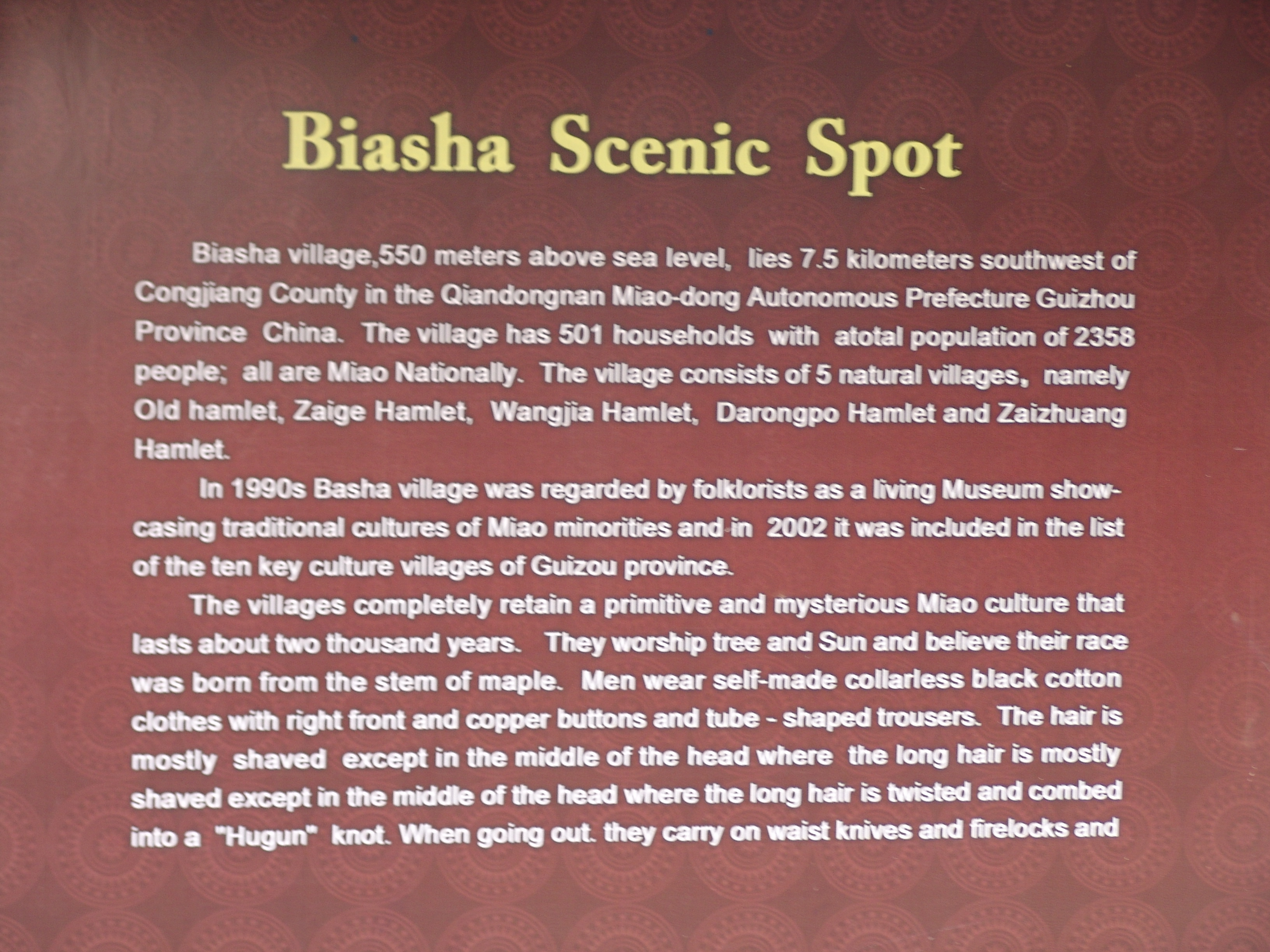
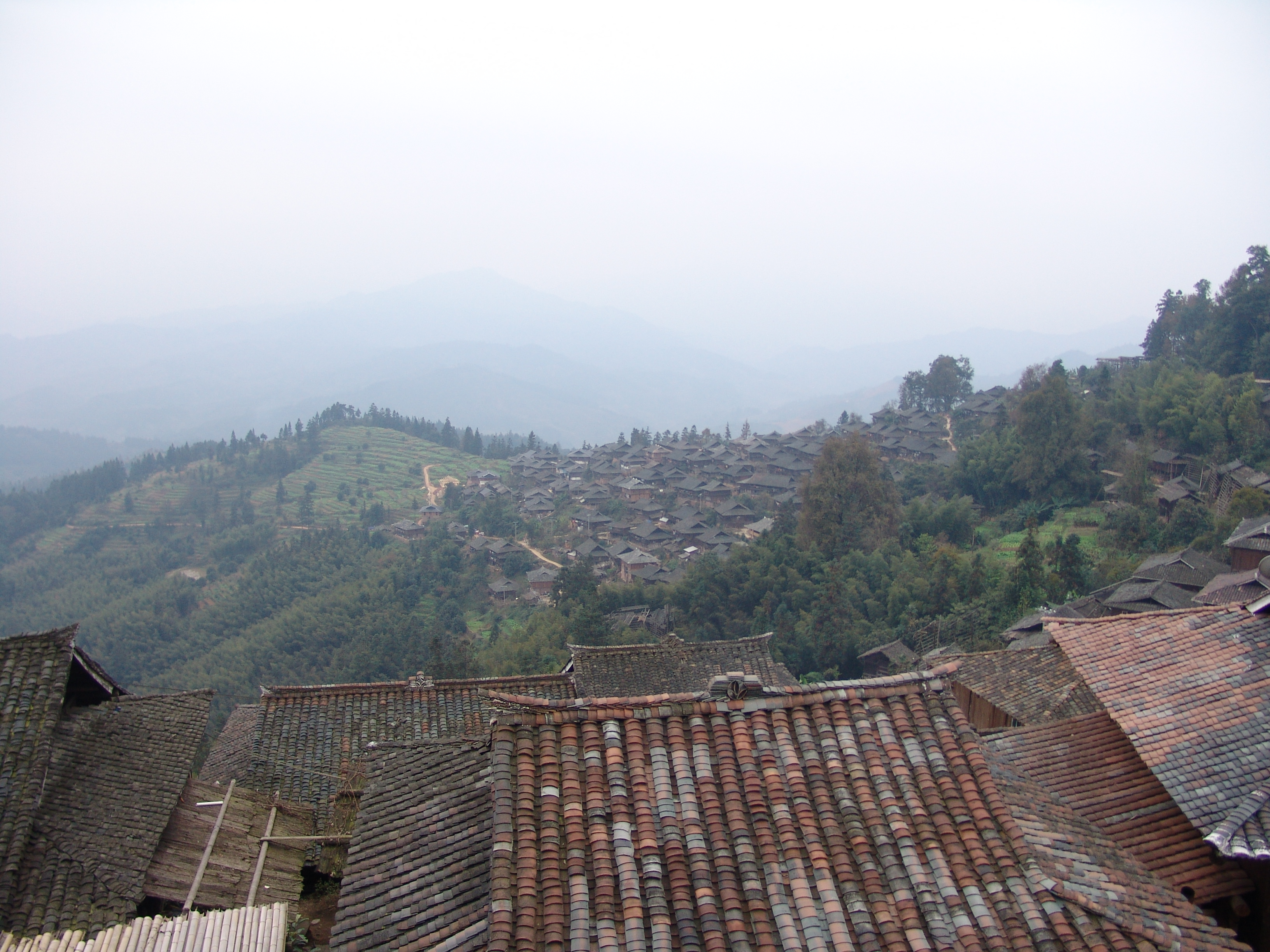
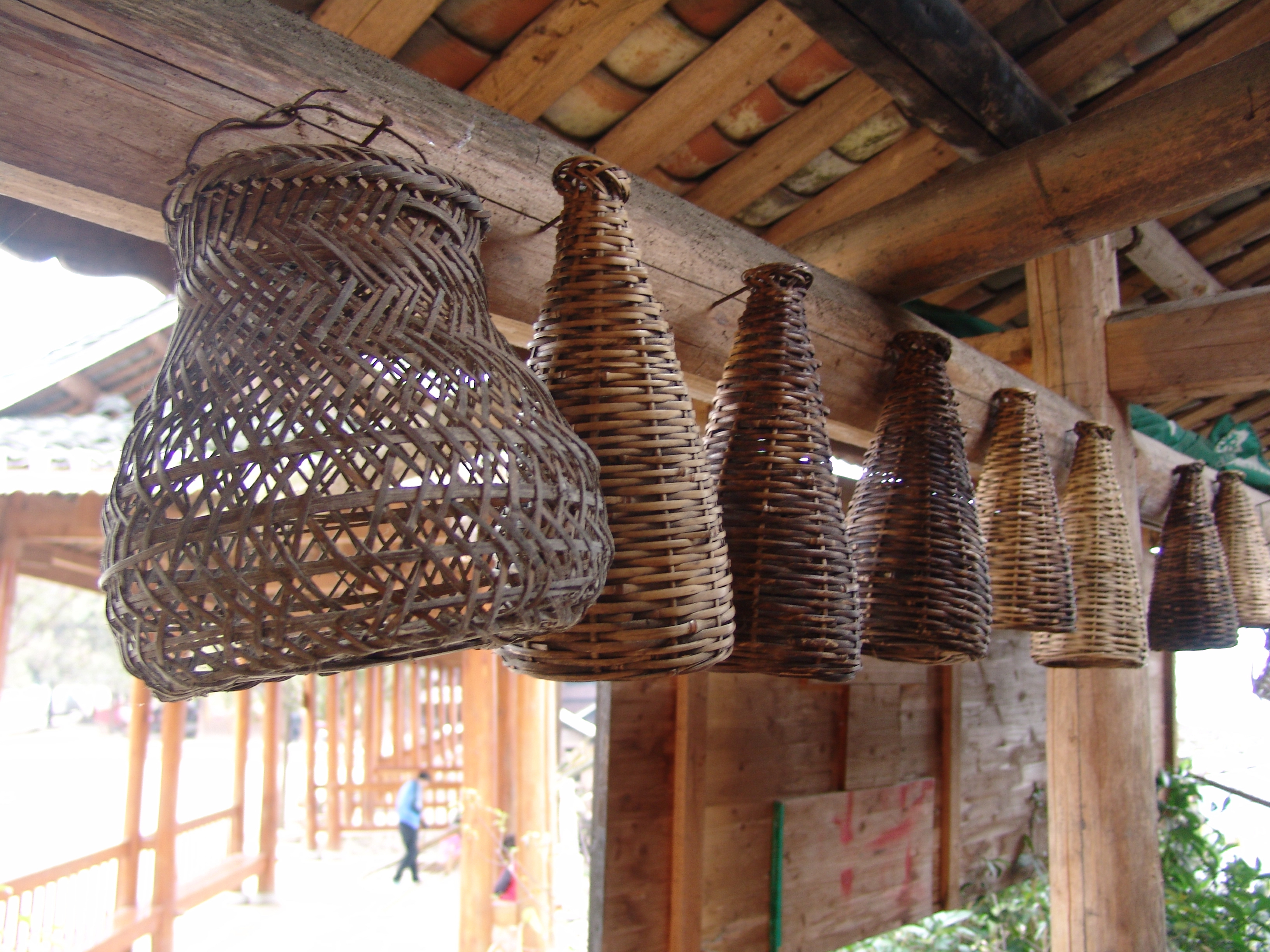
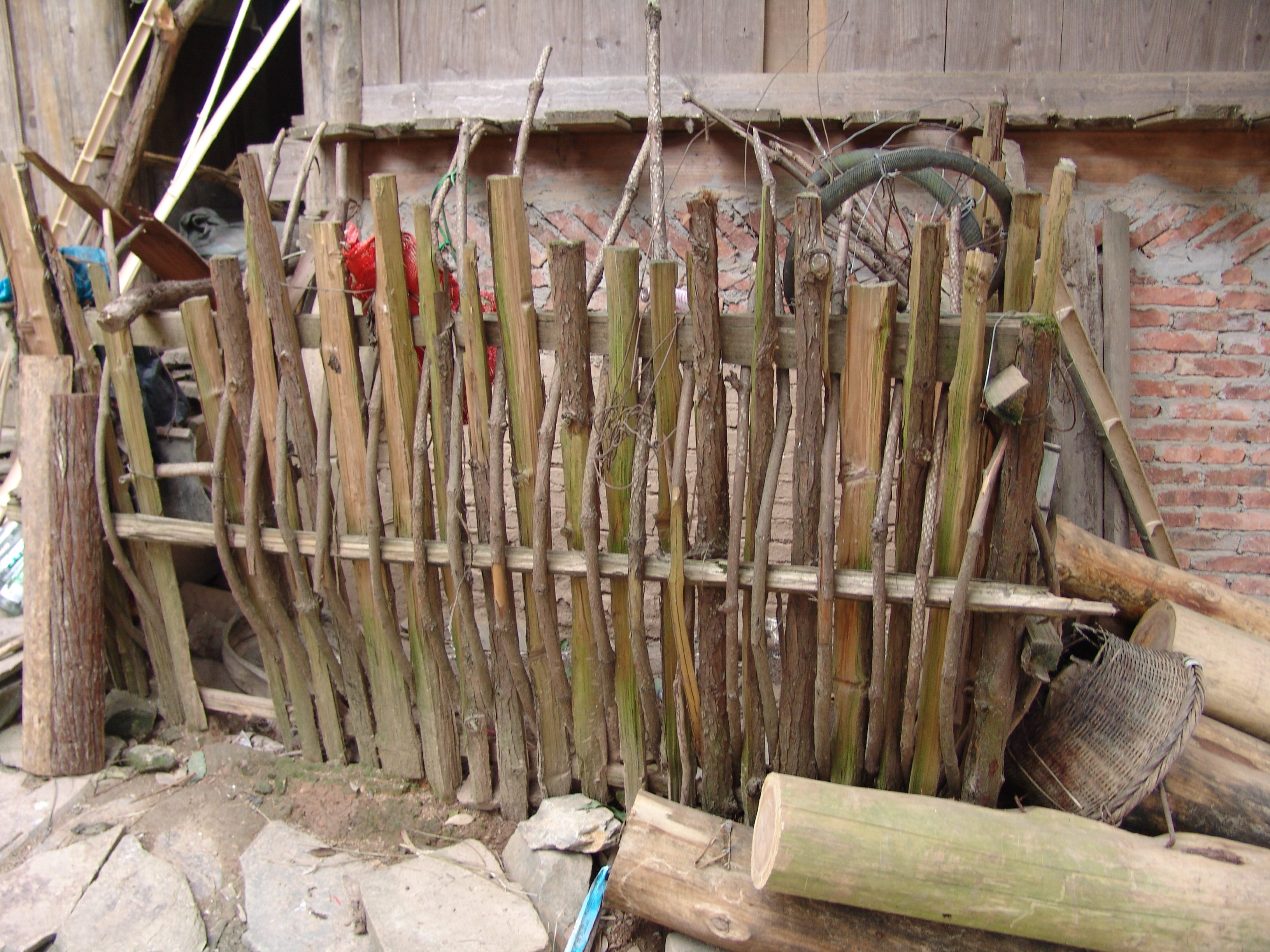
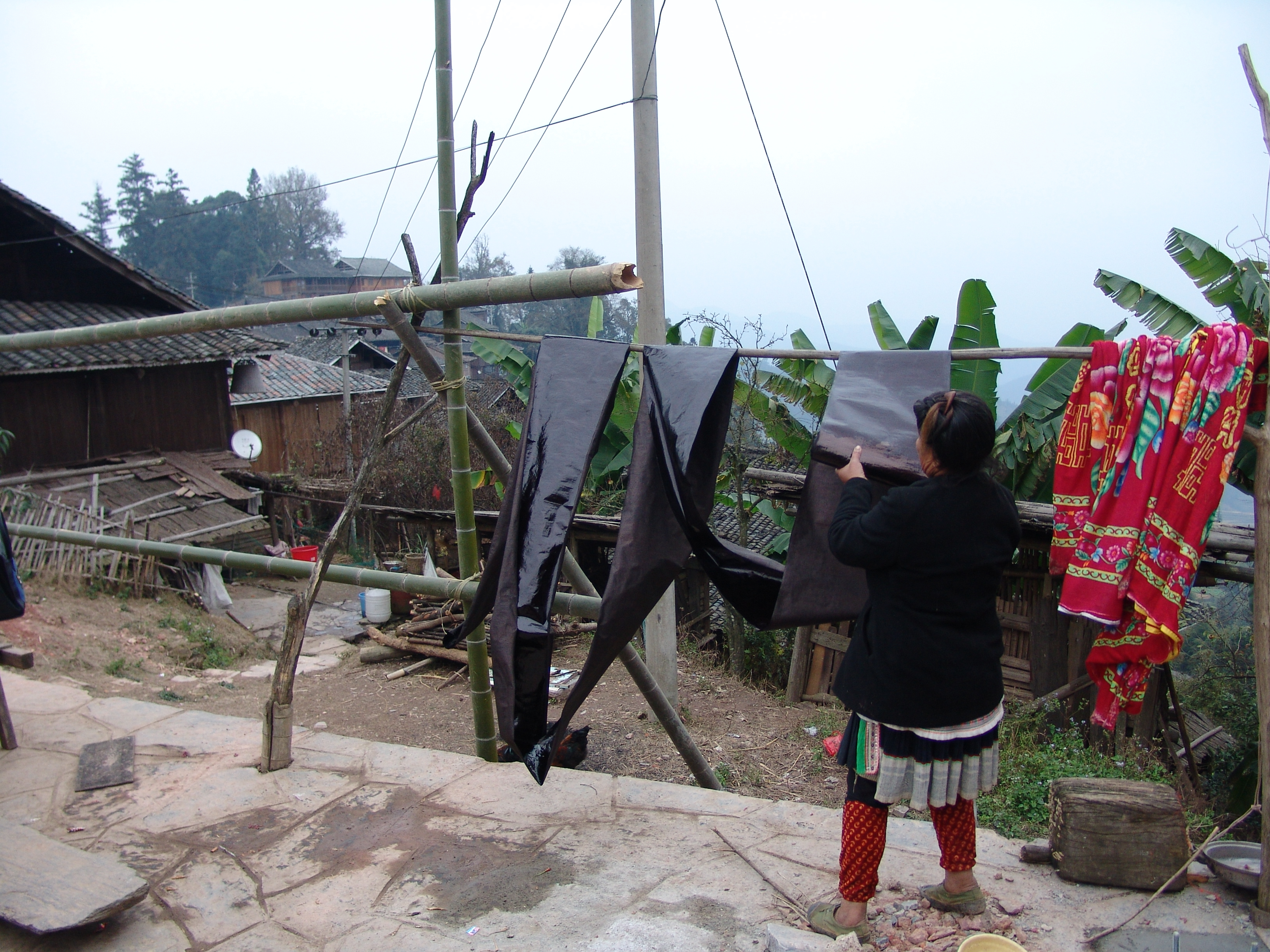
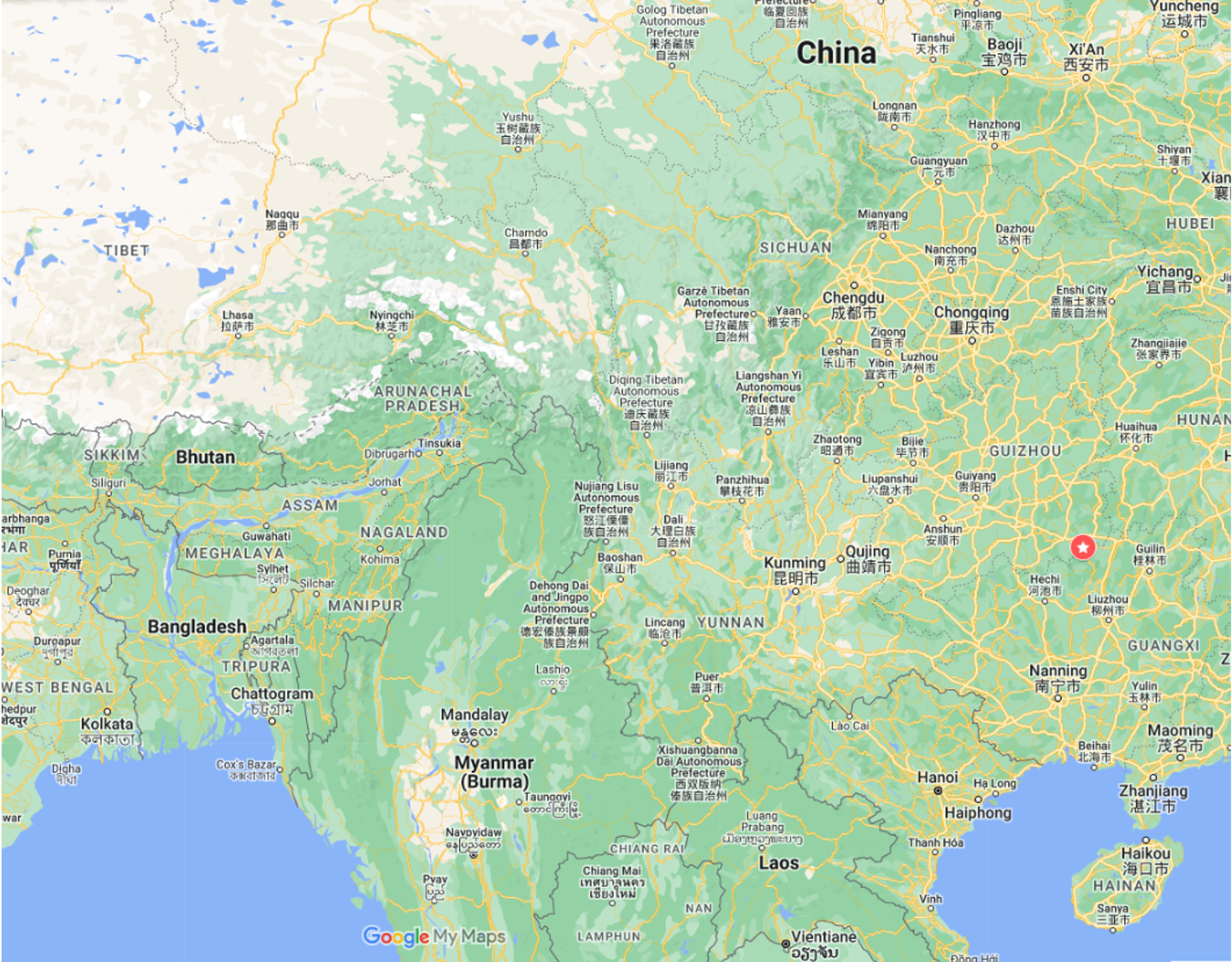
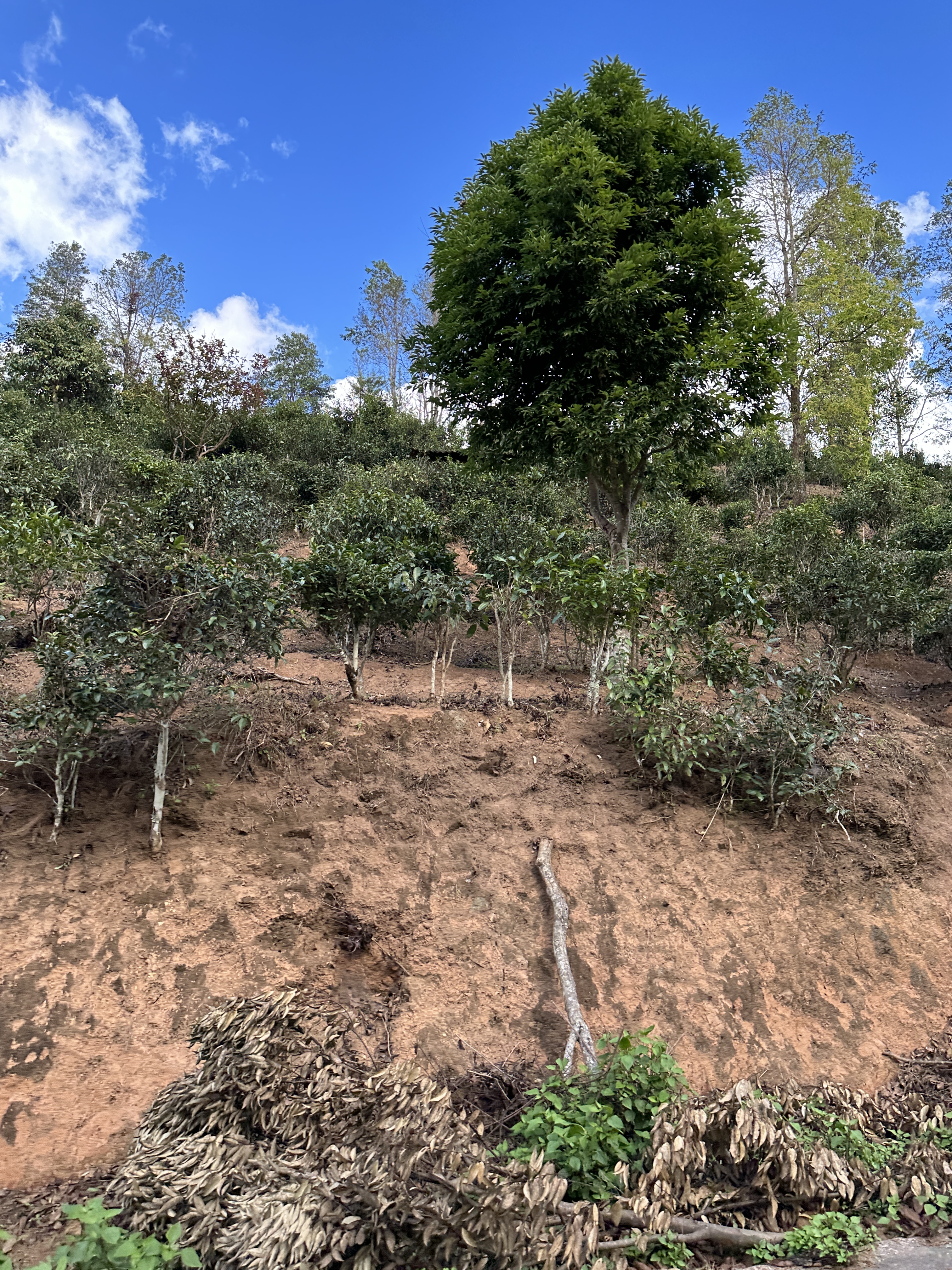
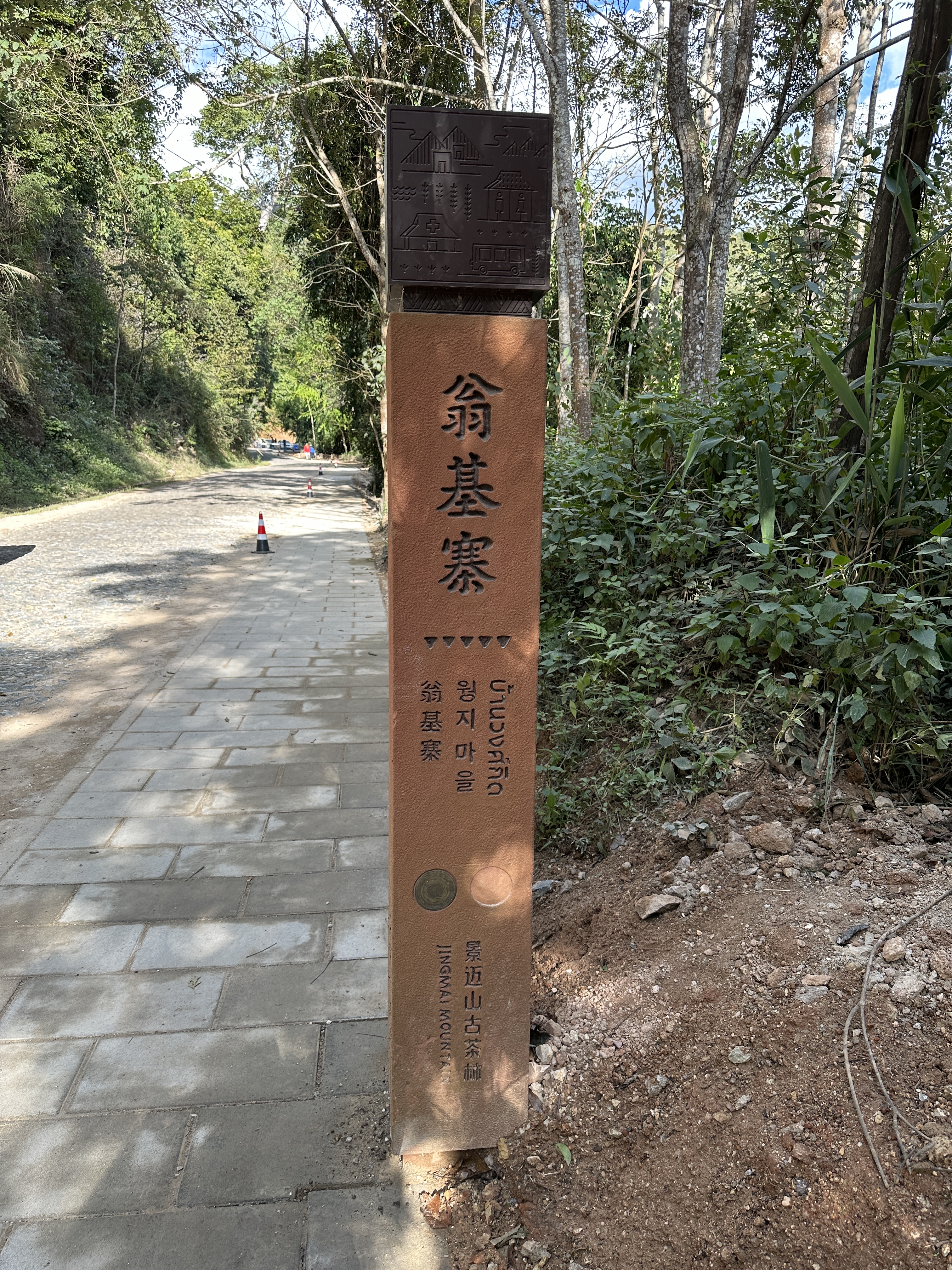
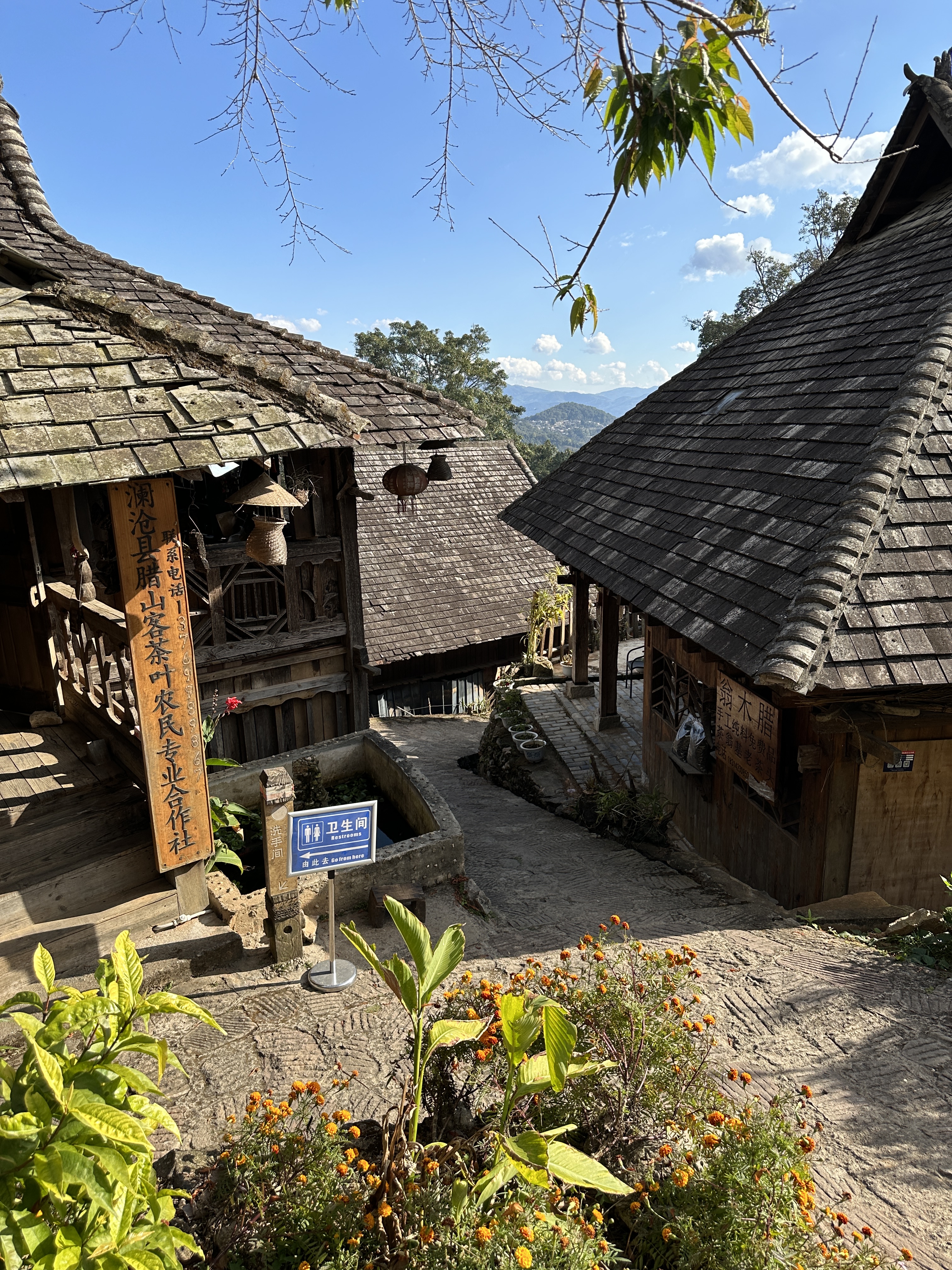
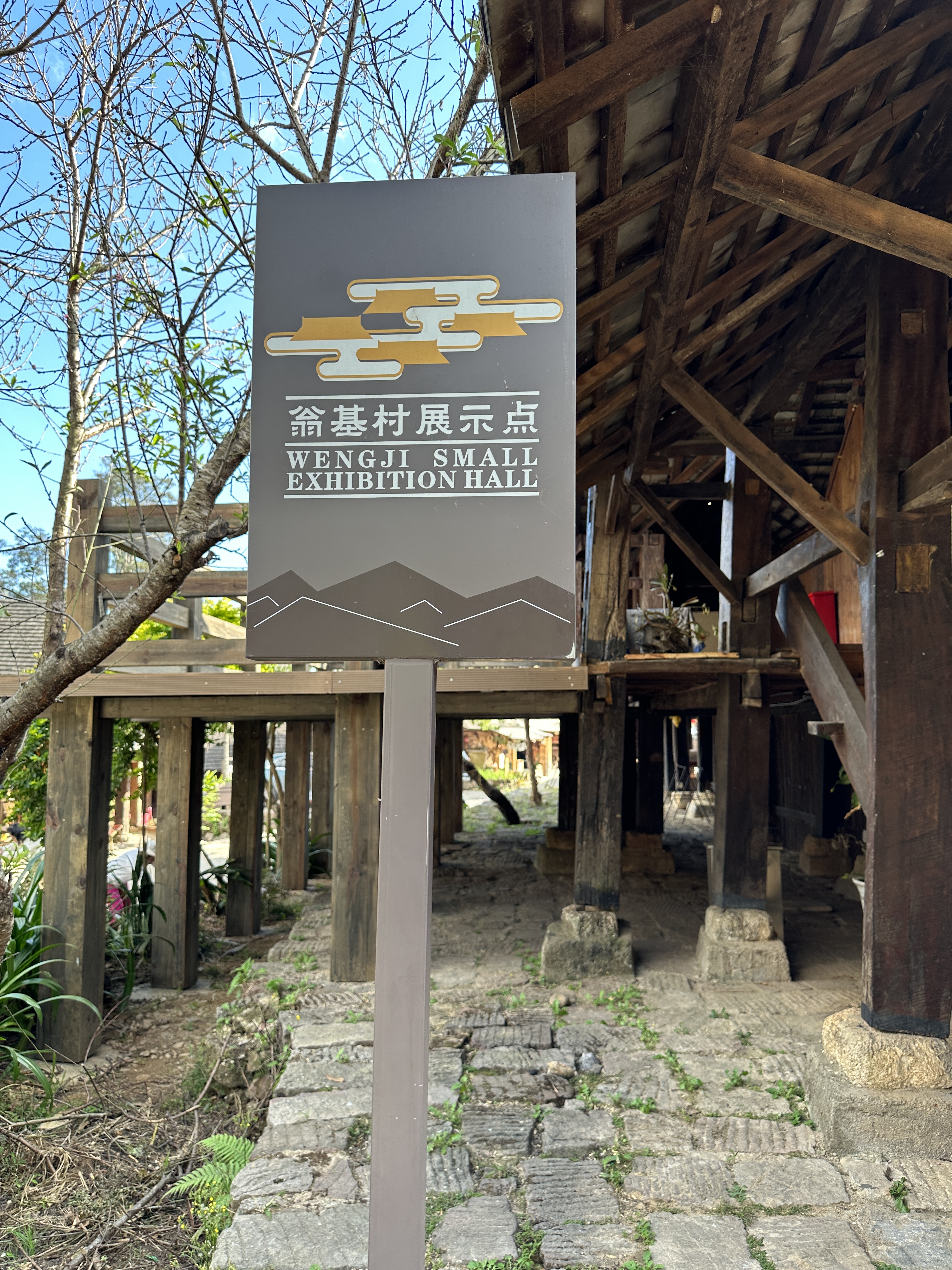
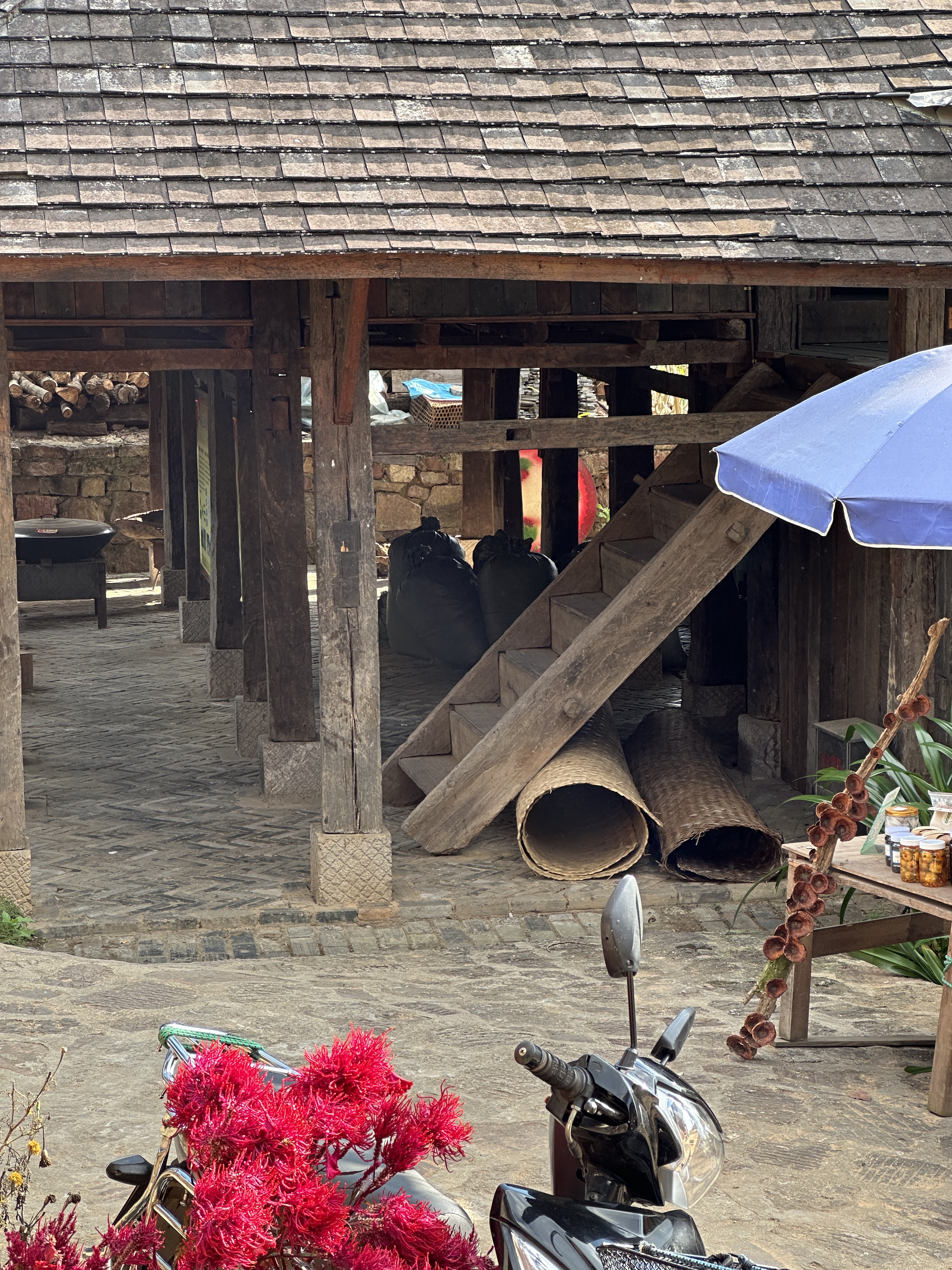
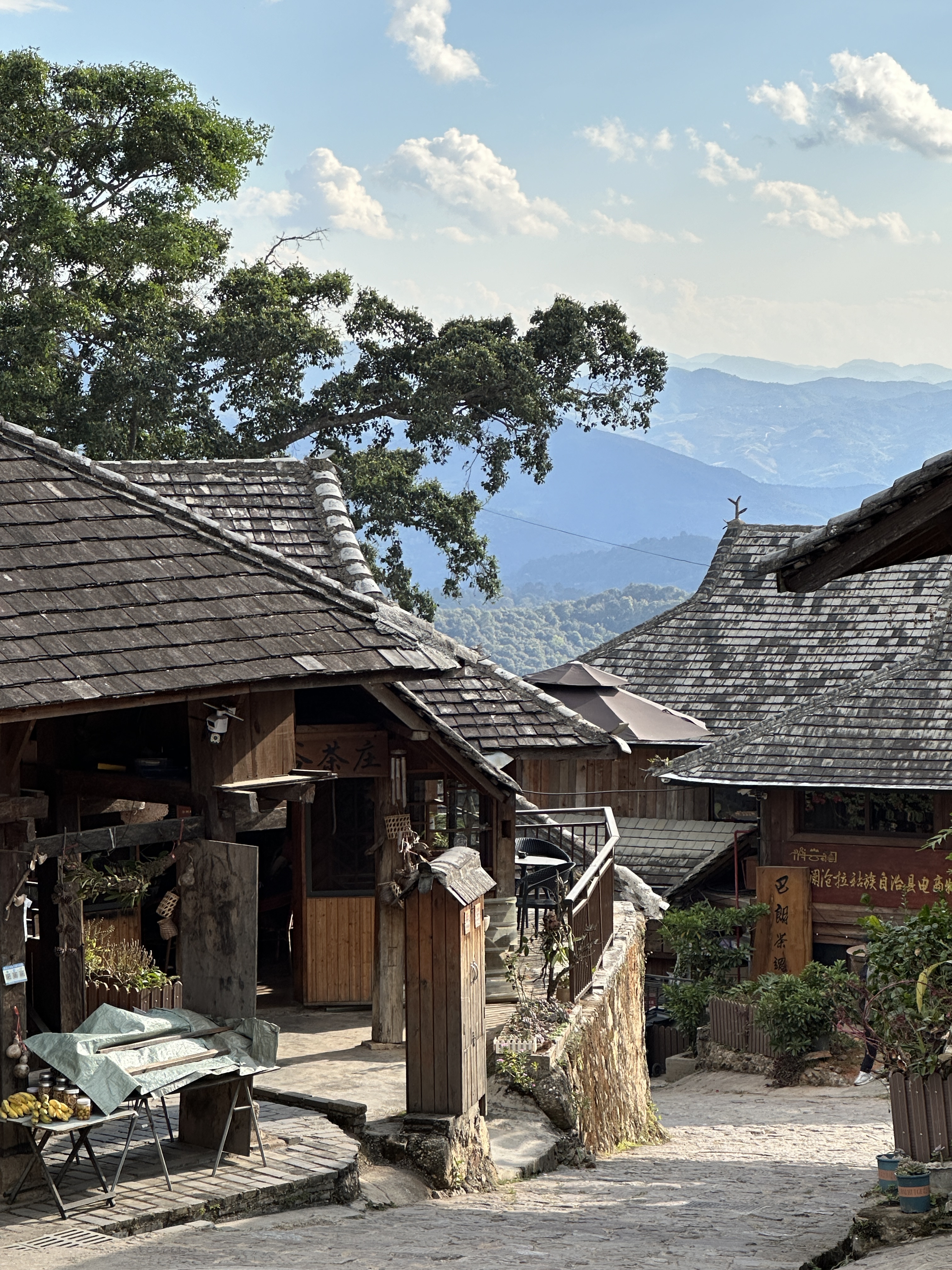
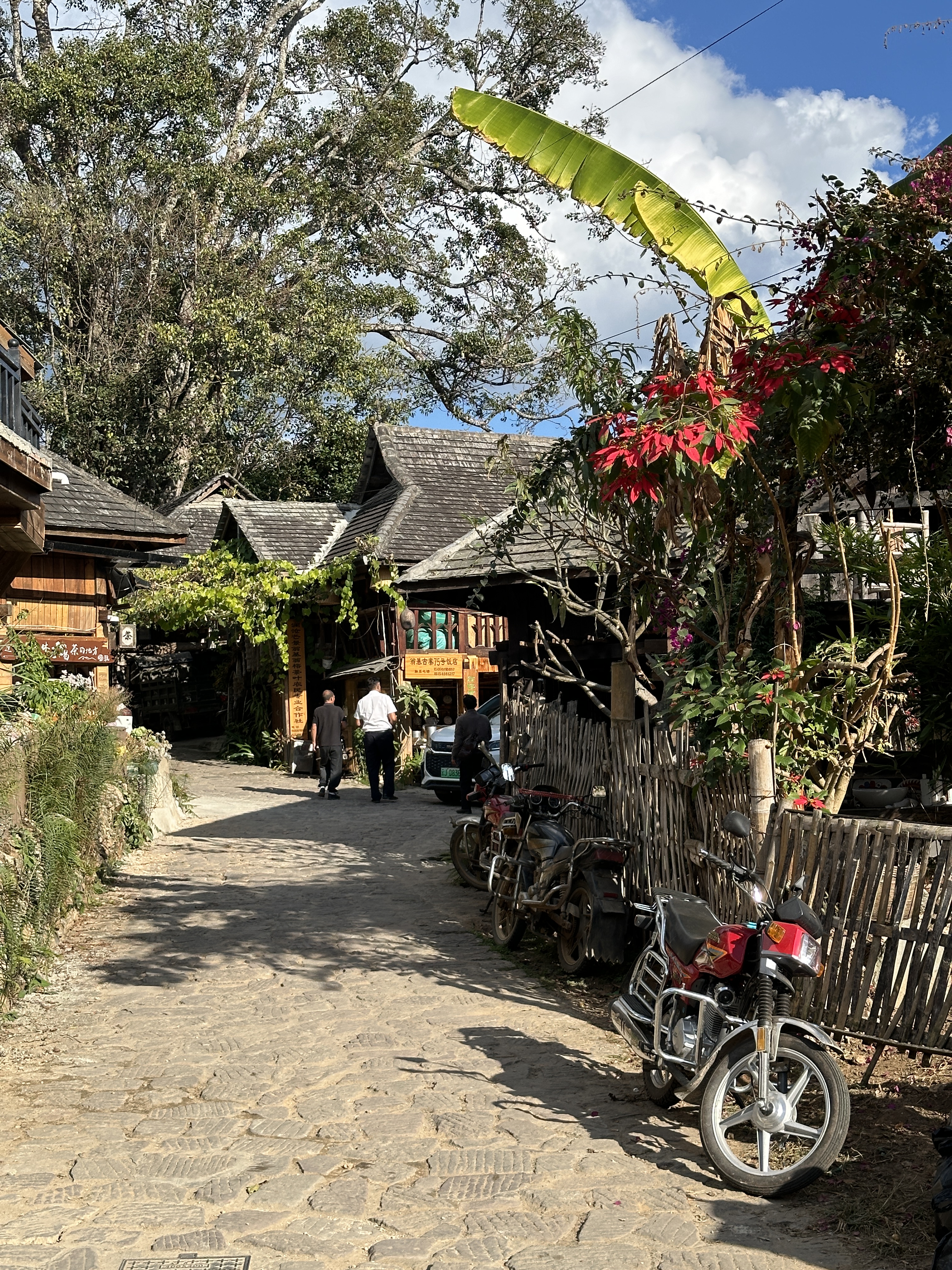
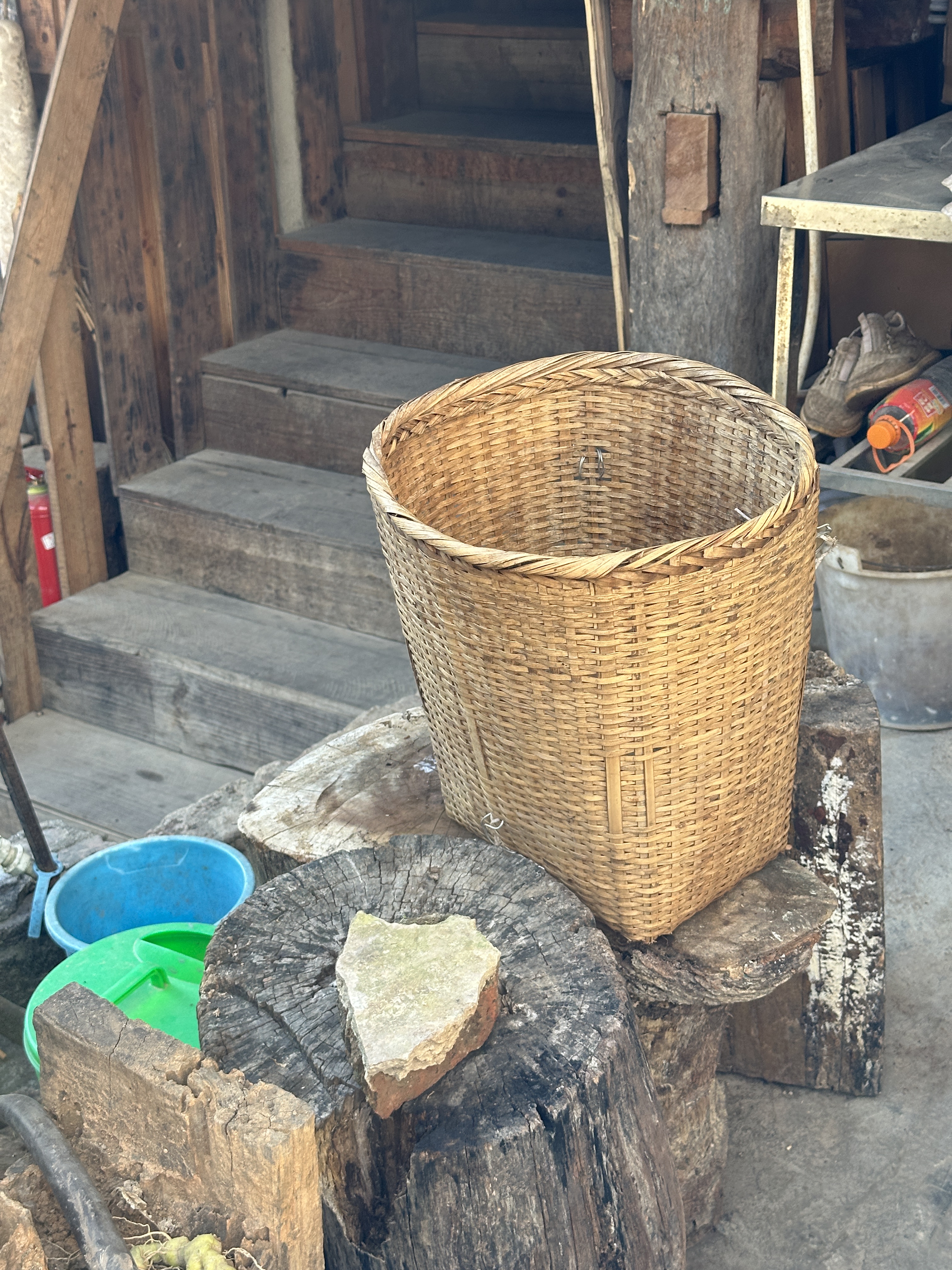
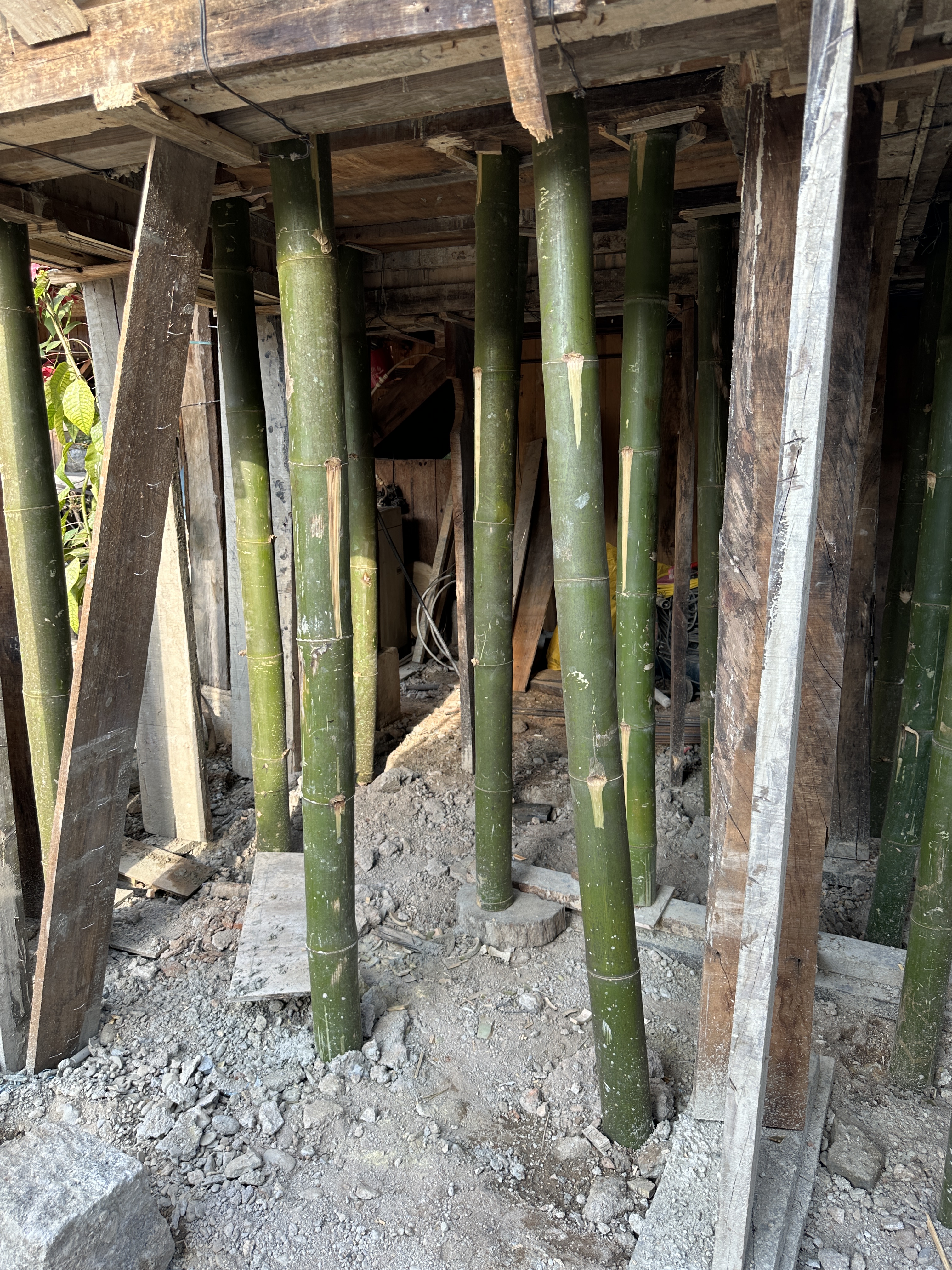
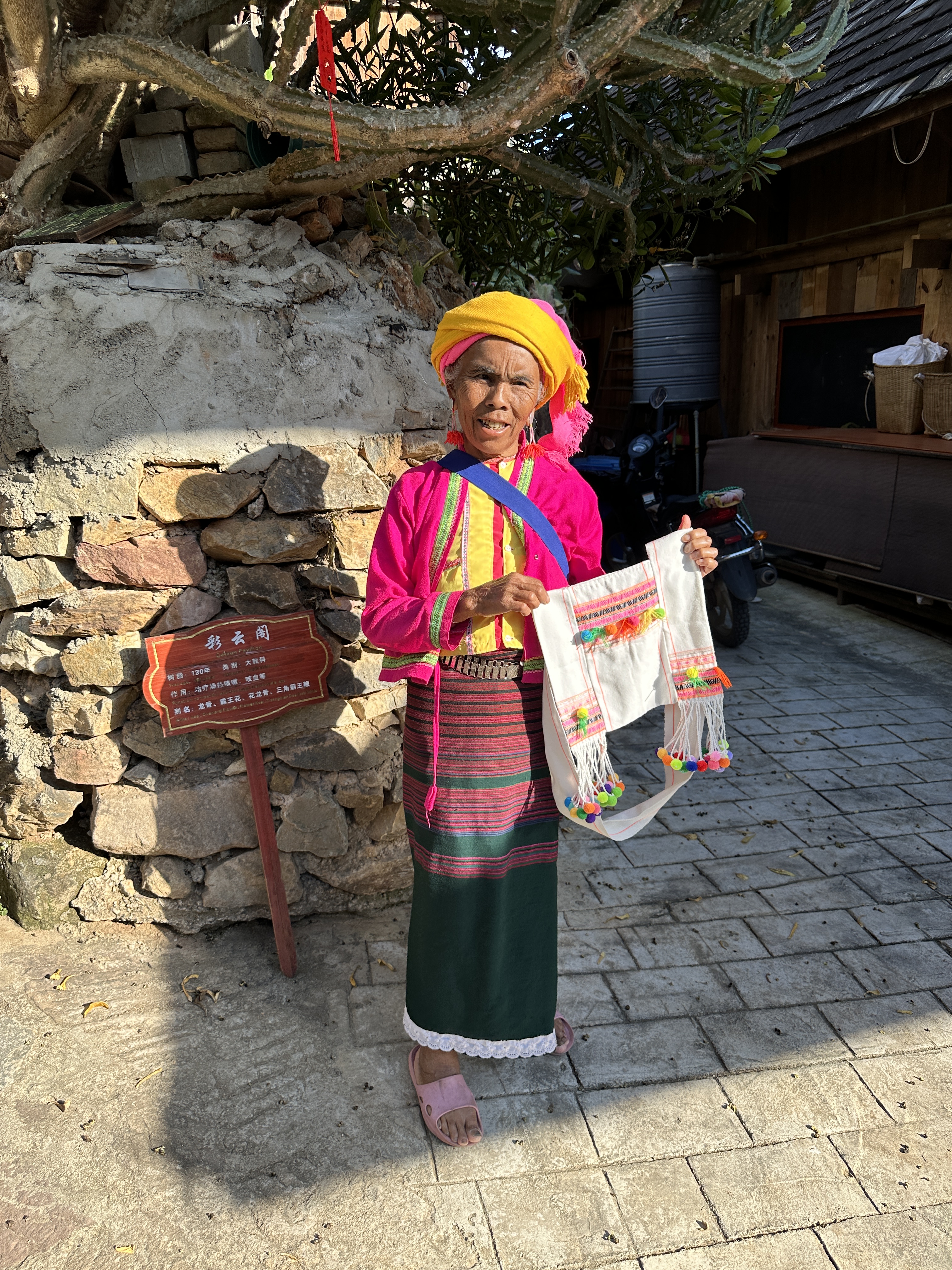
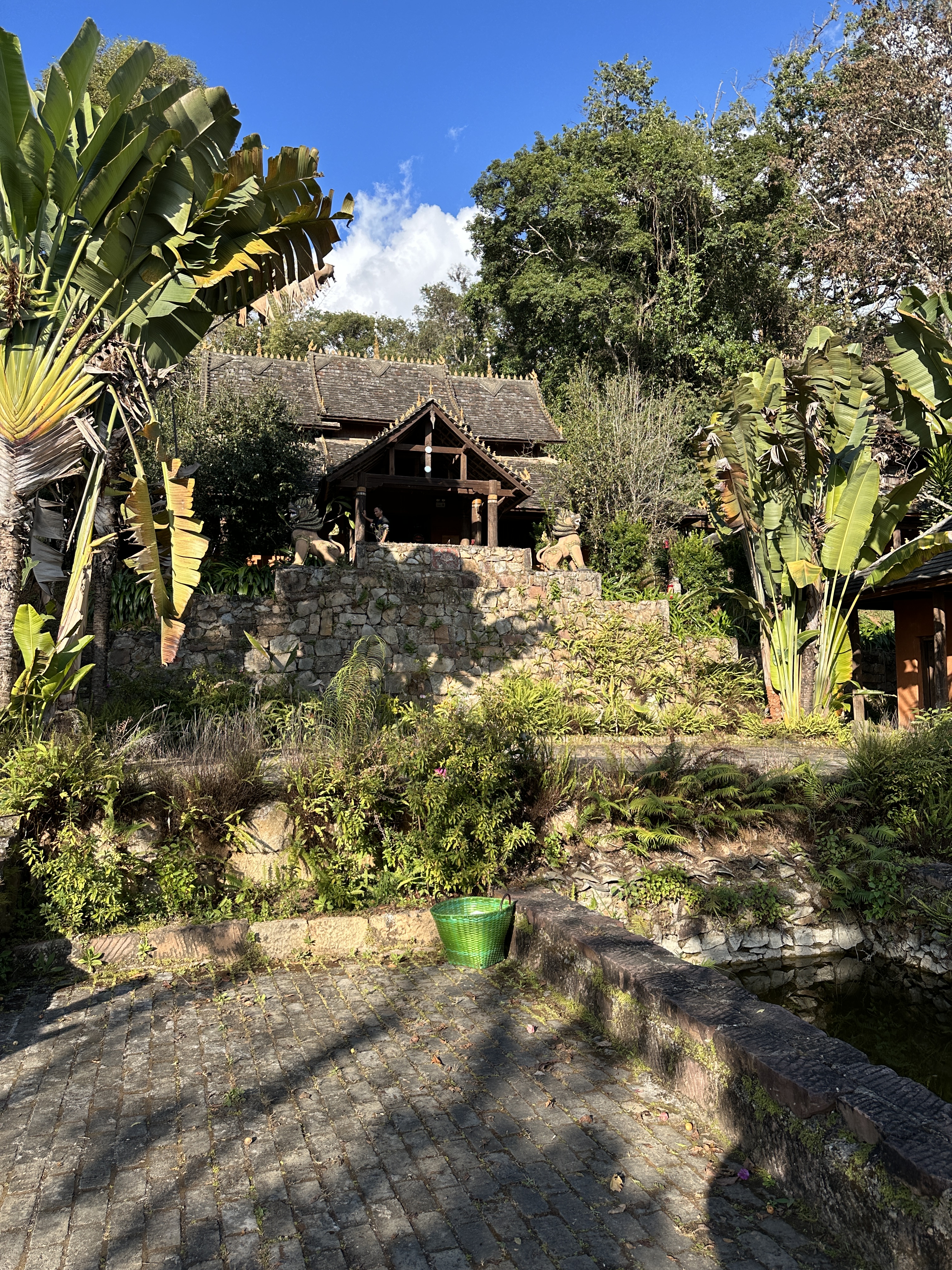
[Hani Culture Park,] Nannuoshan [Hani Administrative] Village, Gelanghe Hani Ethnic Township, Menghai County, Xishuangbanna Dai Autonomous Prefecture, Yunnan, China.
Visited December 26, 2023.
This is the sixth post in the series: Villages and Towns of the Southeast Asian Massif.
Approximately: 21° 57′ 34.77″ N, 100° 36′ 1.398″ E
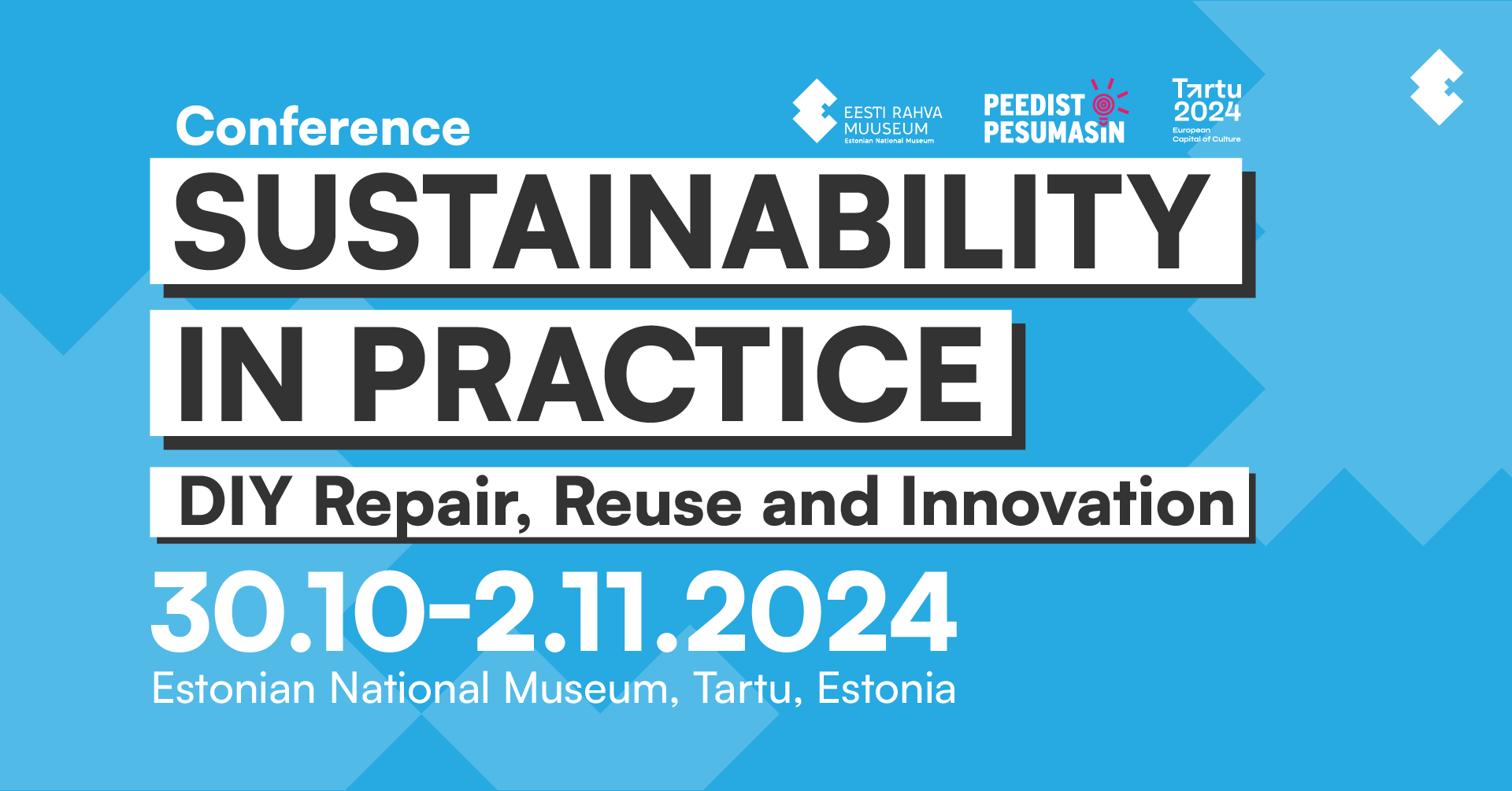
Check out this call for papers for an promising meeting to be held at the Estonian National Museum in Tartu.
Conference call for papers
Sustainability in Practice: DIY Repair, Reuse and Innovation 30 October – 2 November 2024 Estonian National Museum, Tartu, Estonia
This conference addresses ecological sustainability through do it yourself (DIY) practices, and through consumer behaviour. The focus on DIY repair, reuse and vernacular innovation seeks to examine sustainability in the context of everyday life and domestic and community settings. By bringing together ethnological, anthropological, sociological and craft studies perspectives, the conference aims to show and discuss contemporary, traditional and vernacular sustainable practices.
Repair, reuse and repurpose of diverse commodities and materials, and vernacular innovation, are today increasingly perceived as part of sustainable consumption culture. However, the role and meaning of these practices have changed over time, depending on social, economic and political environments. Facing the global climate crisis, we are looking for lessons from the past and present for more sustainable and resilient ways of life.
We invite presentations, workshops and documentaries that explore various forms of DIY practice, solution, innovation and material culture related to sustainability in a variety of settings and regions. Apart from academics, experts from memory institutions and craft scholars, this conference also invites activists, craftsmen and designers to share their experience and knowledge.
See the conference call for papers.
The conference is being organised by the Estonian National Museum in collaboration with the Washing Machine Made of Beetroot joint exhibition project, curated by the Estonian Road Museum, the Estonian Agricultural Museum, and the Tartu City Museum. The conference and the exhibition are part of and supported by the European Capital of Culture Tartu 2024 programme.
Pictured here (Figure 1) is a seed pot-style (i.e. globe shaped with a small opening) basket by Joan Shoemaker (b. 1937) (Cherokee Nation) (then) of Locust Grove, Oklahoma. It is of honeysuckle and has dyed elements in three colors produced with walnut hulls, polk berries, and blood root (natural) dyes. The basket comes with a signed artist card attached. It shows the date 1999, which is soon before I received it as a gift (in 2000). (The card also notes the material and dyes.)
Figure 1. Honeysuckle Basket by Joan Shoemaker (Cherokee), 1999. (10 1/4″ D x 6 1/2″ H)
As seen from the shot of the bottom (Figure 2), the upper section has suffered light damage over the past two decades.
As noted by Karen Cody Cooper in Oklahoma Cherokee Baskets (2016, 99), two Joan Shoemaker baskets are in the collections of the Sam Noble Oklahoma Museum of Natural History. These are: E/2003/1/001 (a round, flat tray of honeysuckle) and E/2000/1/002 (a round open-mouth basket of honeysuckle).
While the Gilcrease Museum holds paintings by Mrs. Shoemaker’s husband Ben Adair Shoemaker, it does (to my knowledge) not yet curate any of her baskets (Jackson 2000). There are not baskets by Mrs. Shoemaker in the collections of the Department of Anthropology, National Museum of Natural History, Smithsonian Institution. There were no baskets by her in the collections of the former Mathers Museum of World Cultures, at Indiana University*
*I served as a curator at the Gilcrease Museum between 1995 and 2000. This basket was a gift on the occasion of my departure to the Sam Noble Oklahoma Museum of Natural History, where I worked between 2000 and 2004. I have been a research associate of the Sam Noble Museum since 2004. From 2014 to the present, I have also served as a research associate of the National Museum of Natural History. Between 2013 and 2019, I served as the Director of the Mathers Museum of World Cultures.
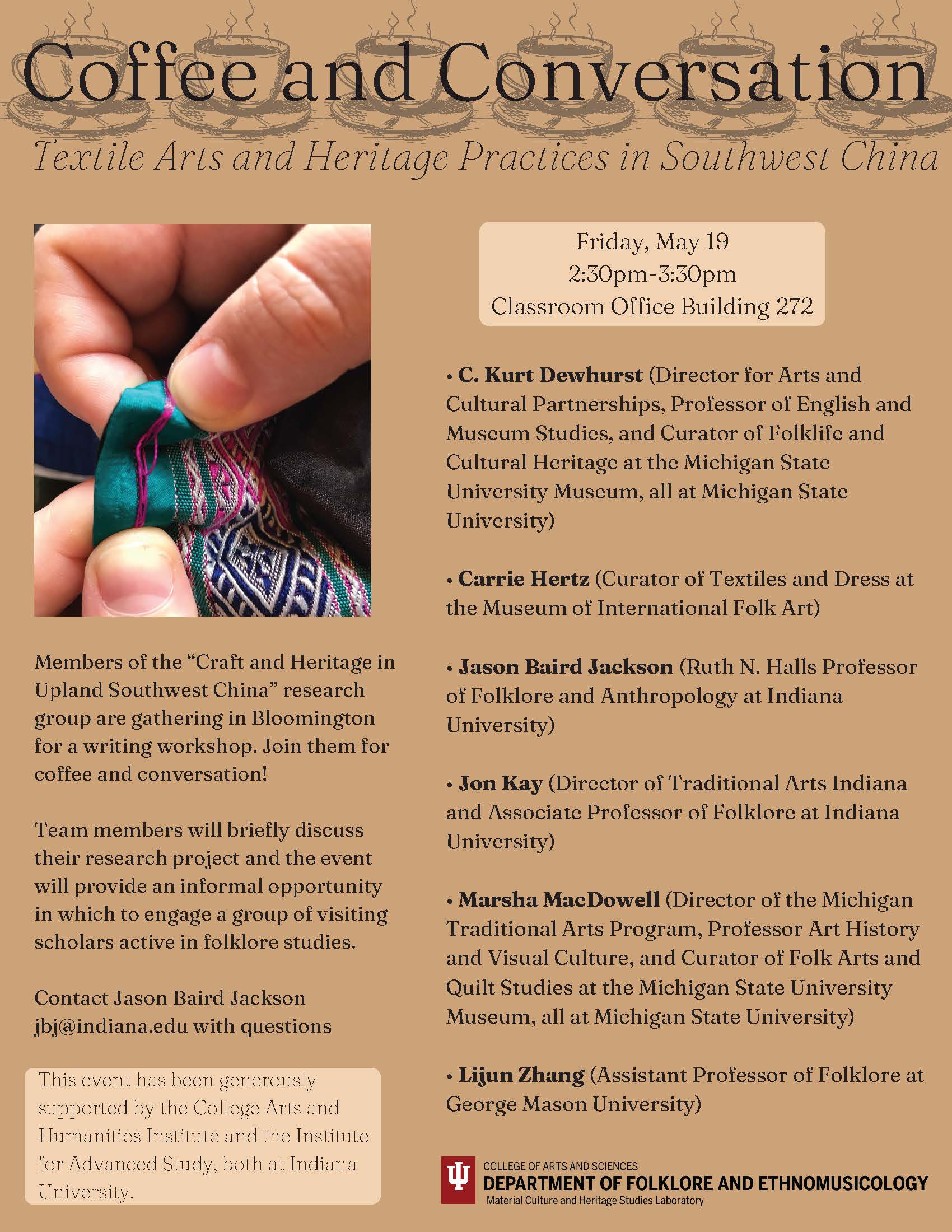
I am happy to be hosting a group of colleagues in Bloomington this week for a long-delayed (COVID…) writing workshop on “Textile Arts and Heritage Practices in Southwest China.” This grows out of the work of the “China-US Folklore and Intangible Cultural Heritage Project,” a joint project of the China Folklore Society and the American Folklore Society. Specifically, the effort arises from that project’s “Collaborative Work in Museum Folklore and Heritage Studies” sub-project (2017-2021), an effort now extended through the “Craft and Heritage in Upland Southwest China” project (2022-present) of the Material Culture and Heritage Studies Research Laboratory. The generous funders and partners for these various projects are discussed in Jackson 2023. This week’s workshop has been supported by the College Arts and Humanities Institute and the Institute for Advanced Study, both at Indiana University. Thank you to all of those who have supported these projects.
There will be a campus event associated with the workshop on Friday, May 19, 2023 at 2:30 pm. Read about it here at this calendar link and in the flyer posted below.