Zomi Town [Enclave], [via] City of Tulsa, Muscogee Nation, [via] Tulsa County, [via] [State of] Oklahoma, United States
Visited June 14, 2024*
This is the twenty-second post in the series: Villages and Towns of the Southeast Asian Massif.
Approximately: 36° 3′ 45.54″ N, 95° 57′ 31.002″ W
*I first visited Tulsa, Muscogee Nation, [via] Oklahoma in spring 1993 and I lived and worked there between 1995 and 2000. I have returned regularly since 2000. This date represents the beginning of my focusing on the Zomi presence in a place that has been my focus for more than three decades.
I am presently reading a chapter in the monumental Fowler Museum exhibition catalog The Art of Rice: Spirit and Sustenance in Asia (Los Angeles: UCLA Fowler Museum of Cultural History, 2003). It is “Rice Harvest Rituals in Two Highland Tai Communities in Vietnam” by Vi Vǎn An and Eric Crystal. I was drawn to this essay because it contextualizes a kind of basket-like plaited bamboo object used in ritual contexts among the related Tai peoples of Southeast Asia and Southwest China. More on that eventually Here I just take a minute to make note of another material form of interest. The name that the authors of this catalog chapter use for it is “field hut” and that seems like a suitable English name. The authors picture one in their figure 7.2 on page as shown here:
Figure 7.2 in An and Crystal (2003, 120). “A field hut stands in the distance in a dry-rice field. “Photograph by Eric Crystal. Ban Ðôc, 2000. [See screenshot image above for the full Vietnamese diacritics.] On a pole to the left of the hut is the kind of woven bamboo item that I am studying. The house shown here is of concern to the authors because it is a focal point for a rice harvest ritual of one of the two groups of Tai that they discuss.
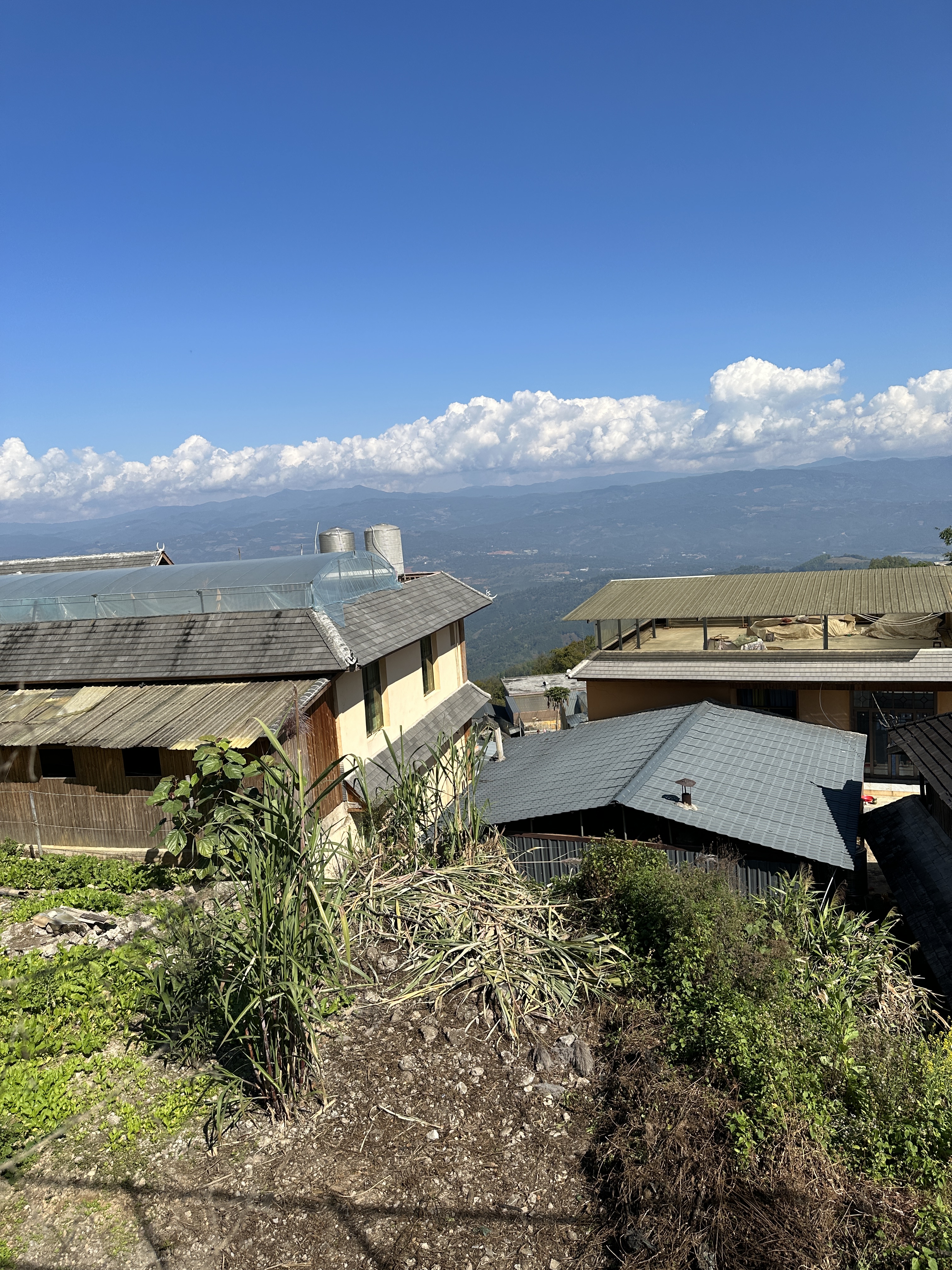
My photographs of such field huts in the uplands of Southwest China are often poor because they are taken through the window of a moving van or bus, but I have taken a stead interest in them throughout my visits to the region. Most recently, I saw many of them in the fields and tea tree groves on Jingmai Mountain in Pu’er [Prefecture-Level] City, Yunnan, China. The best example among my photographs from this most recent of my trips is probably this one:
A “field hut” in a mixed-crop truck garden lower down on Jingmai Mountain. Photograph by Jason Baird Jackson. Near Balao in a predominantly Dai and Hani area. December 27, 2023.
These kinds of buildings get mentioned here and there in the ethnographic literature for the broader region. I hope to return to them someday and here I note them as just another interesting aspect of the region’s vernacular architecture. Those who know me and know eastern Oklahoma will recognize my interests in such buildings in the comparative case of ceremonial ground and church family camps.
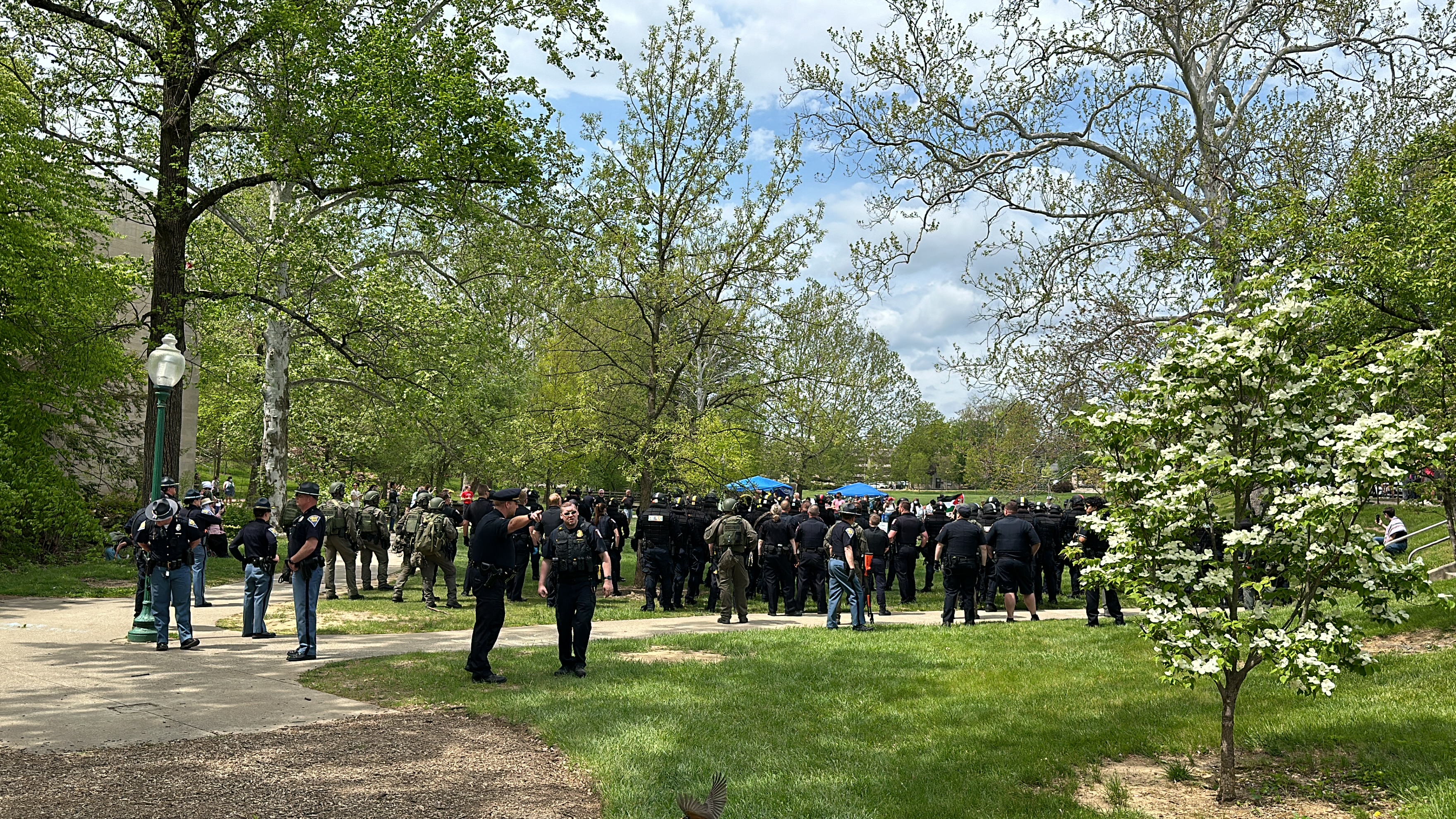
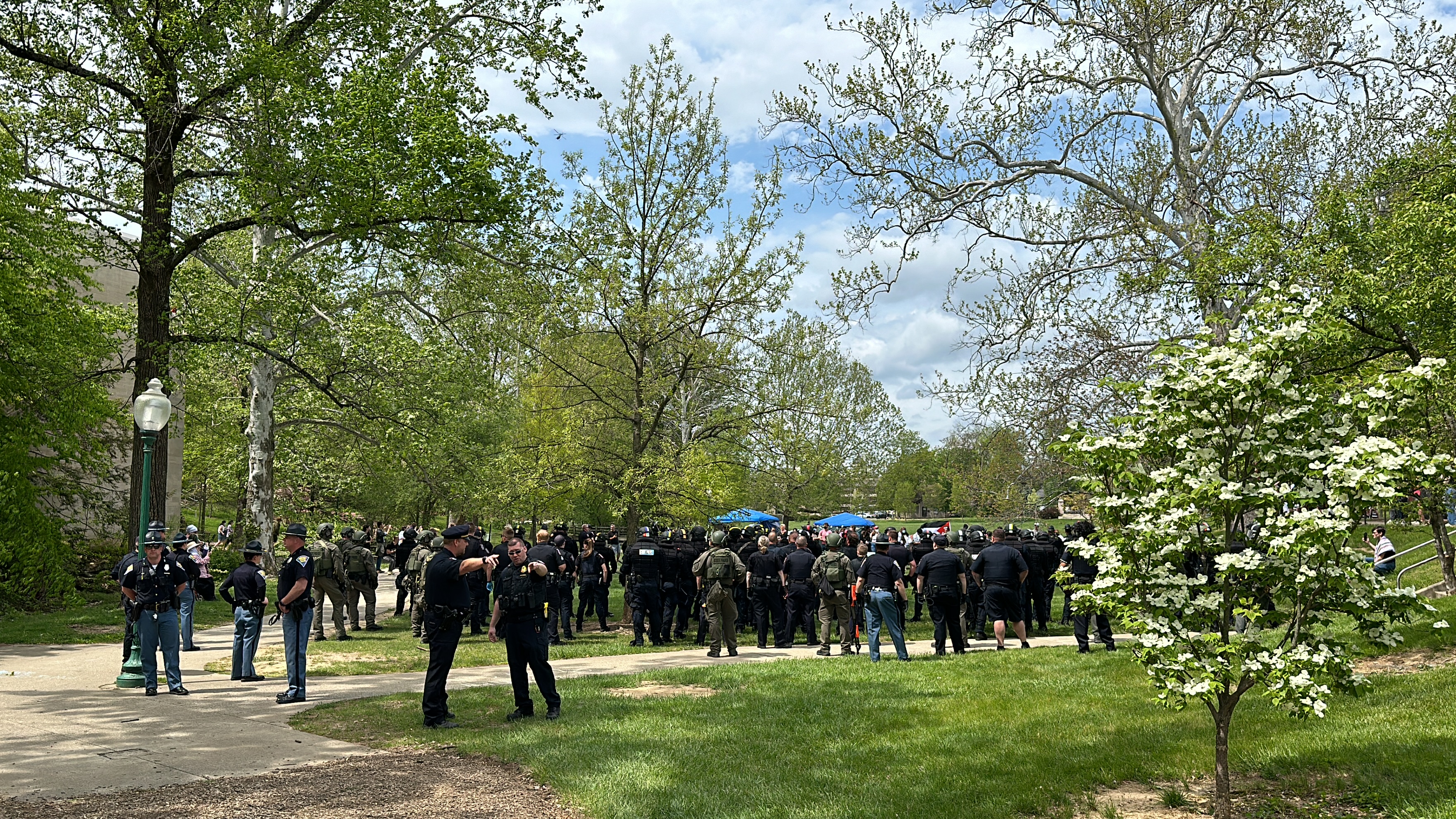
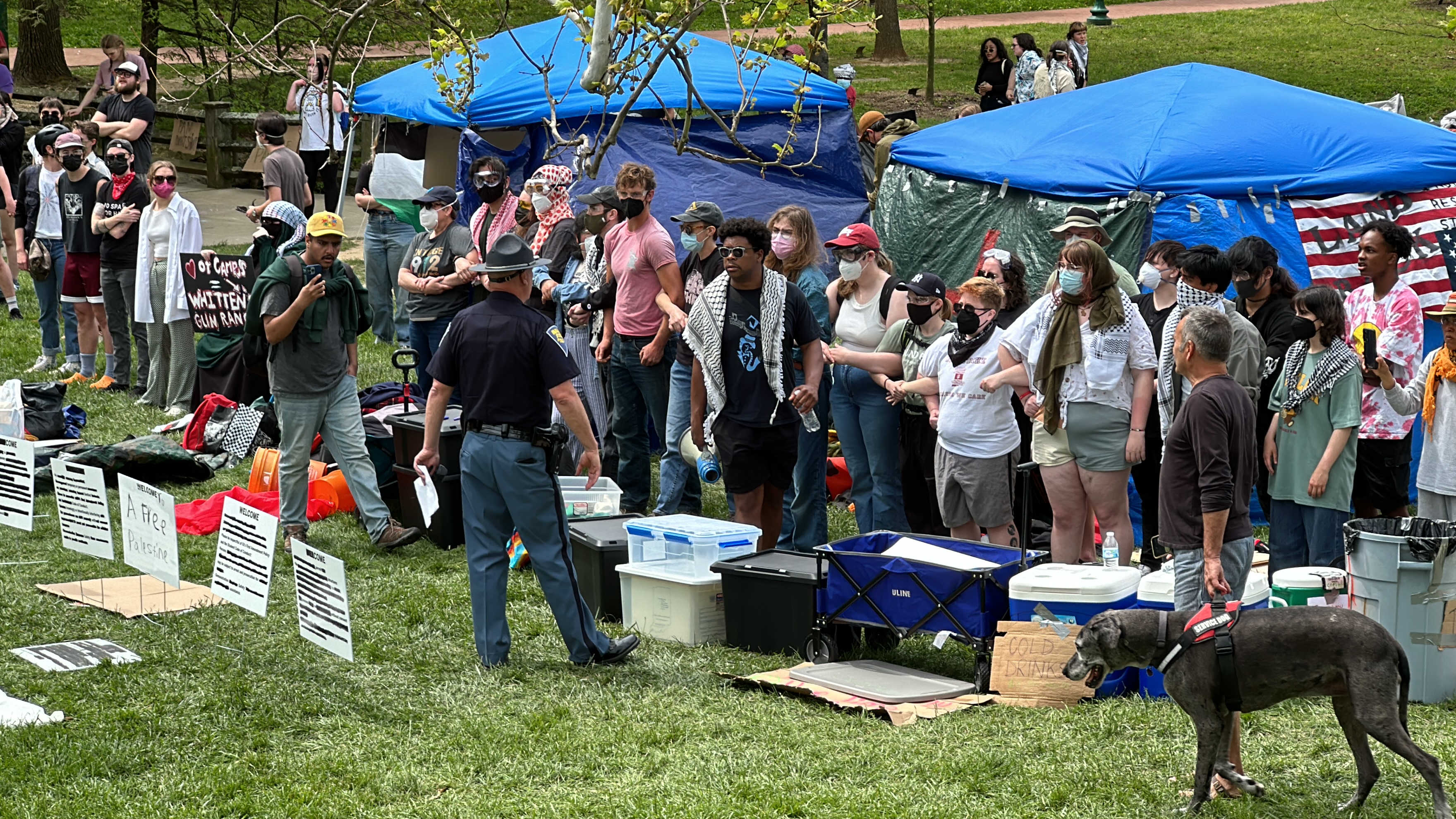
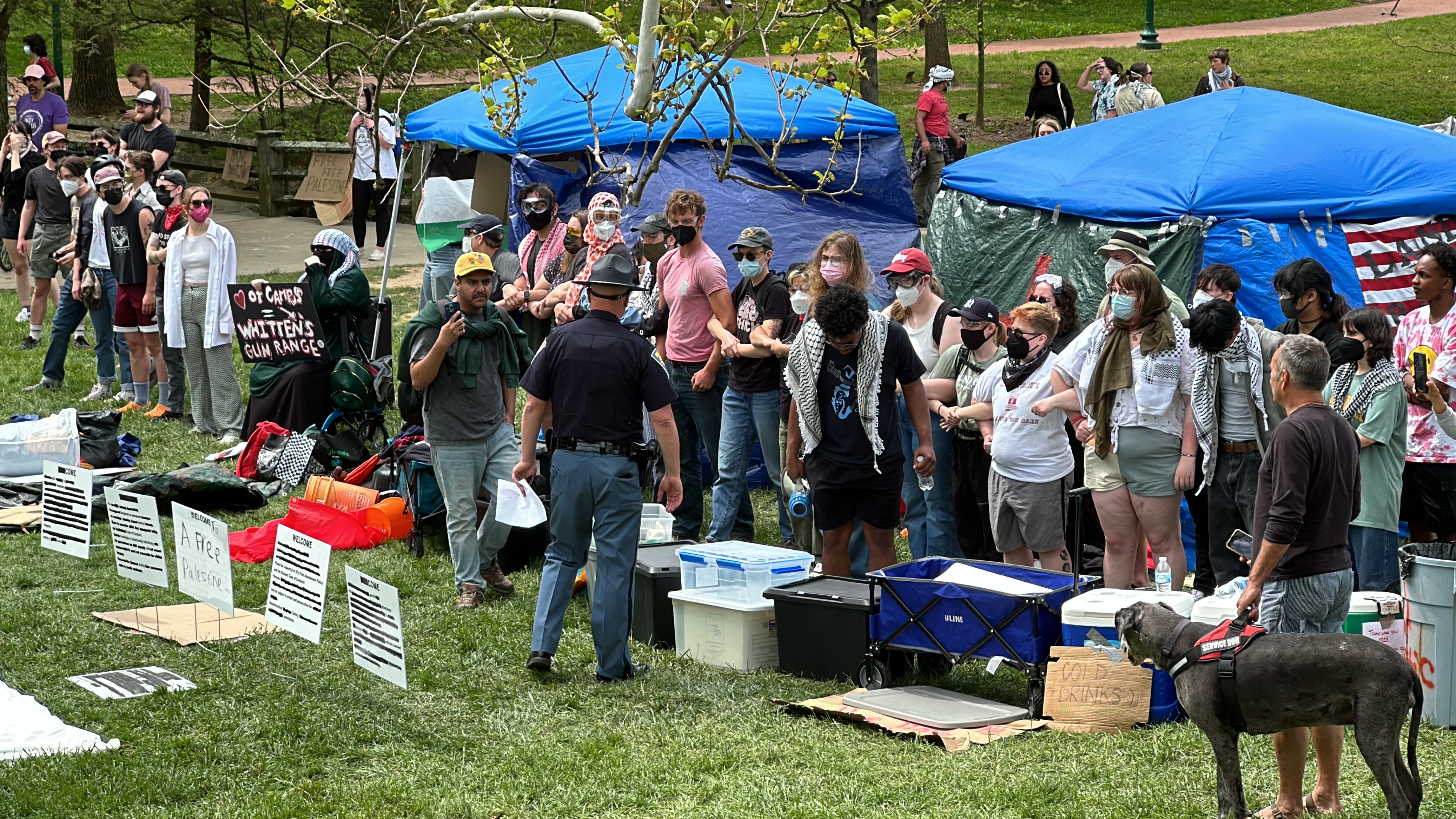
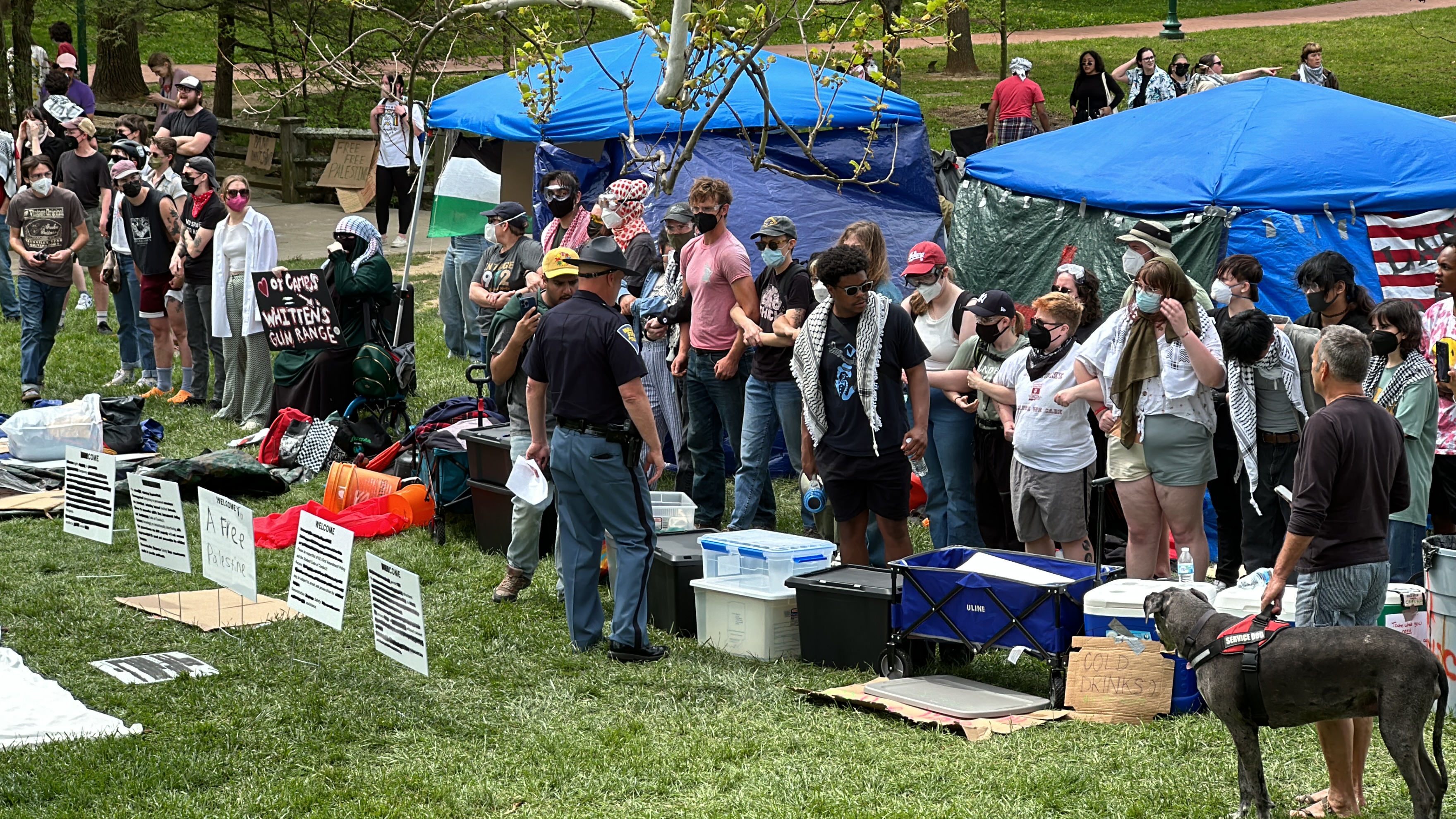
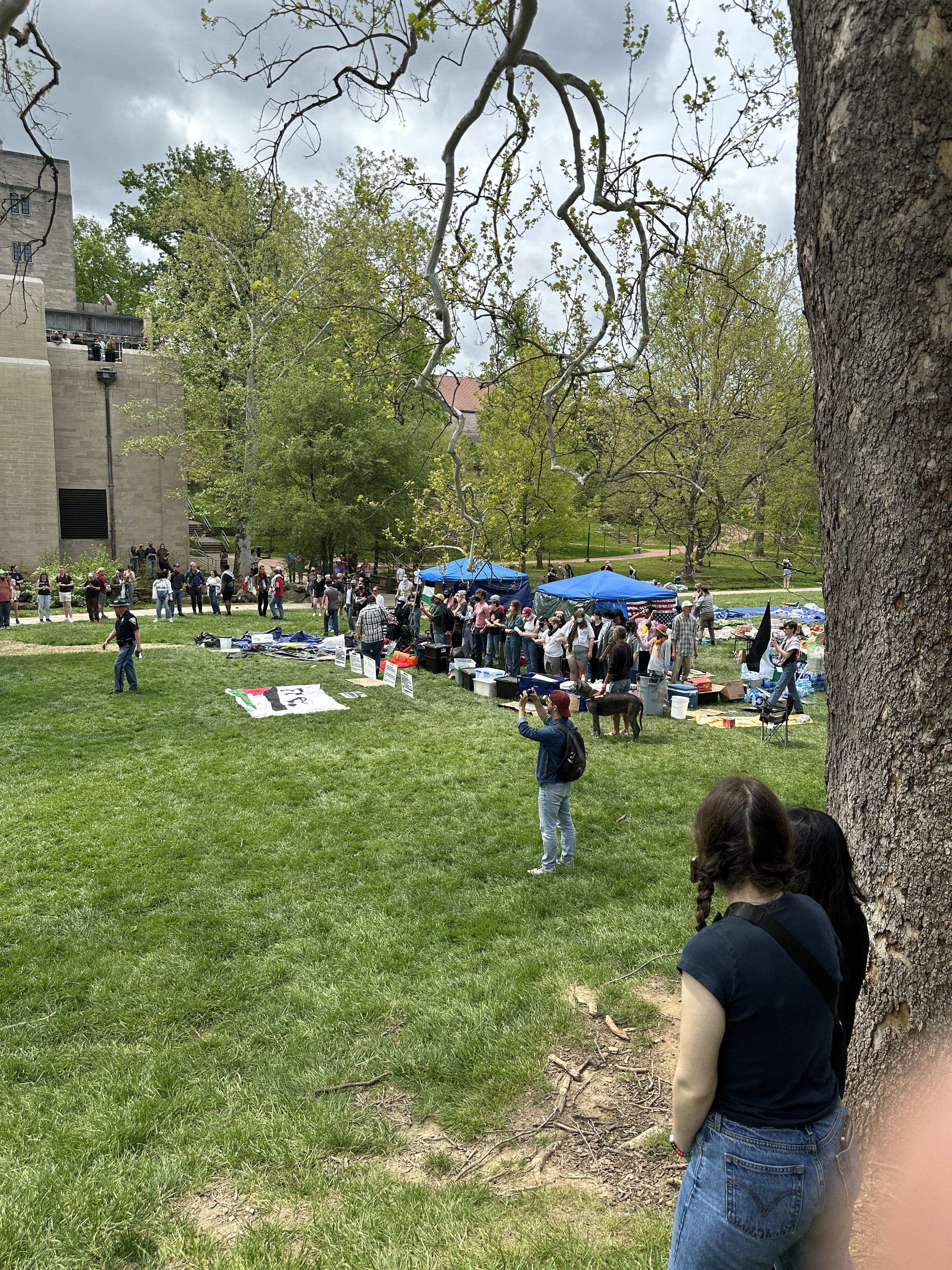
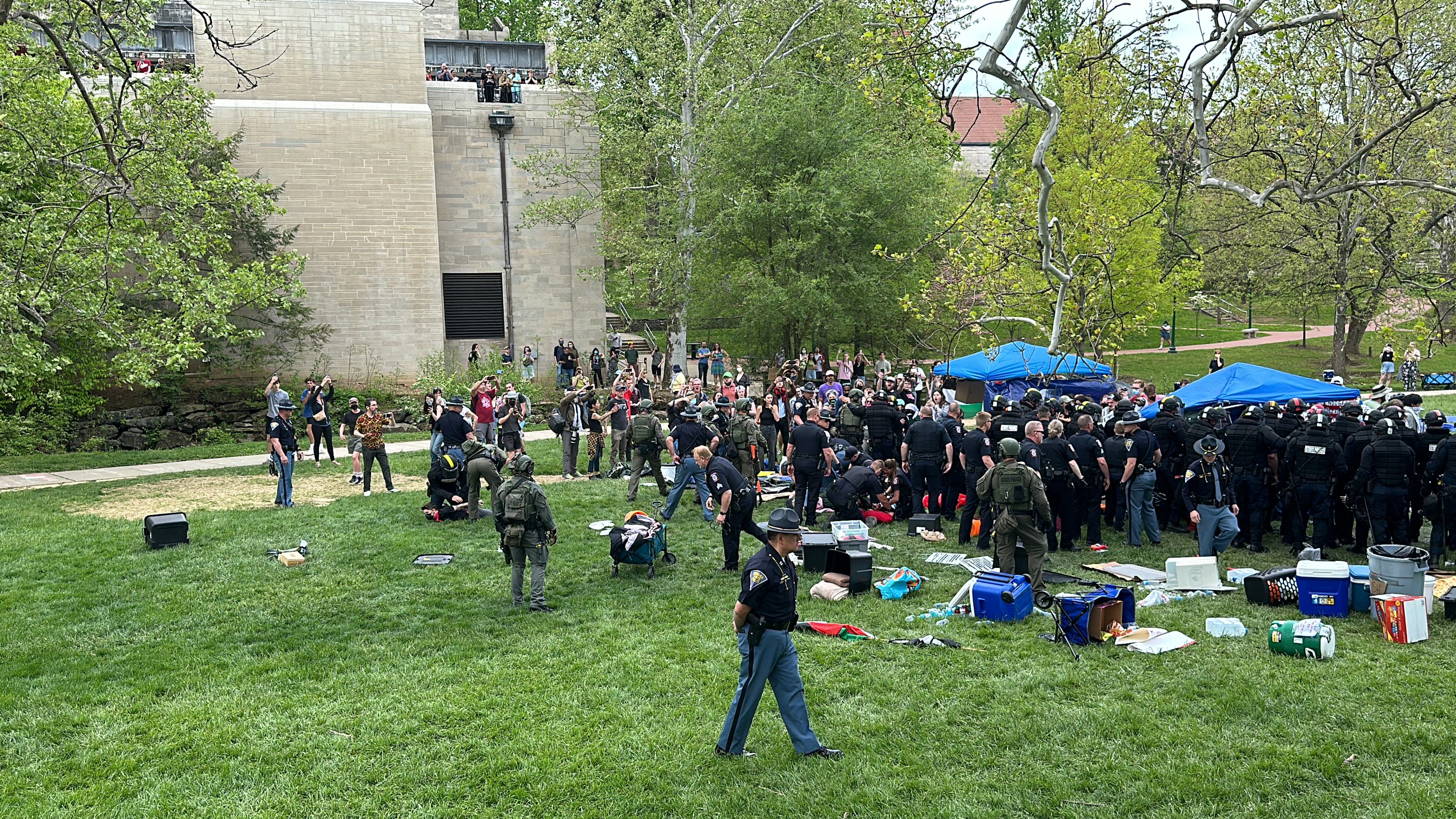
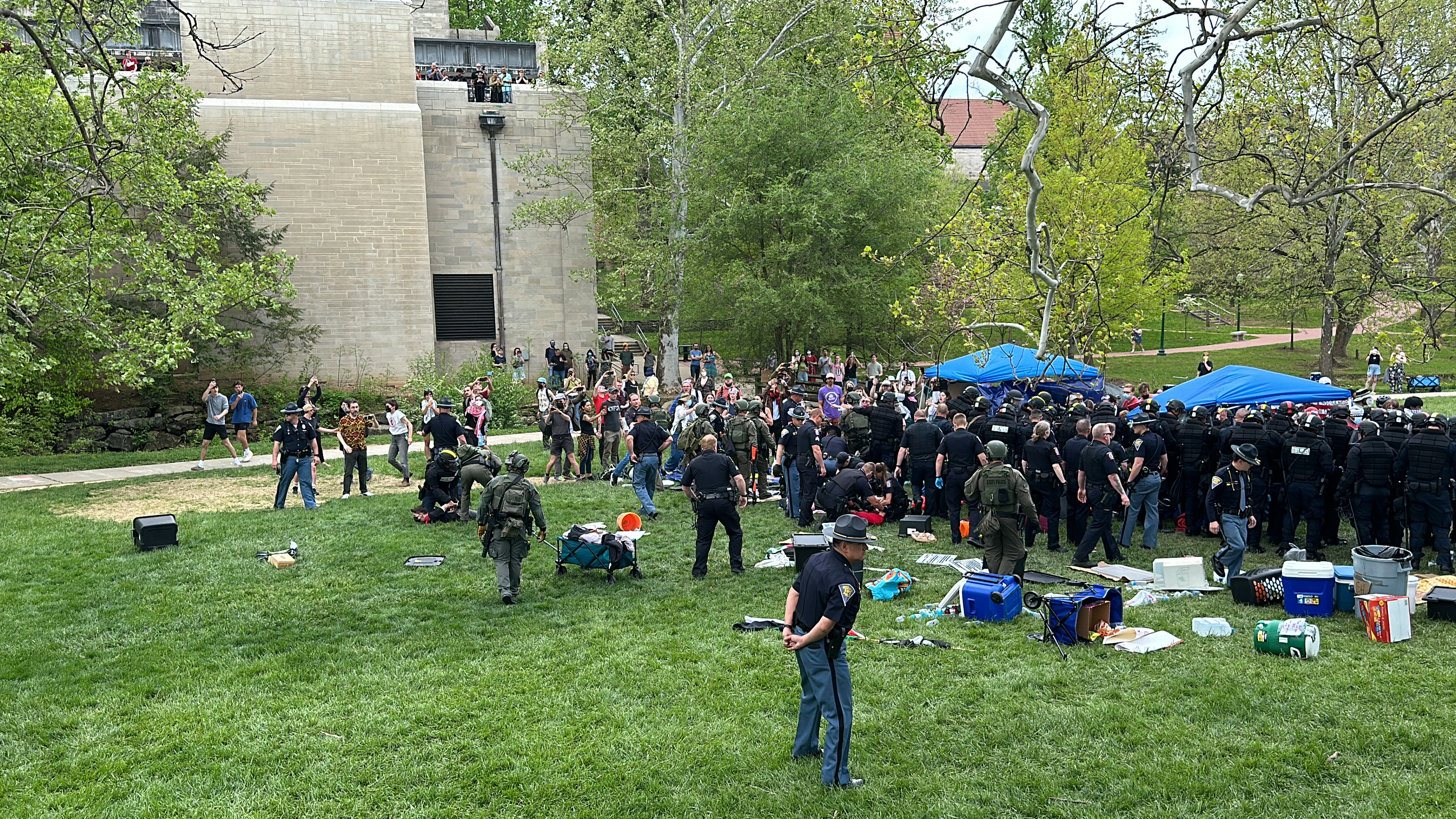
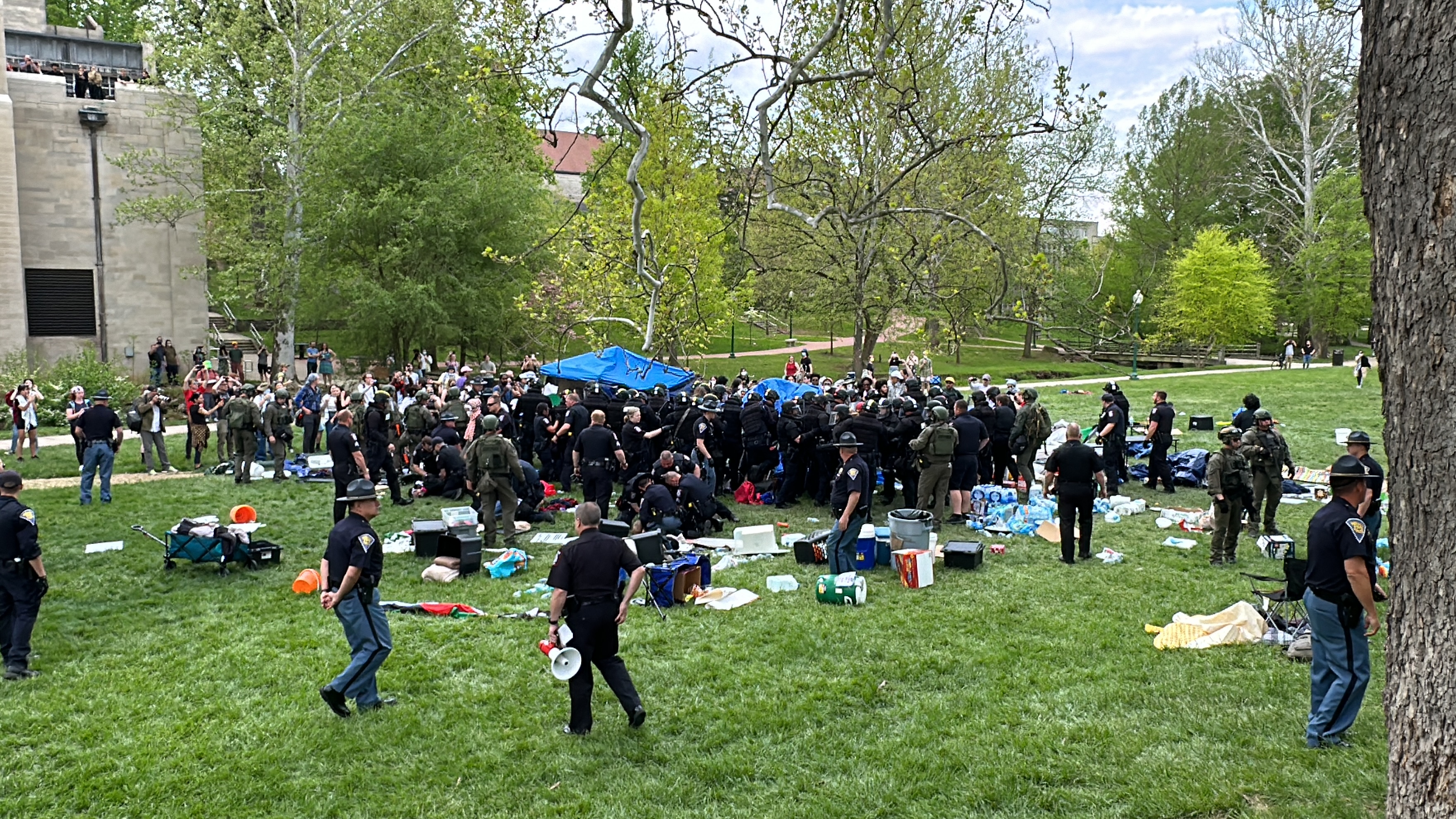
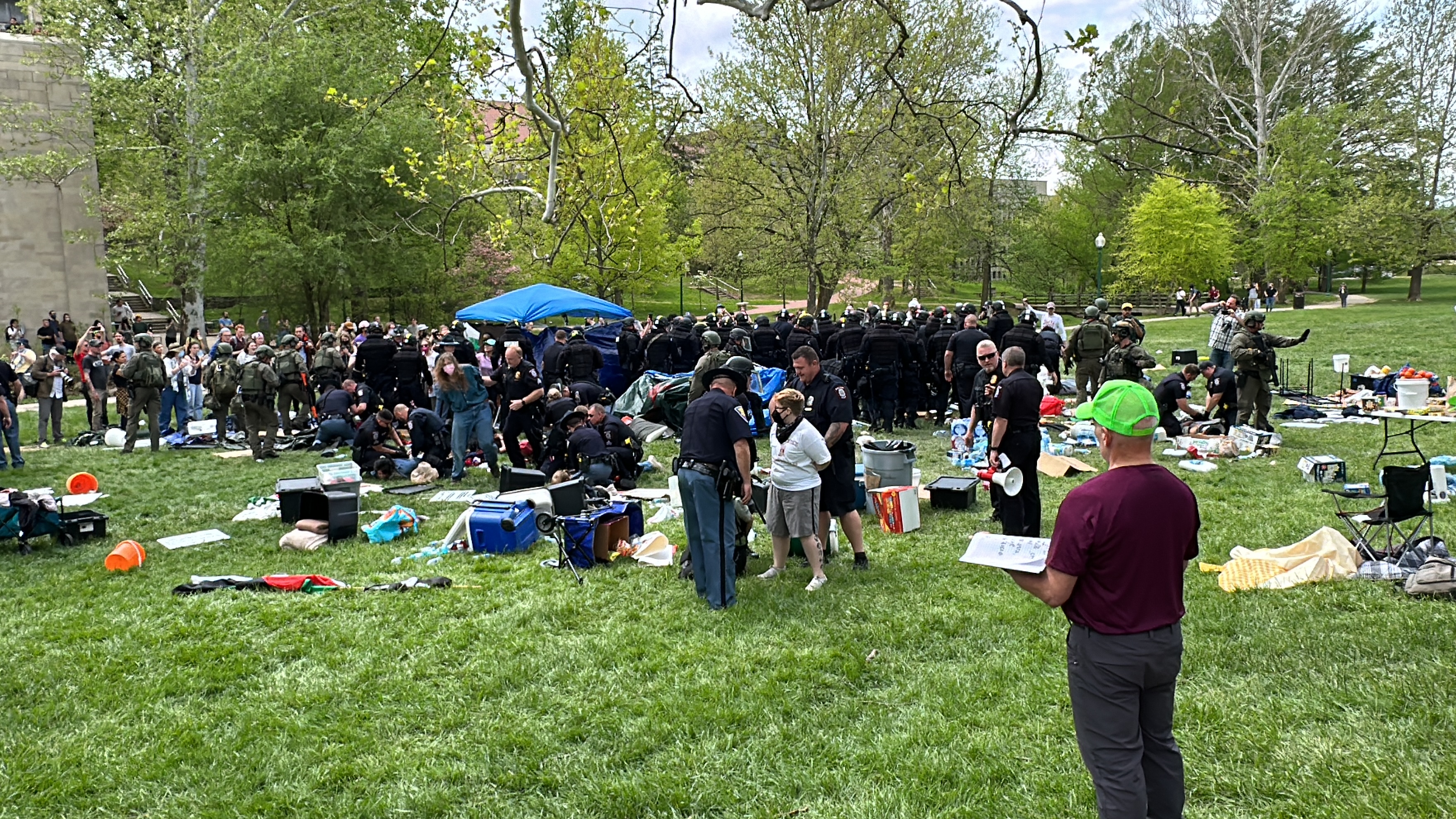
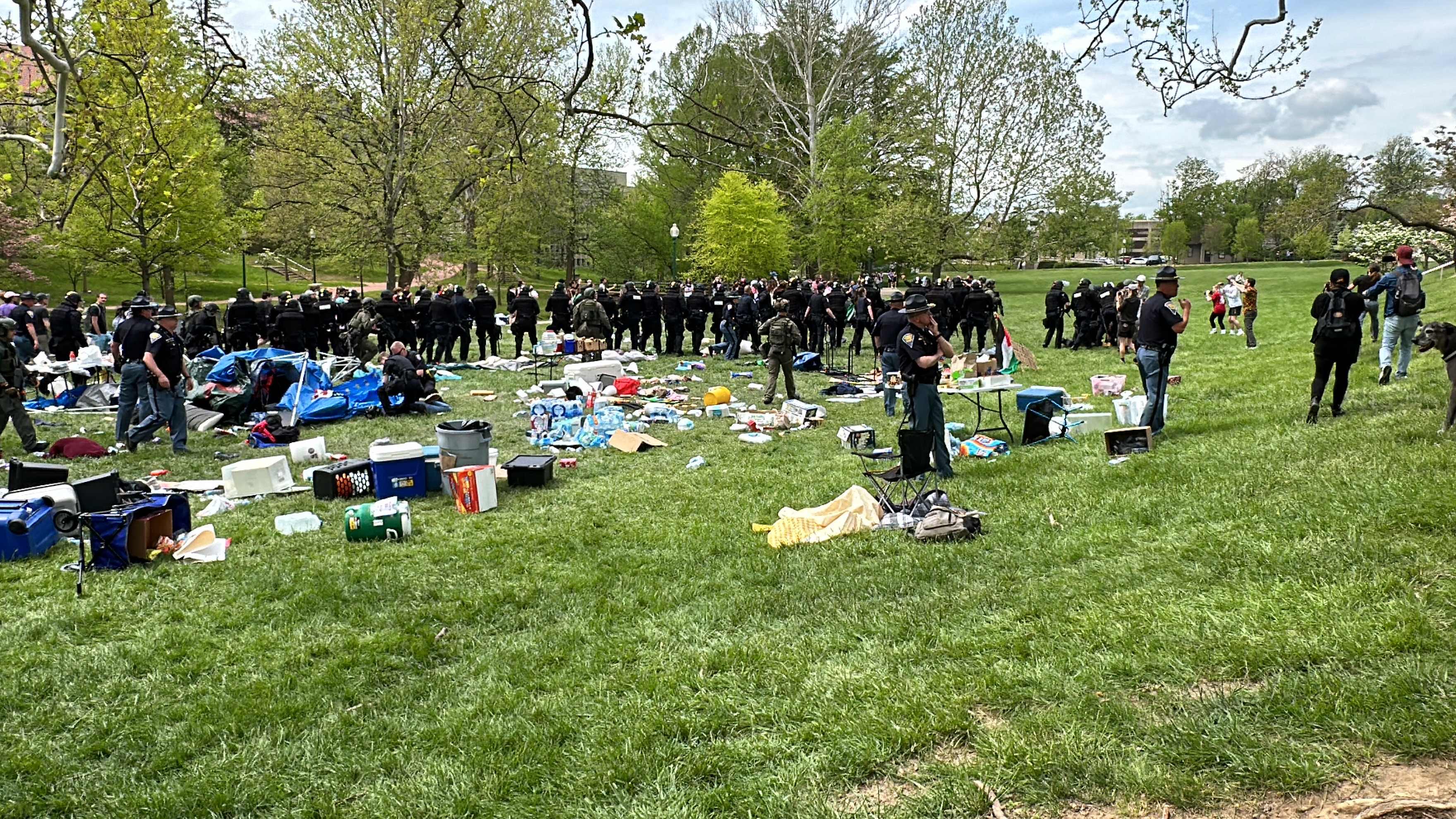
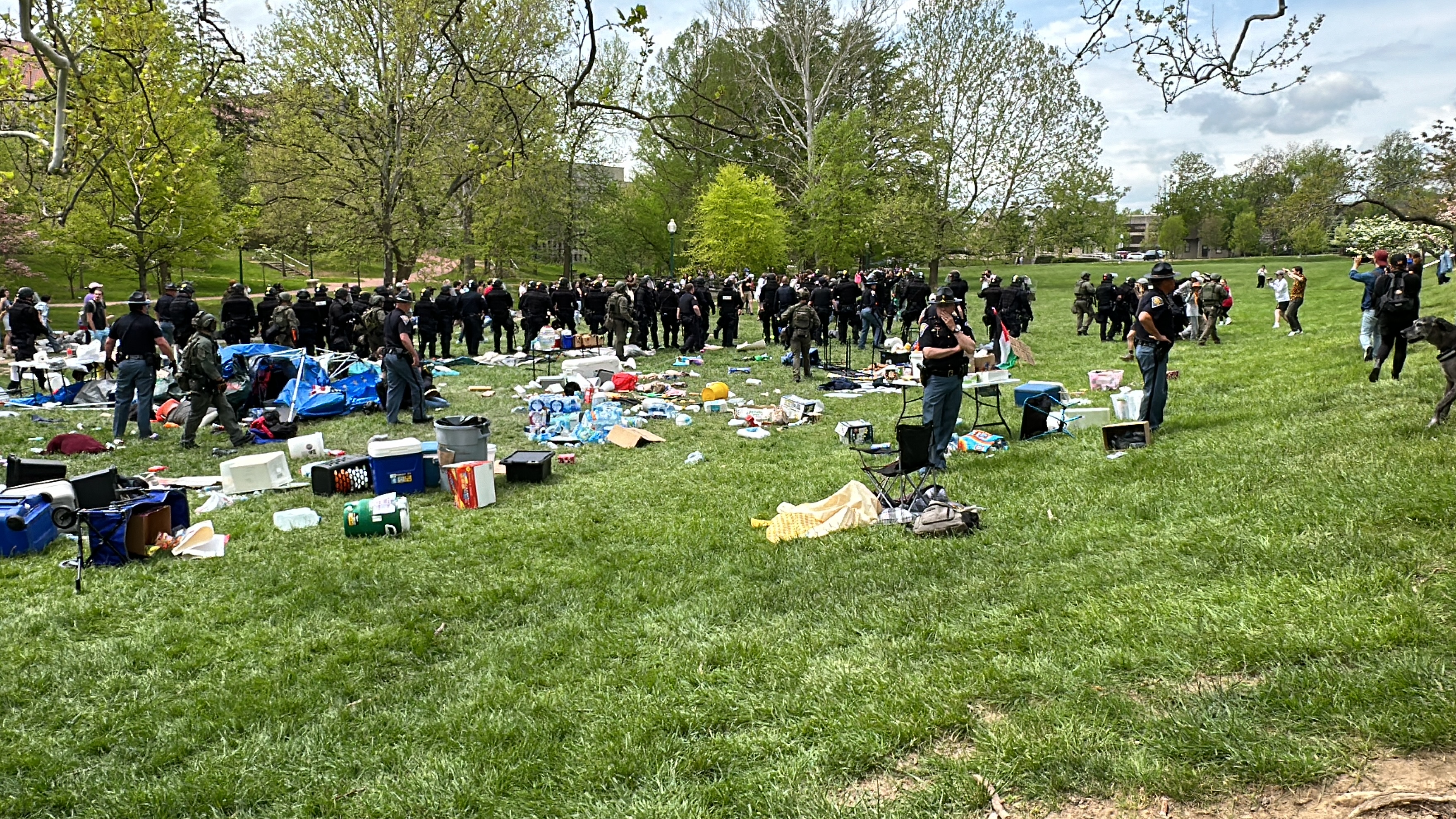
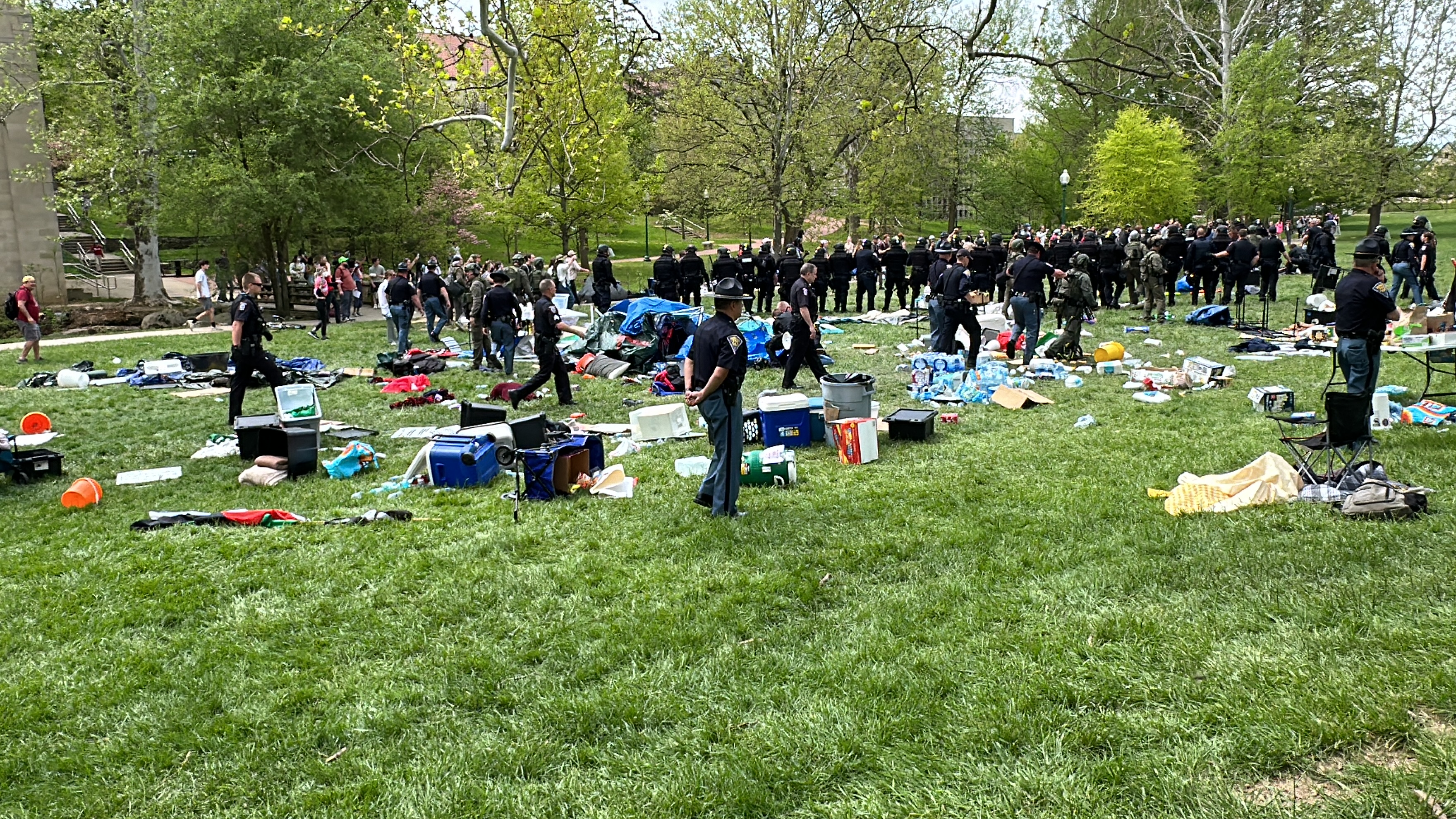
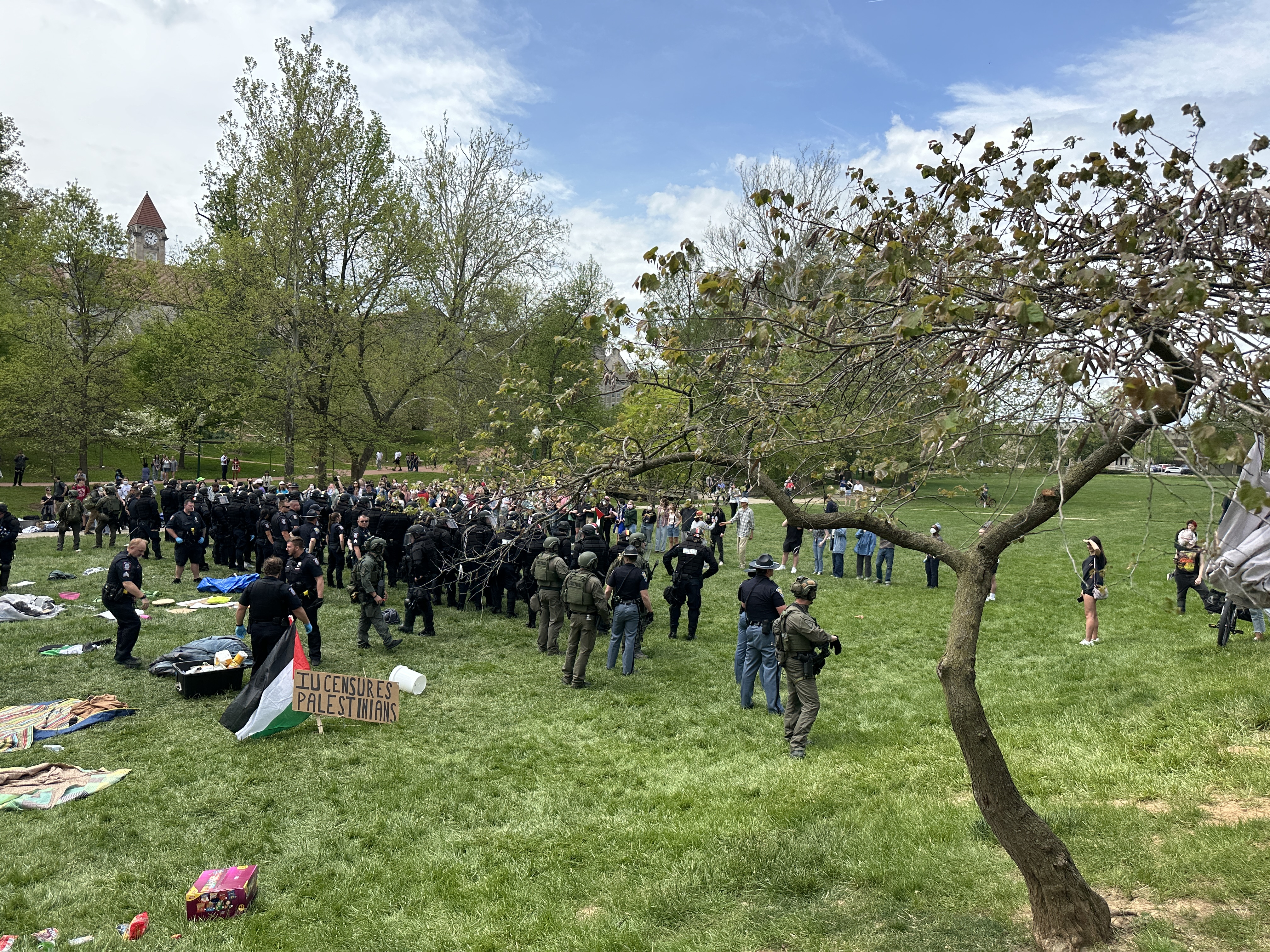
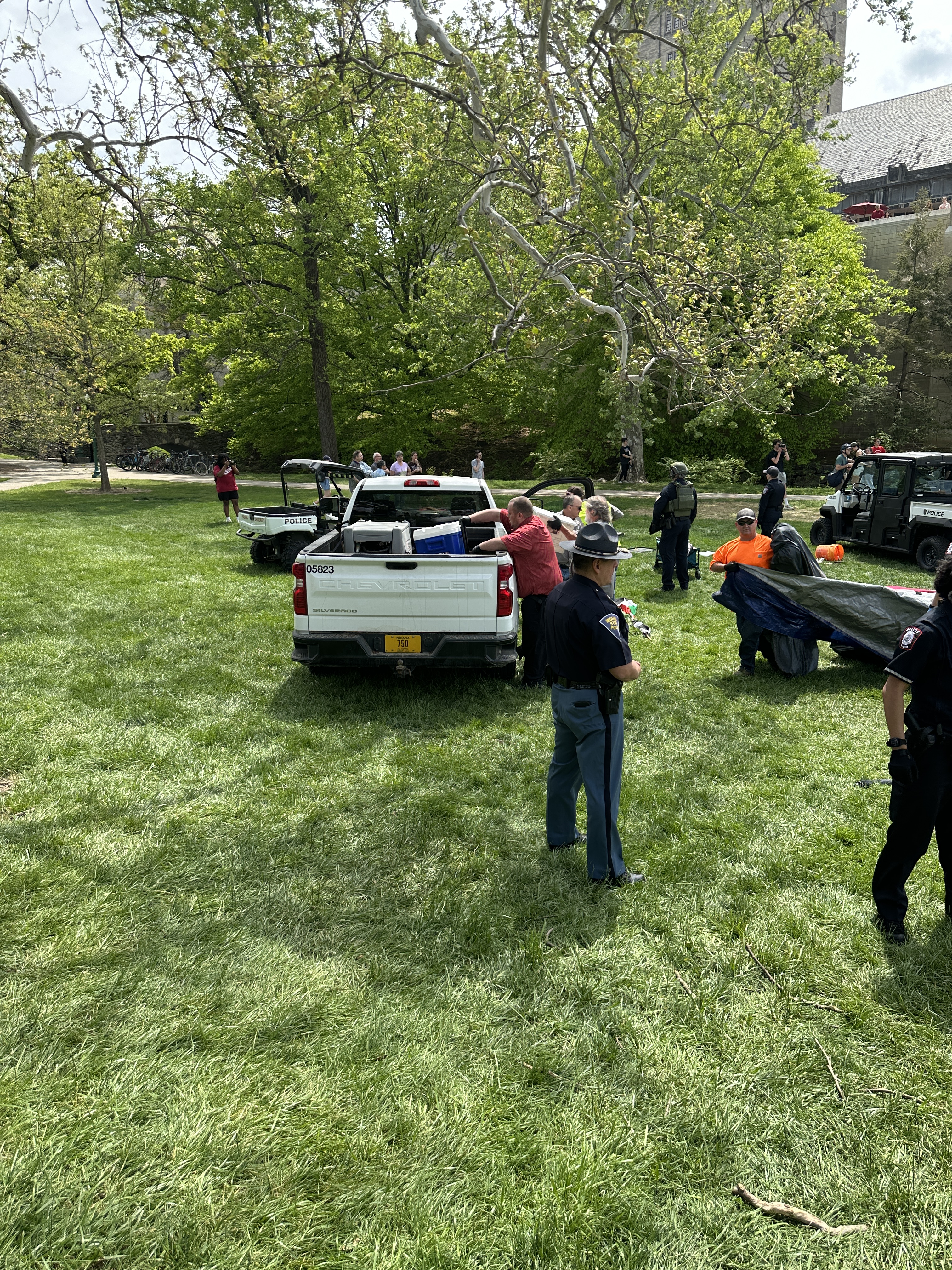
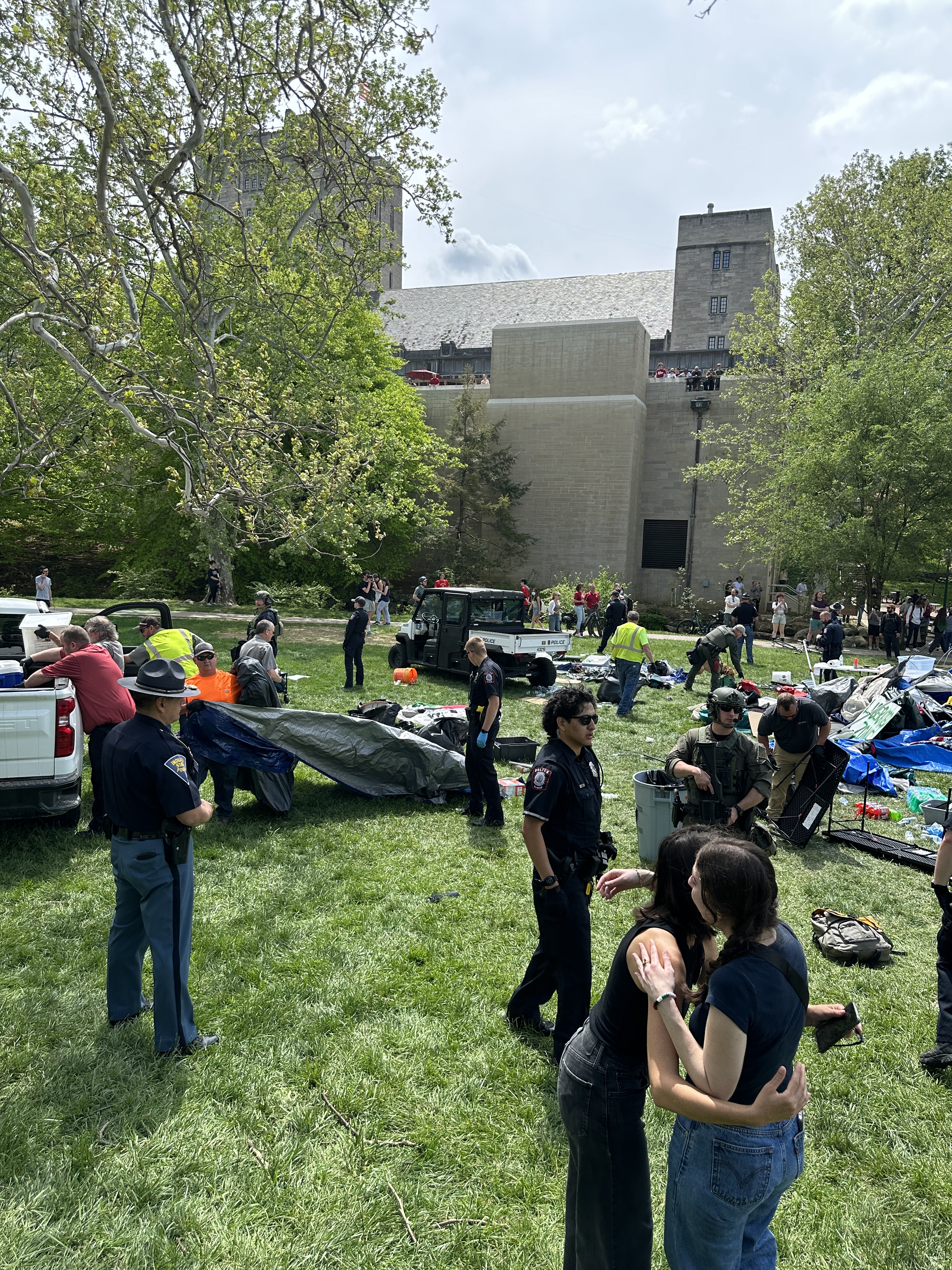
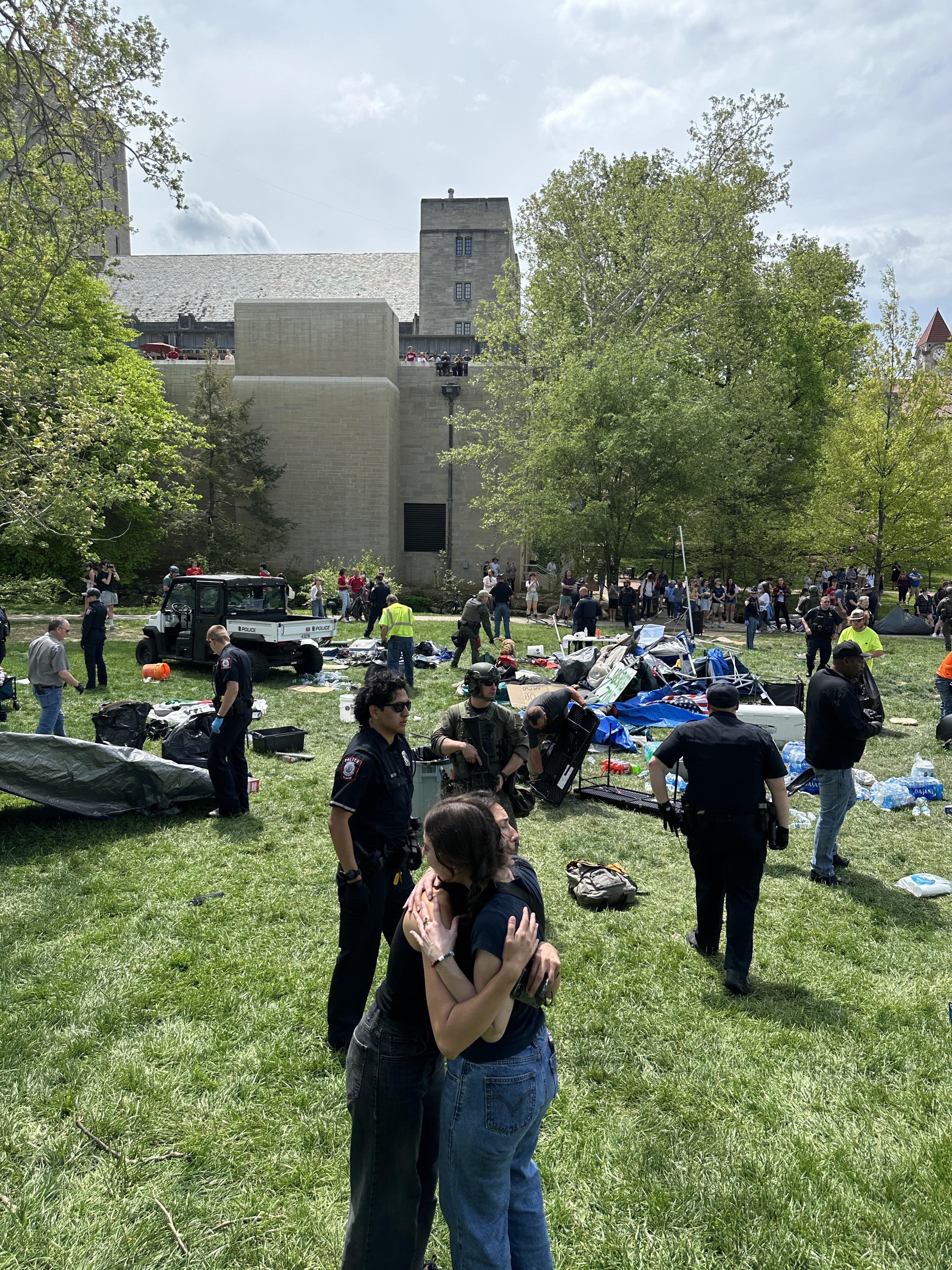
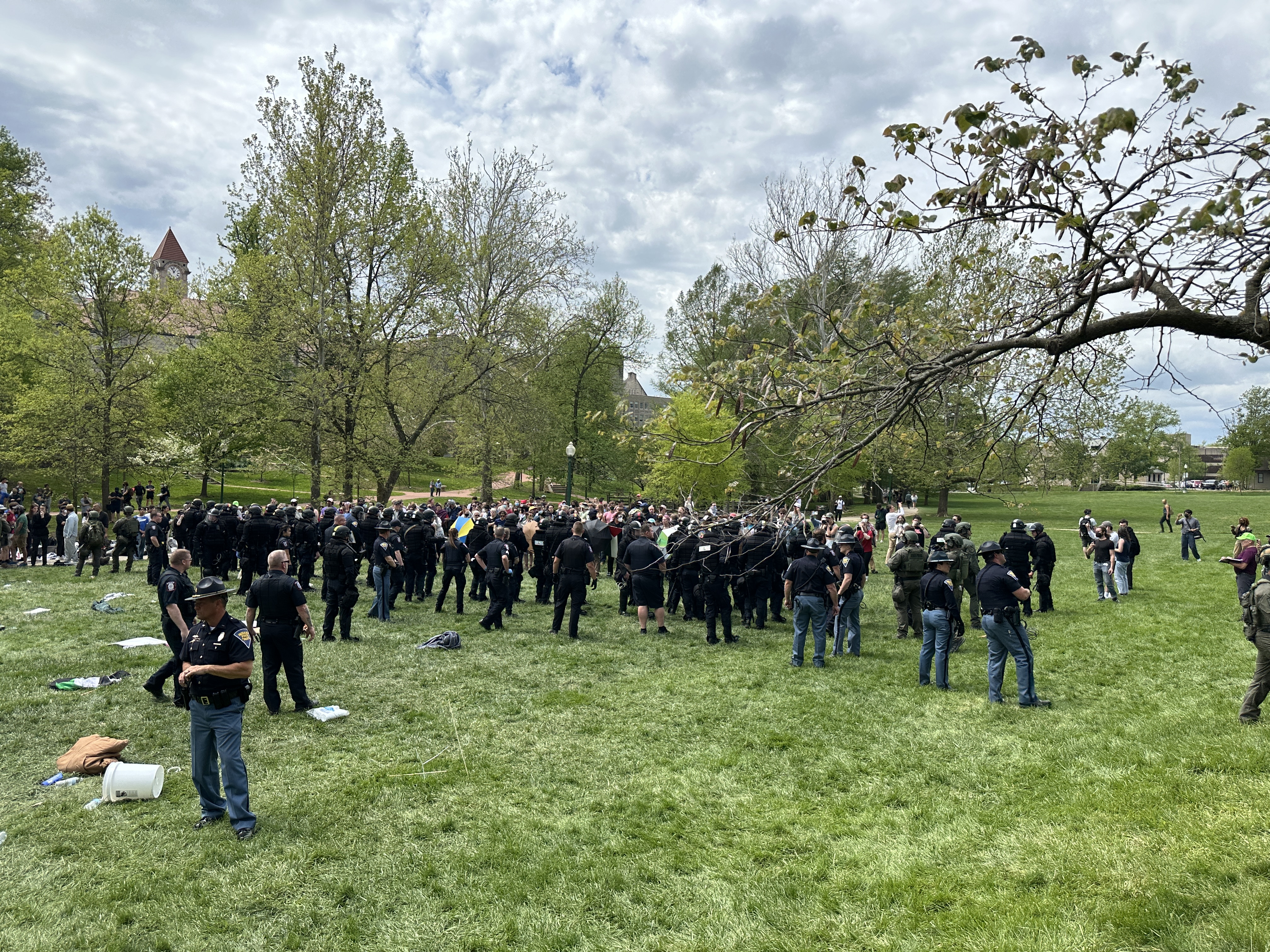
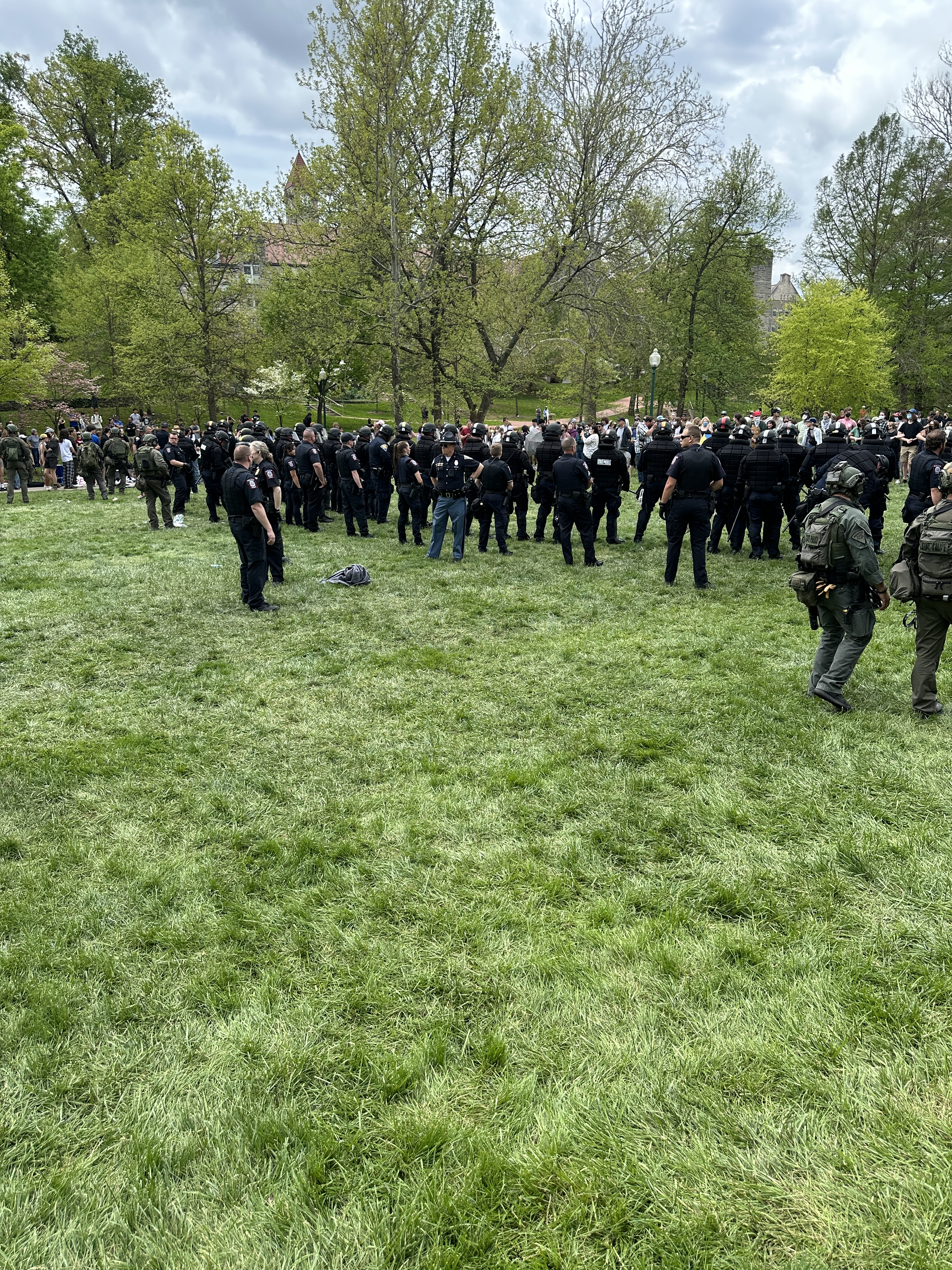
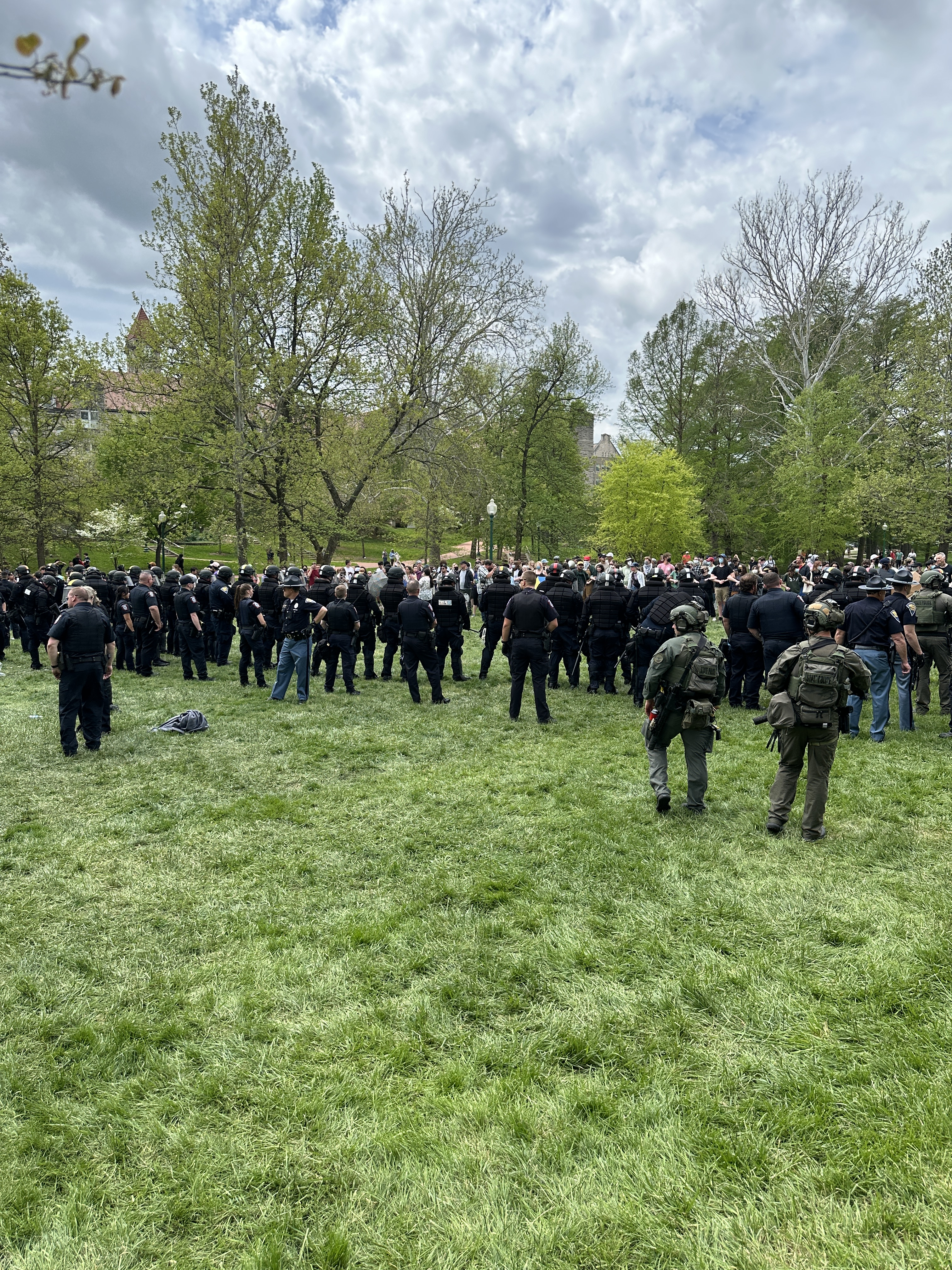
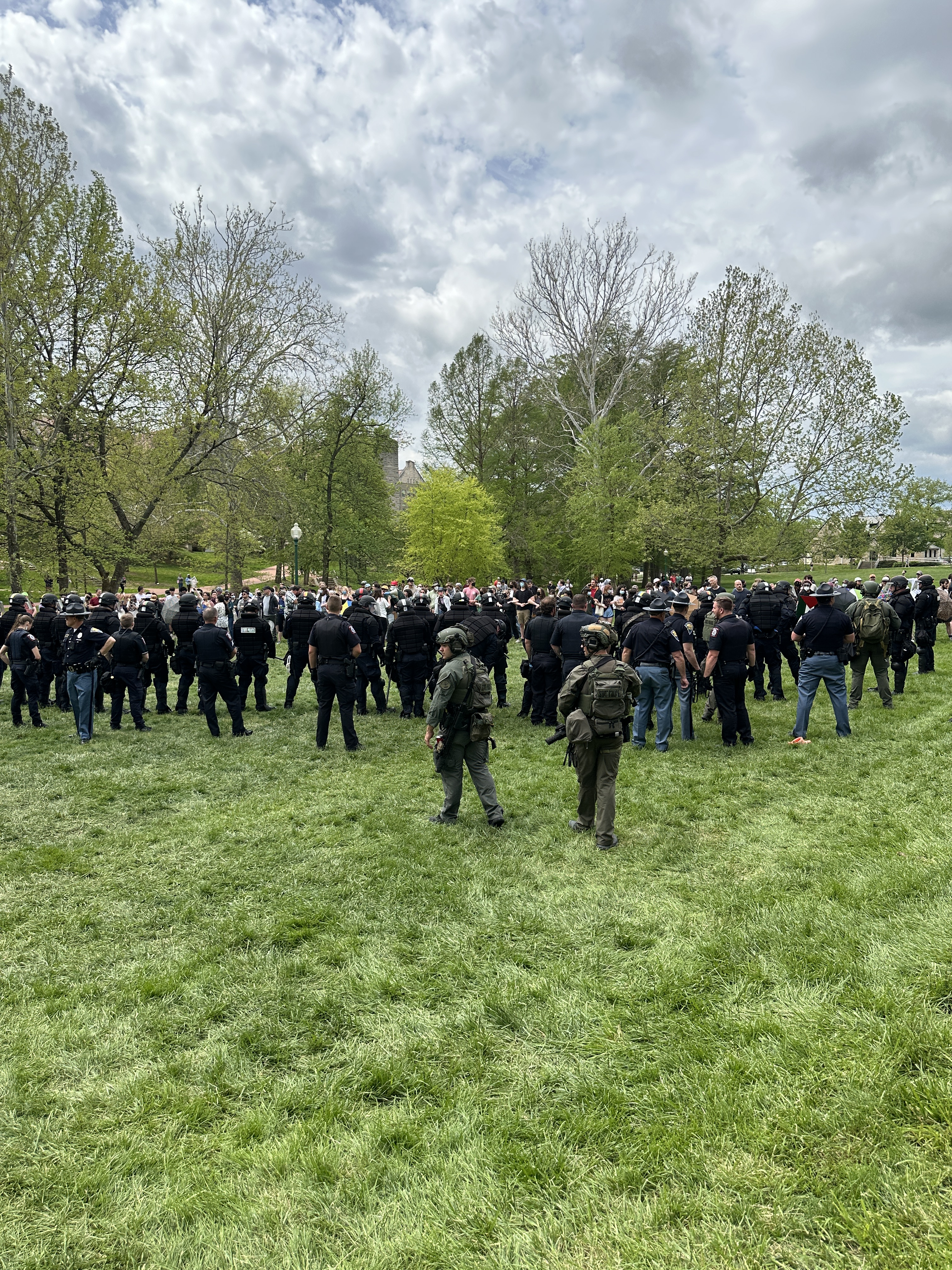
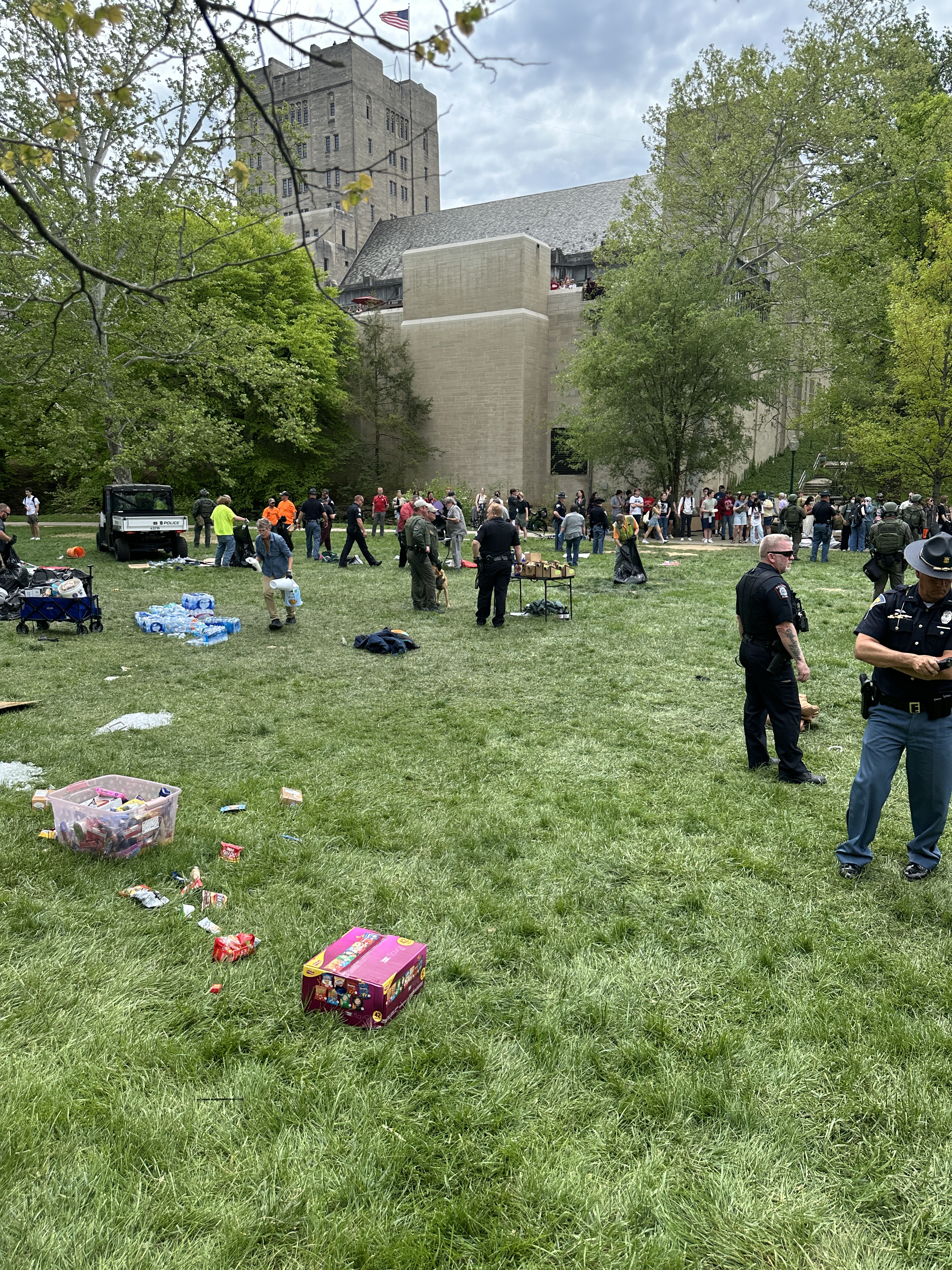
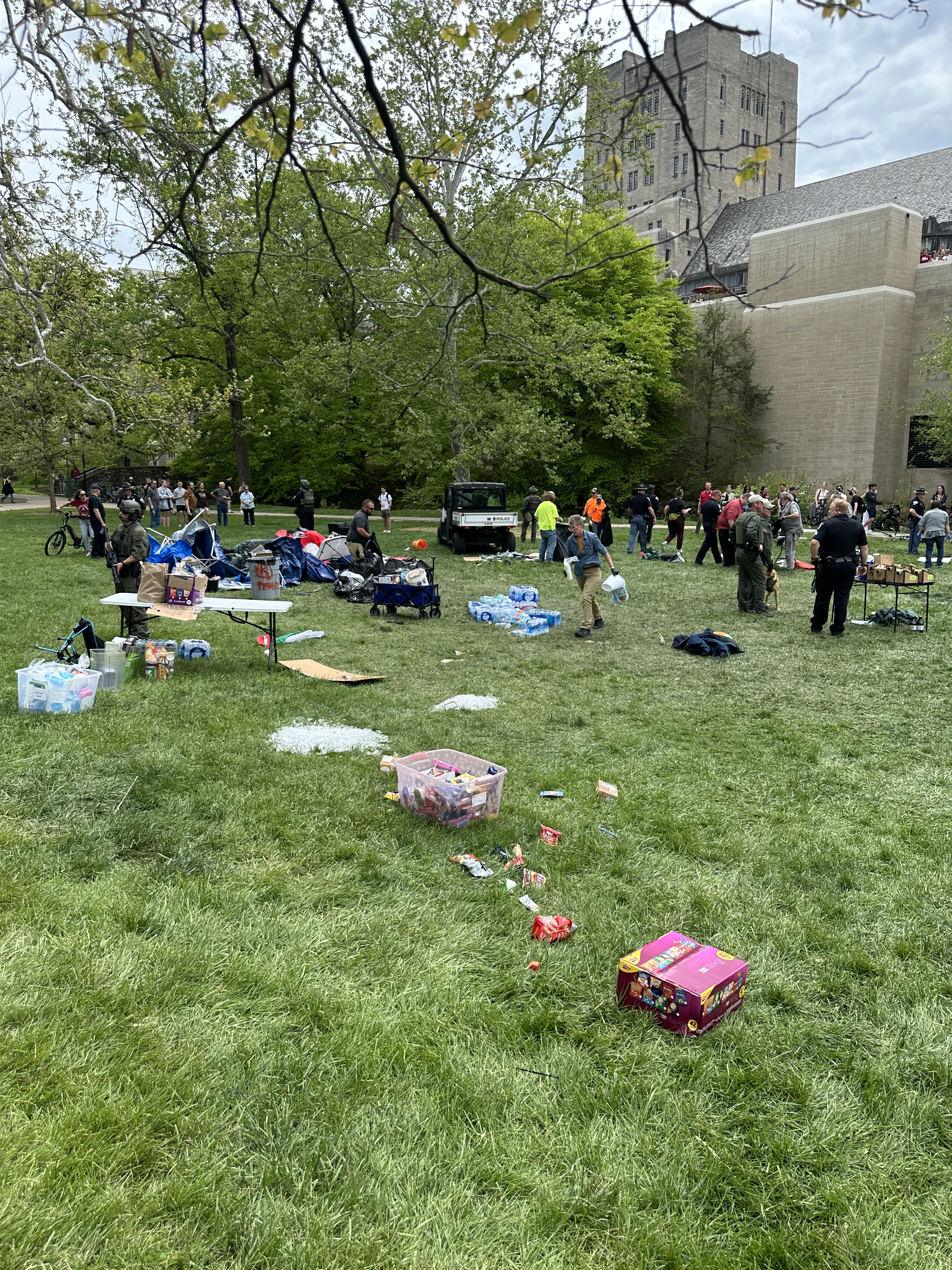
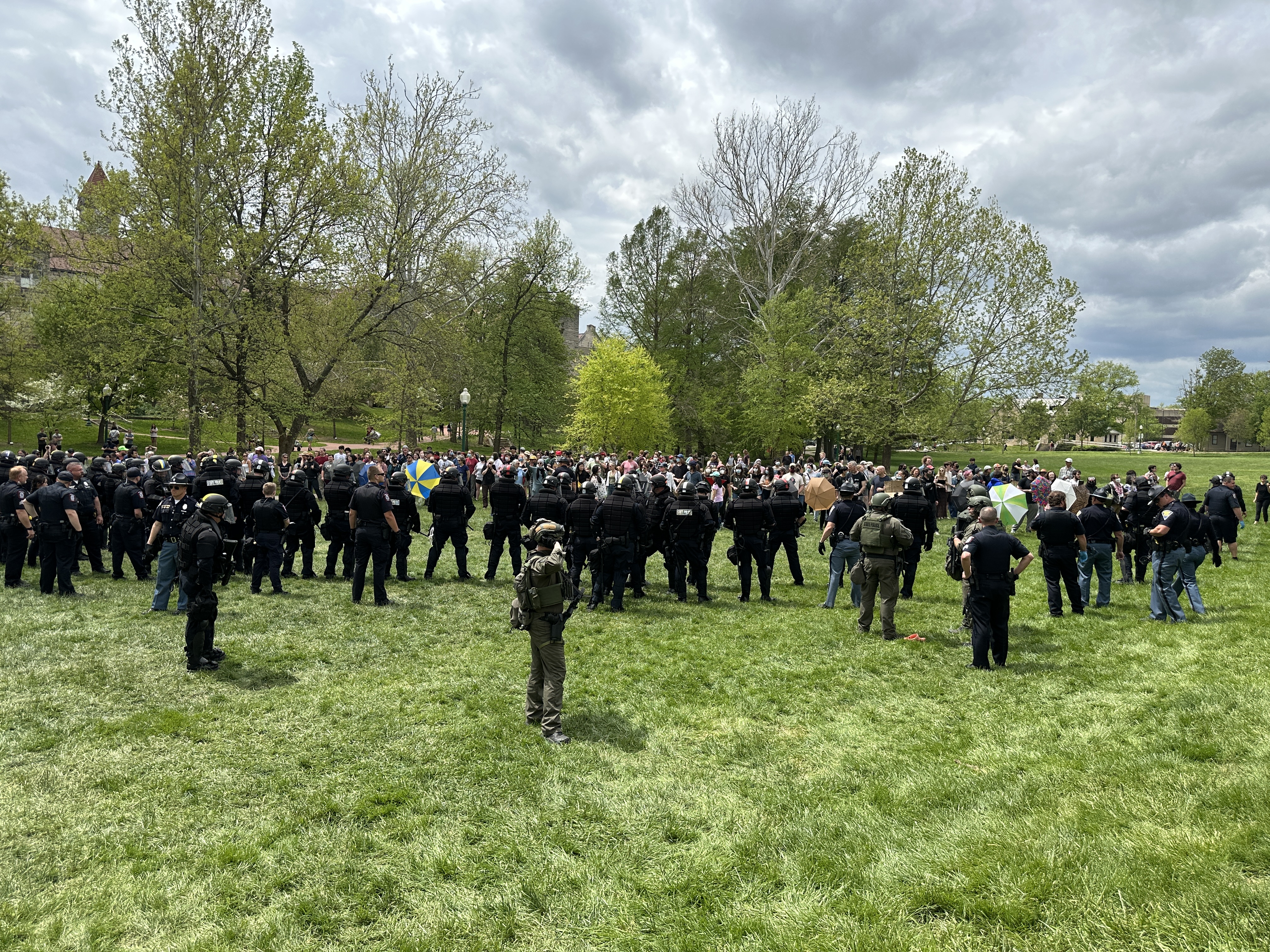
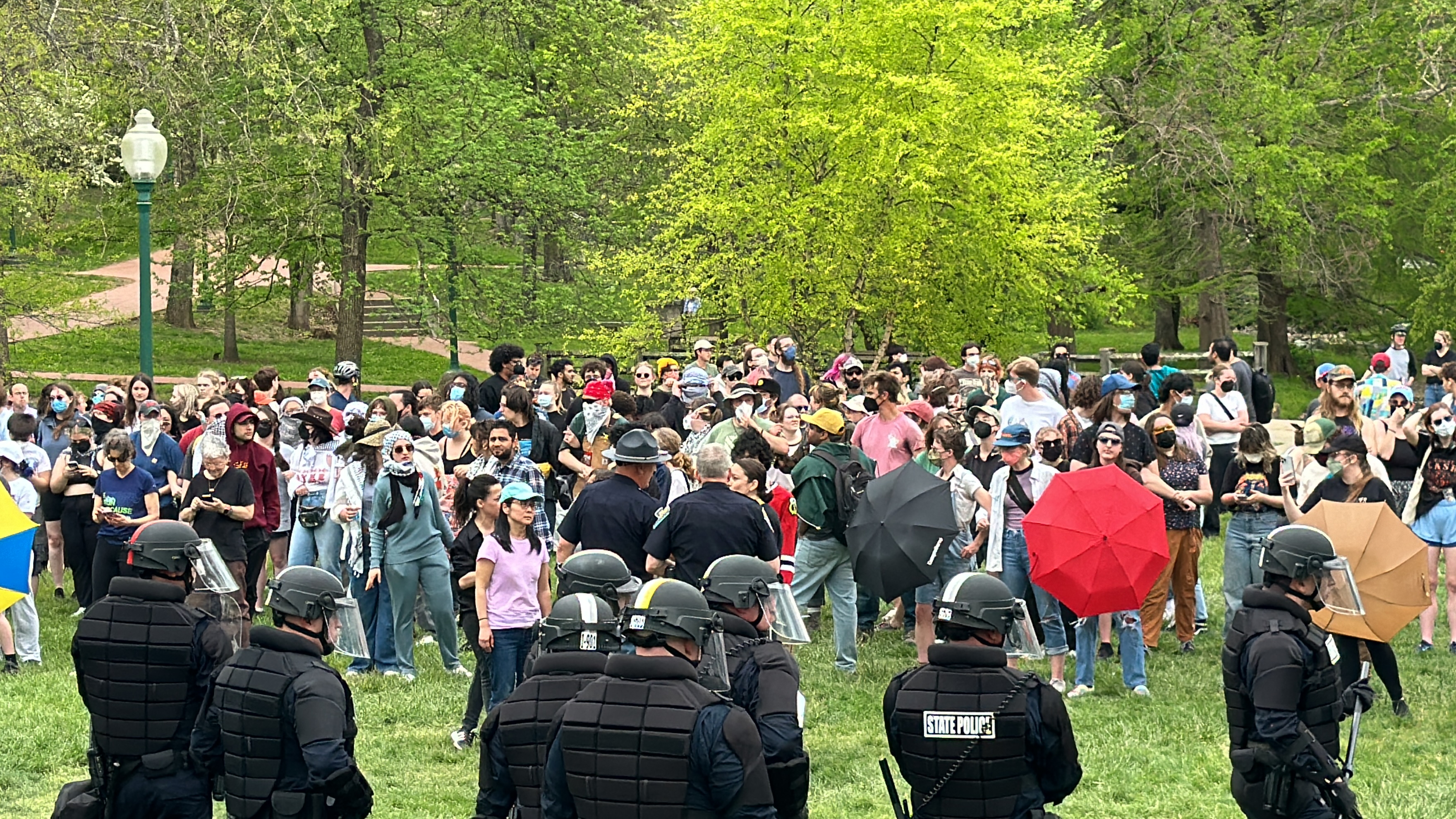
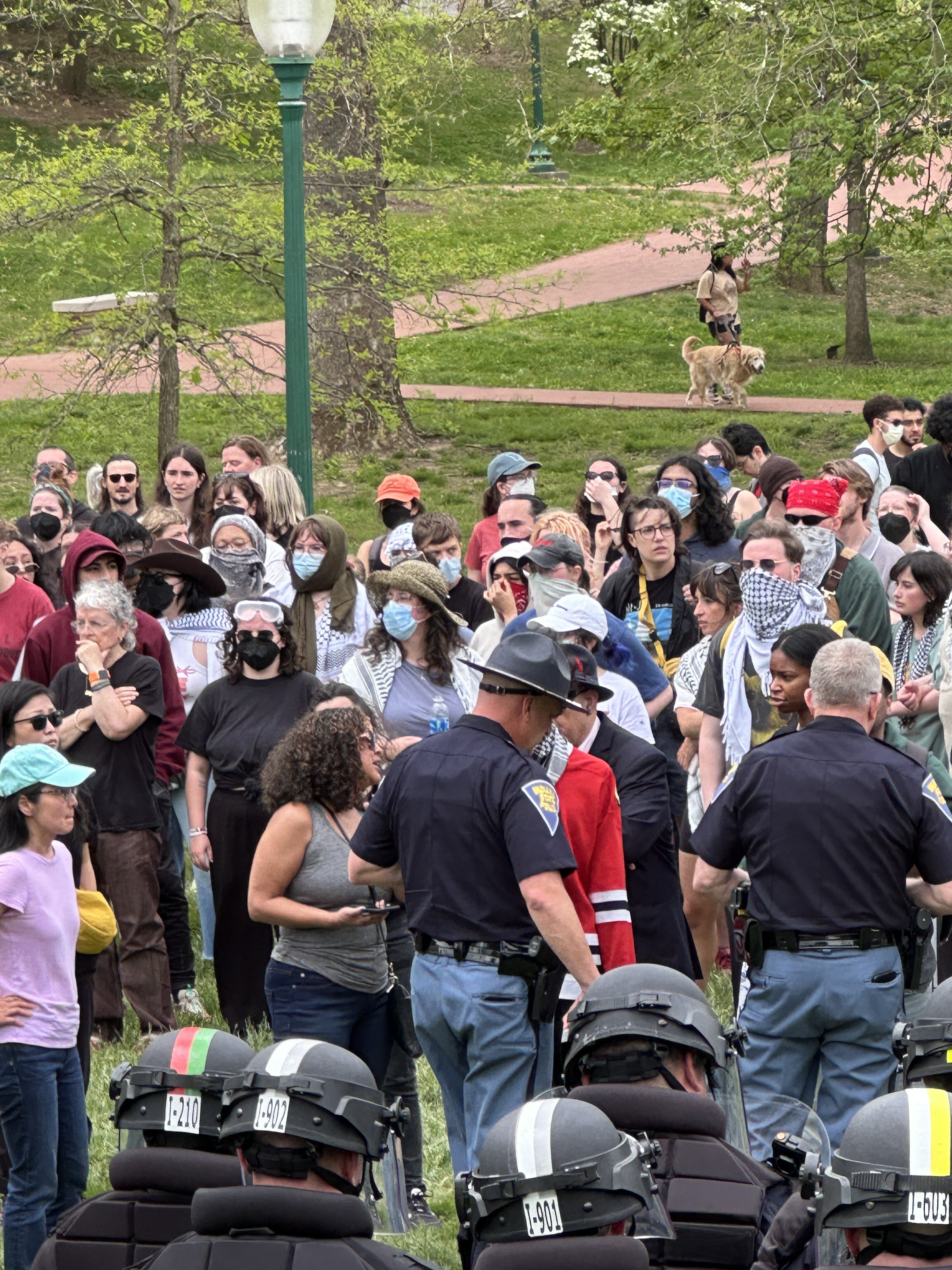
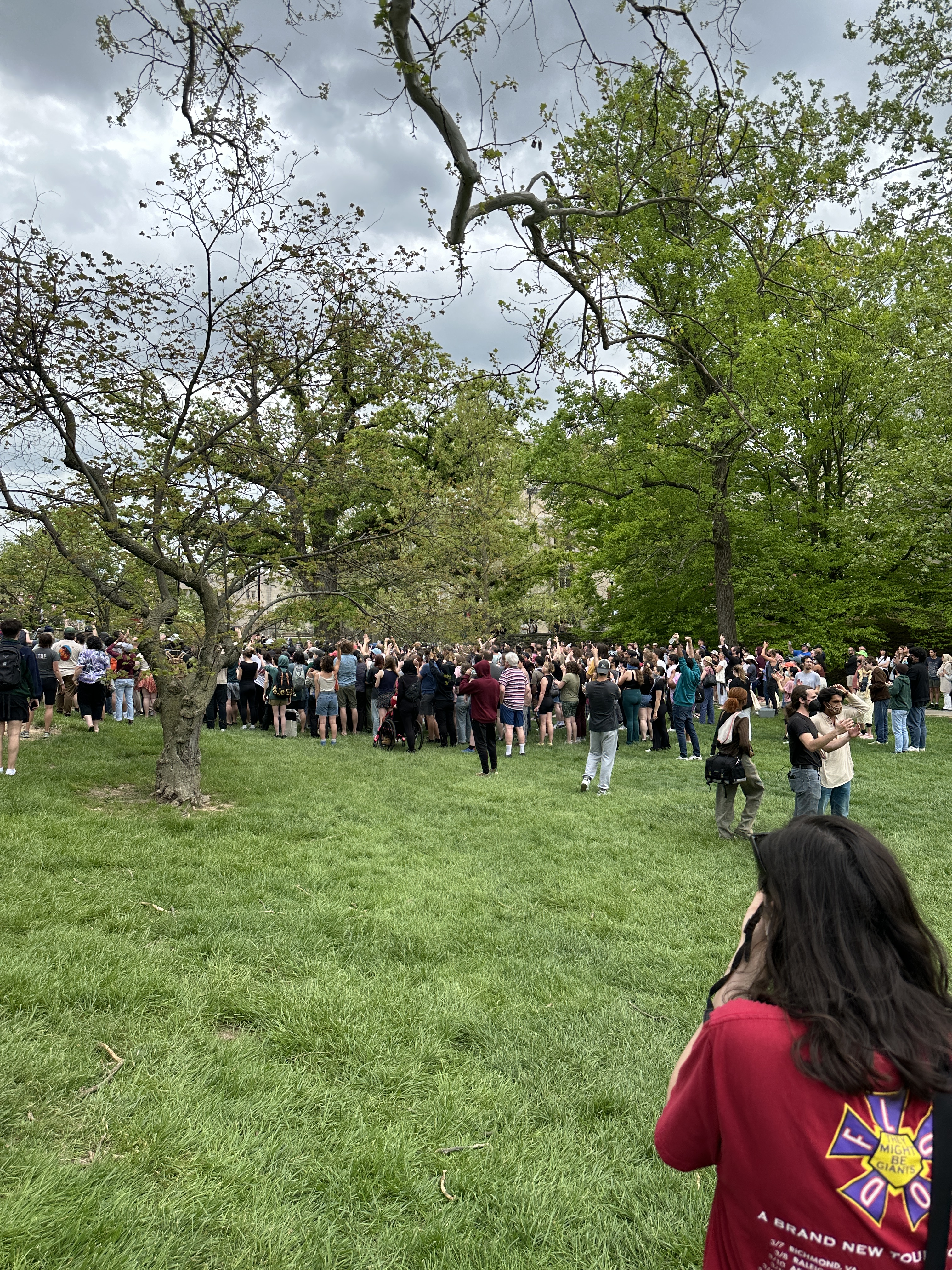
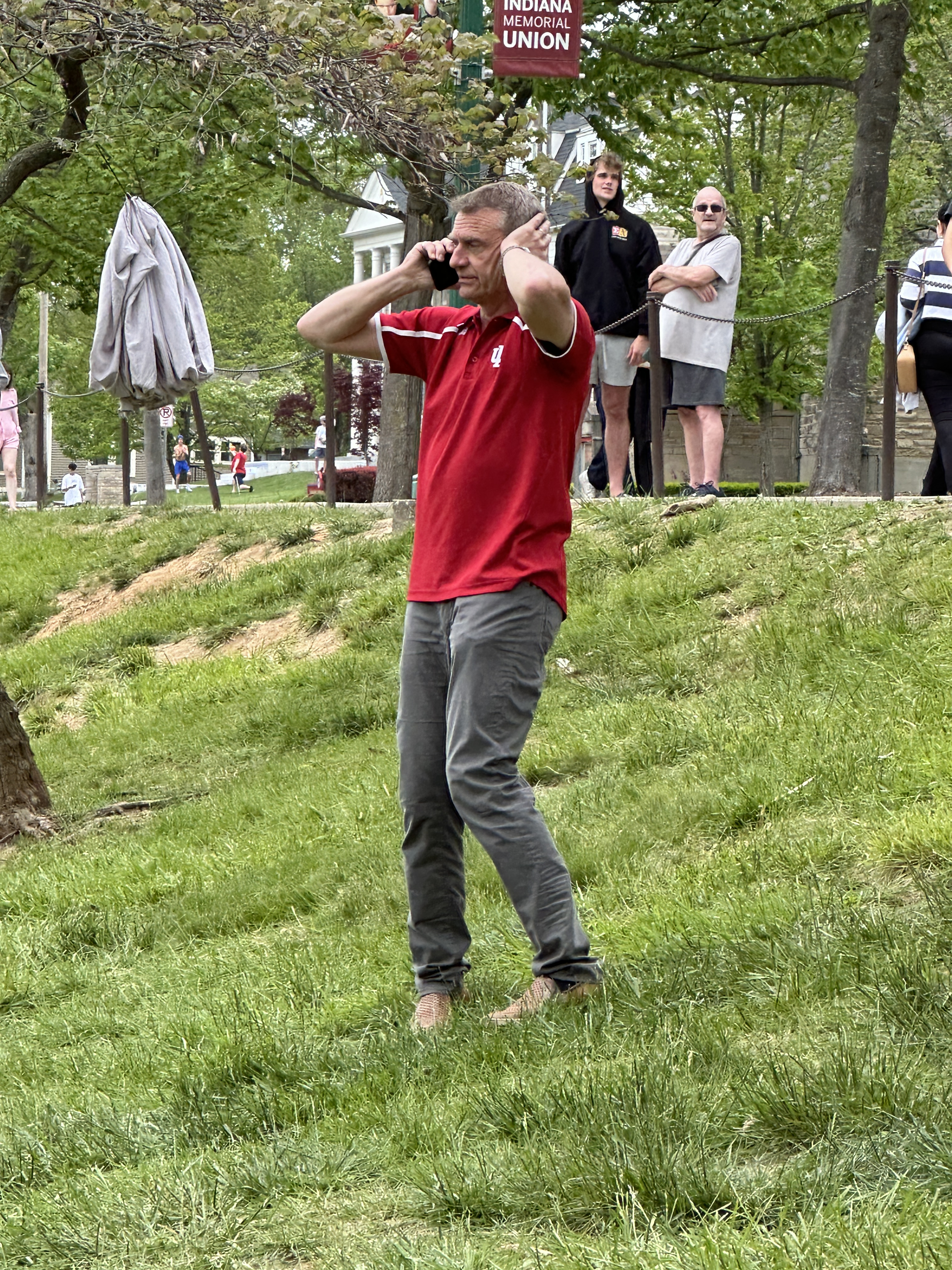
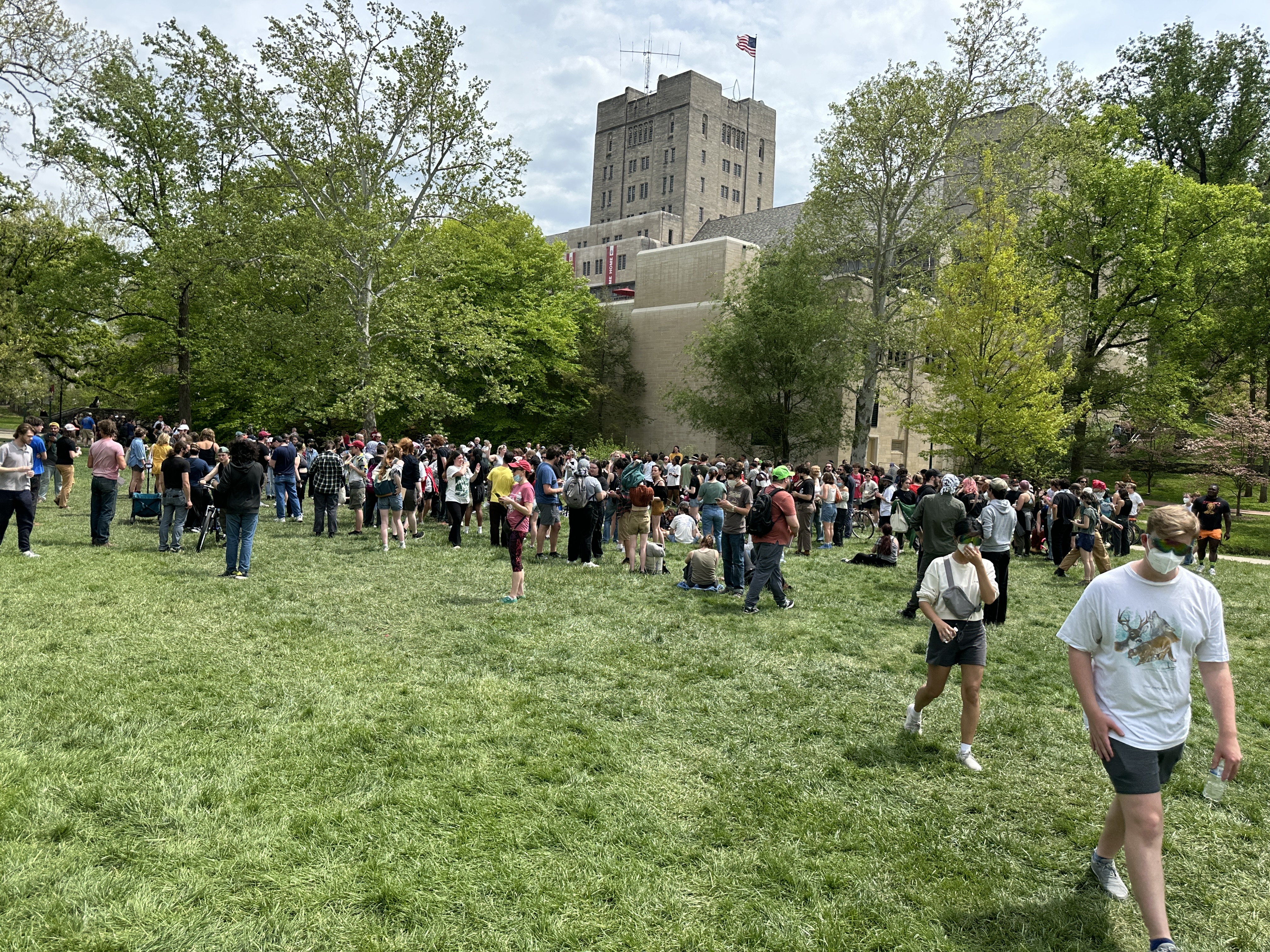
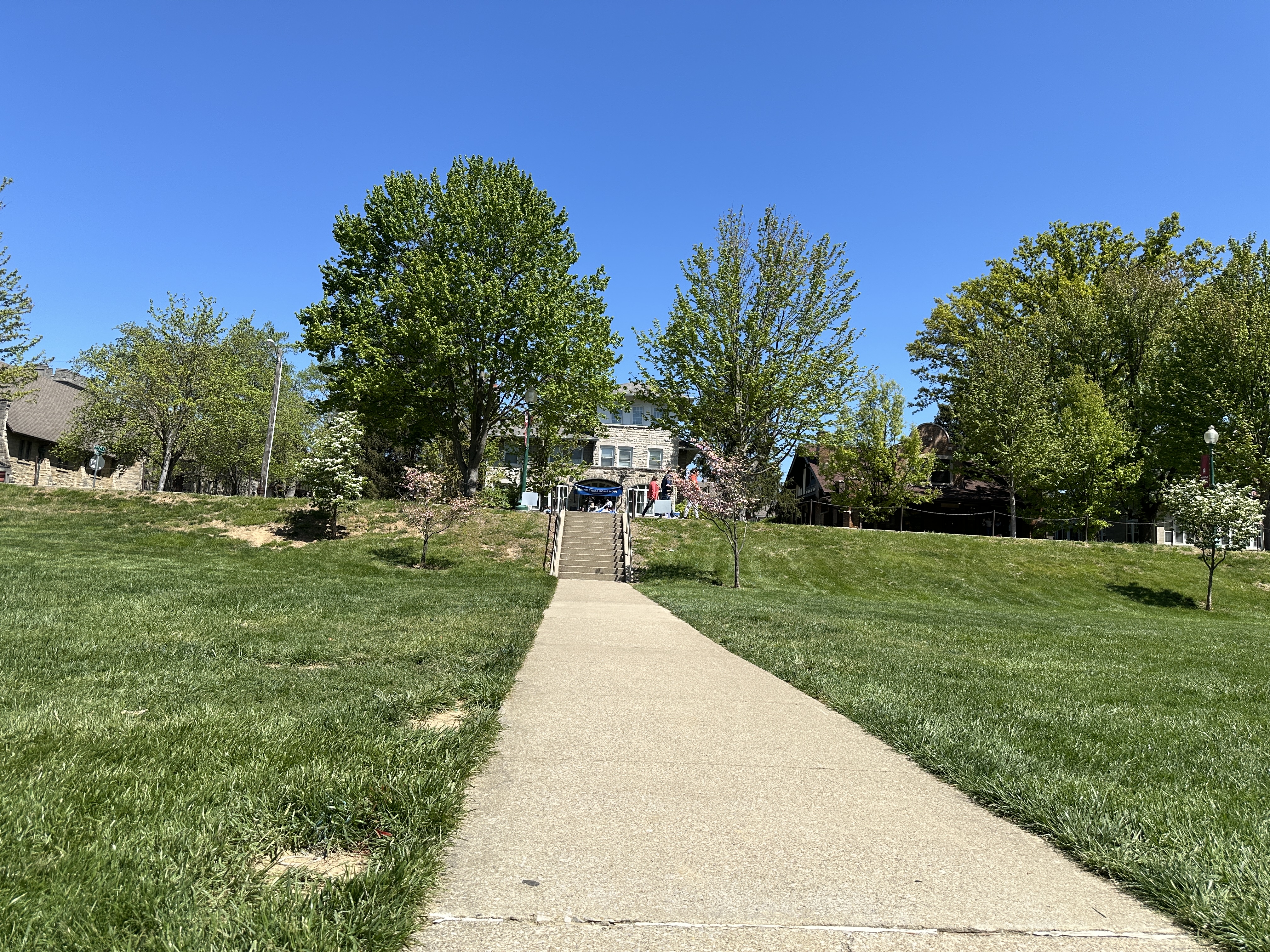
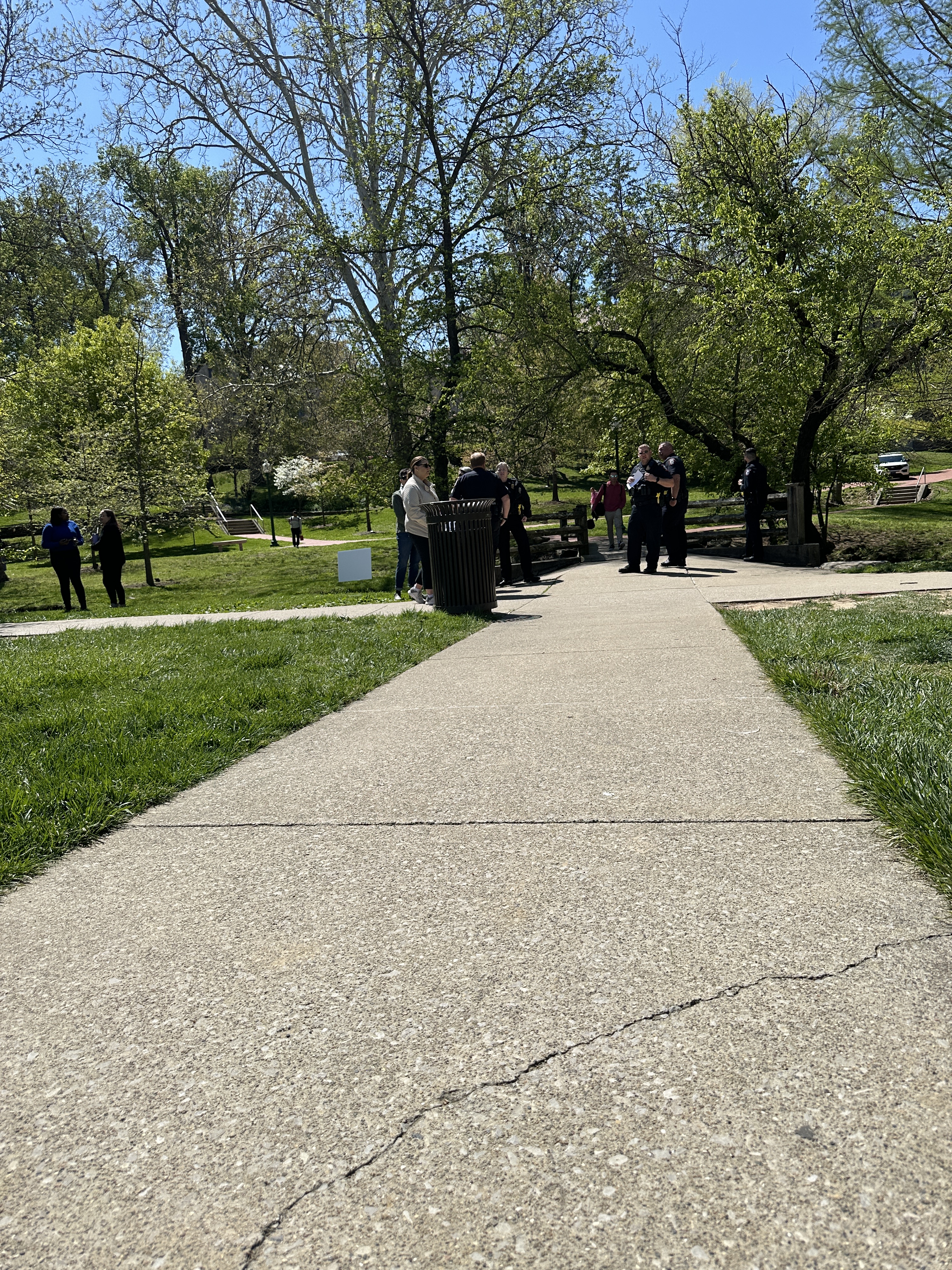
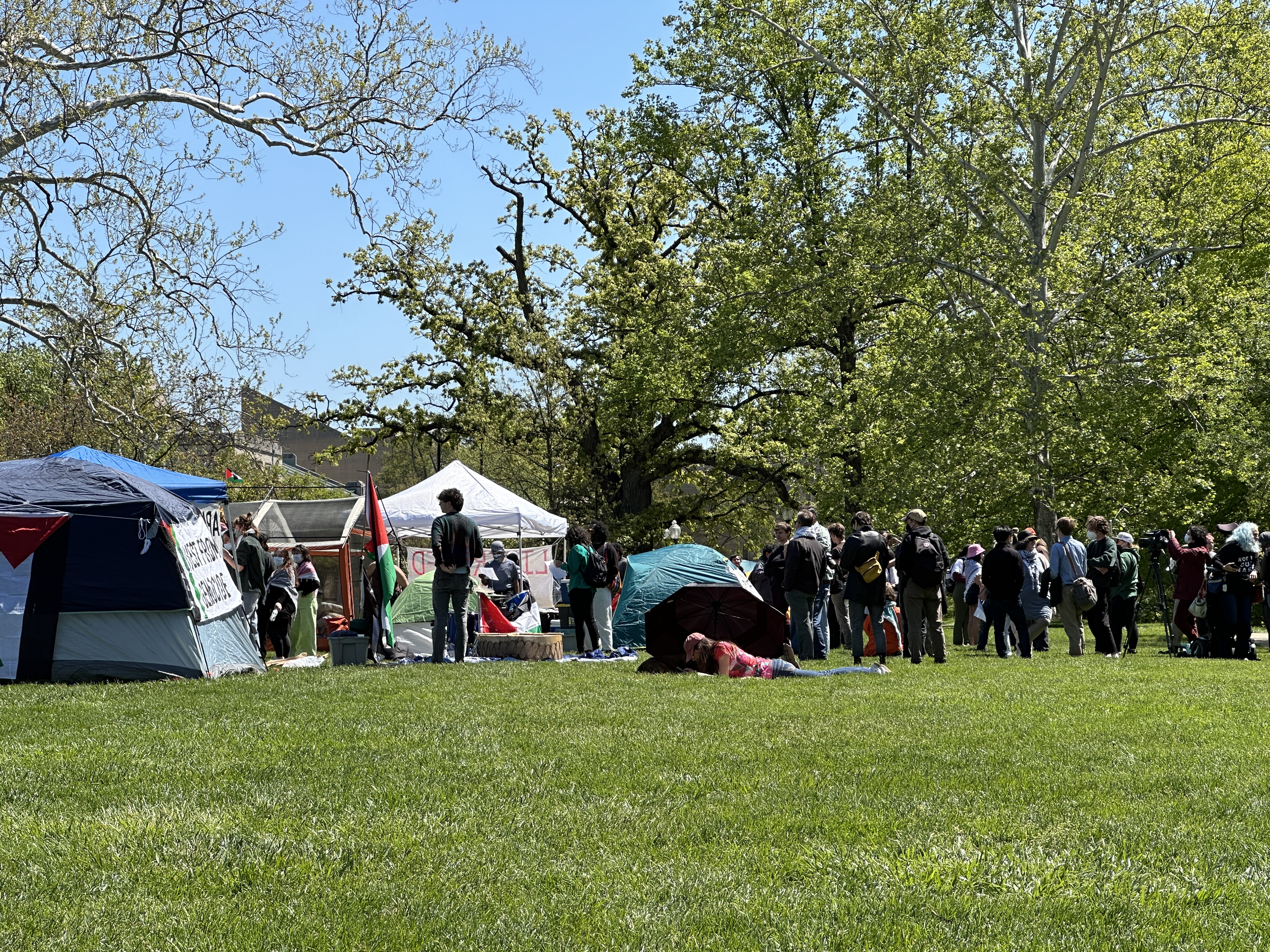
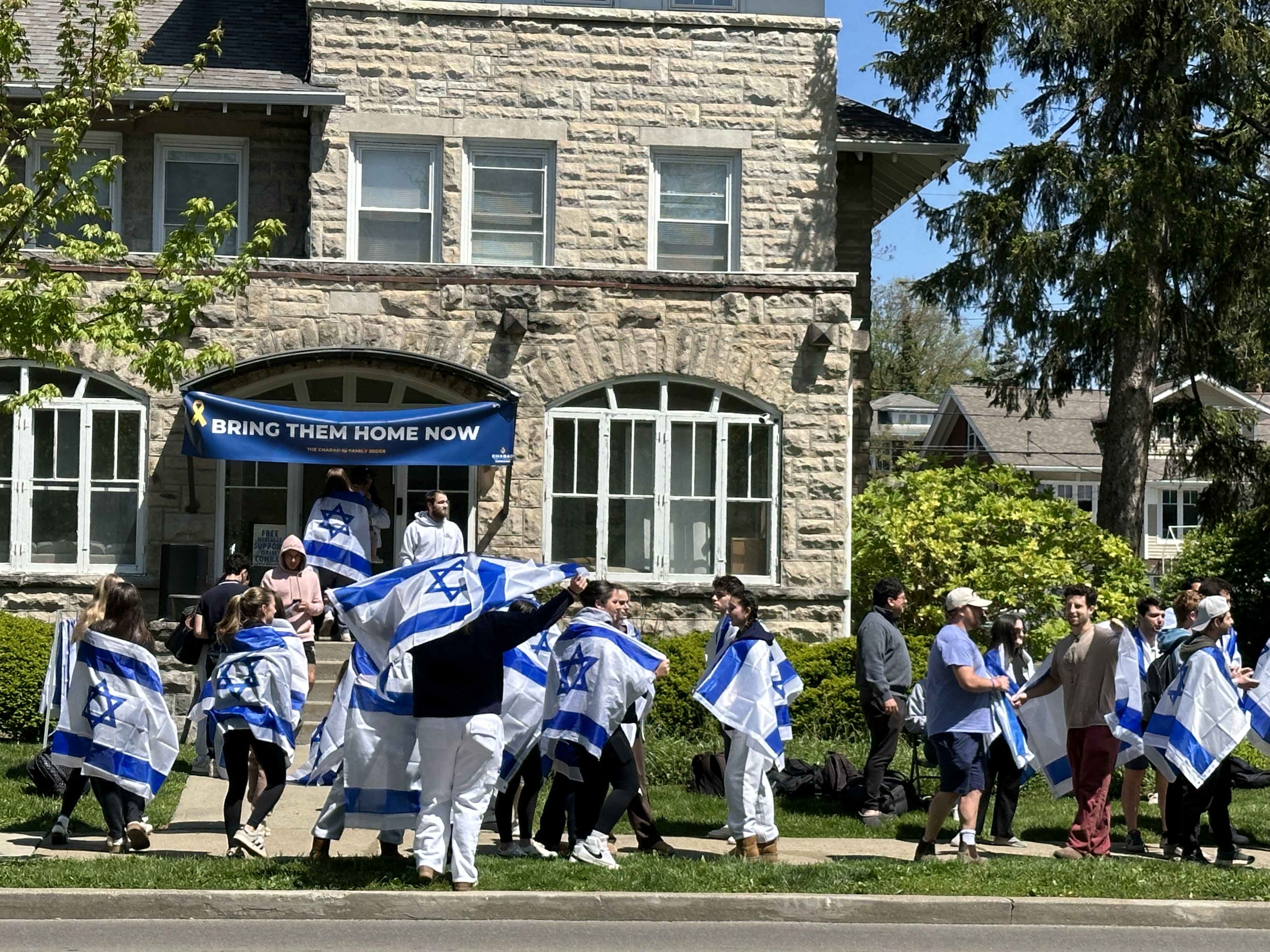
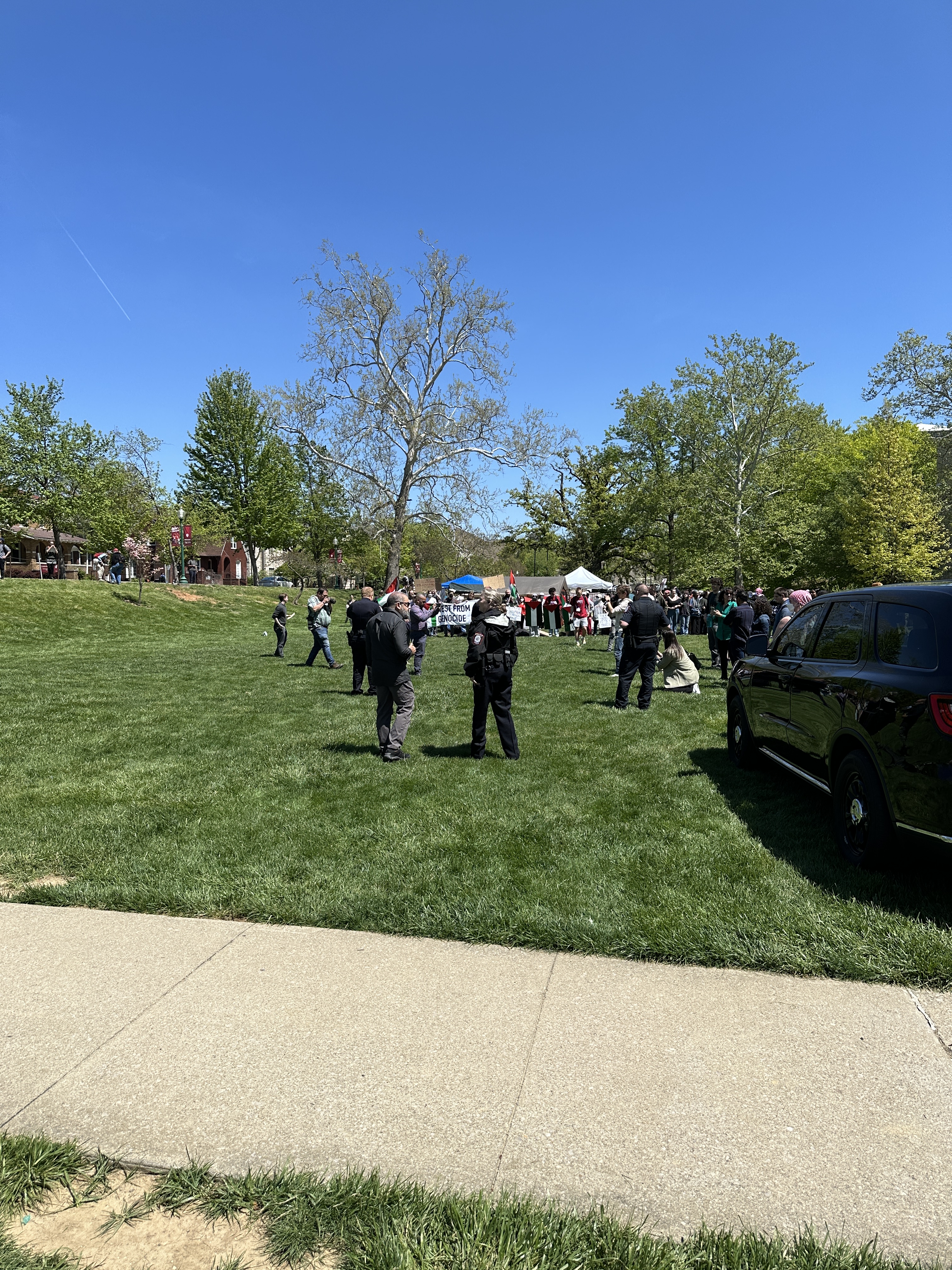
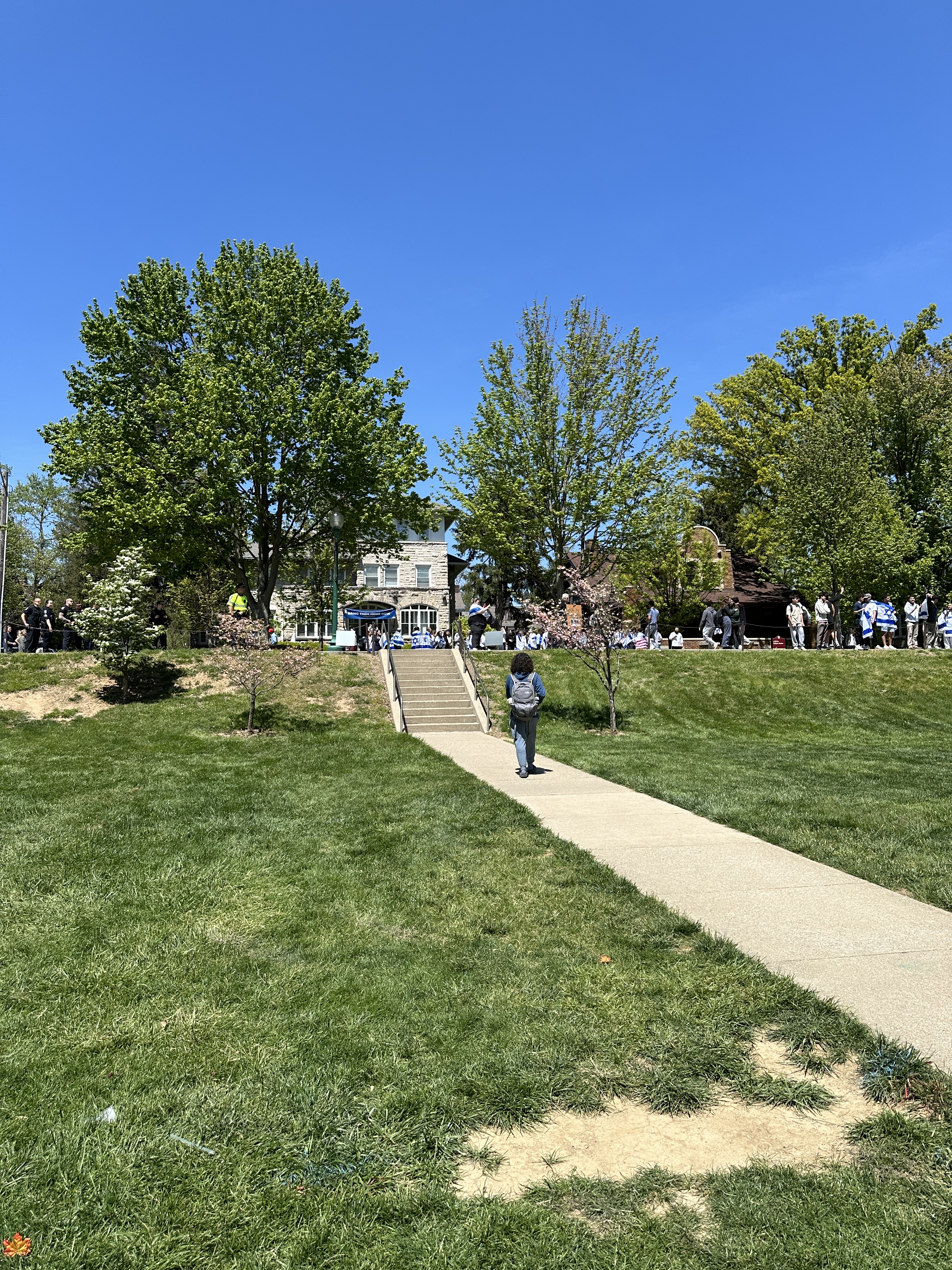
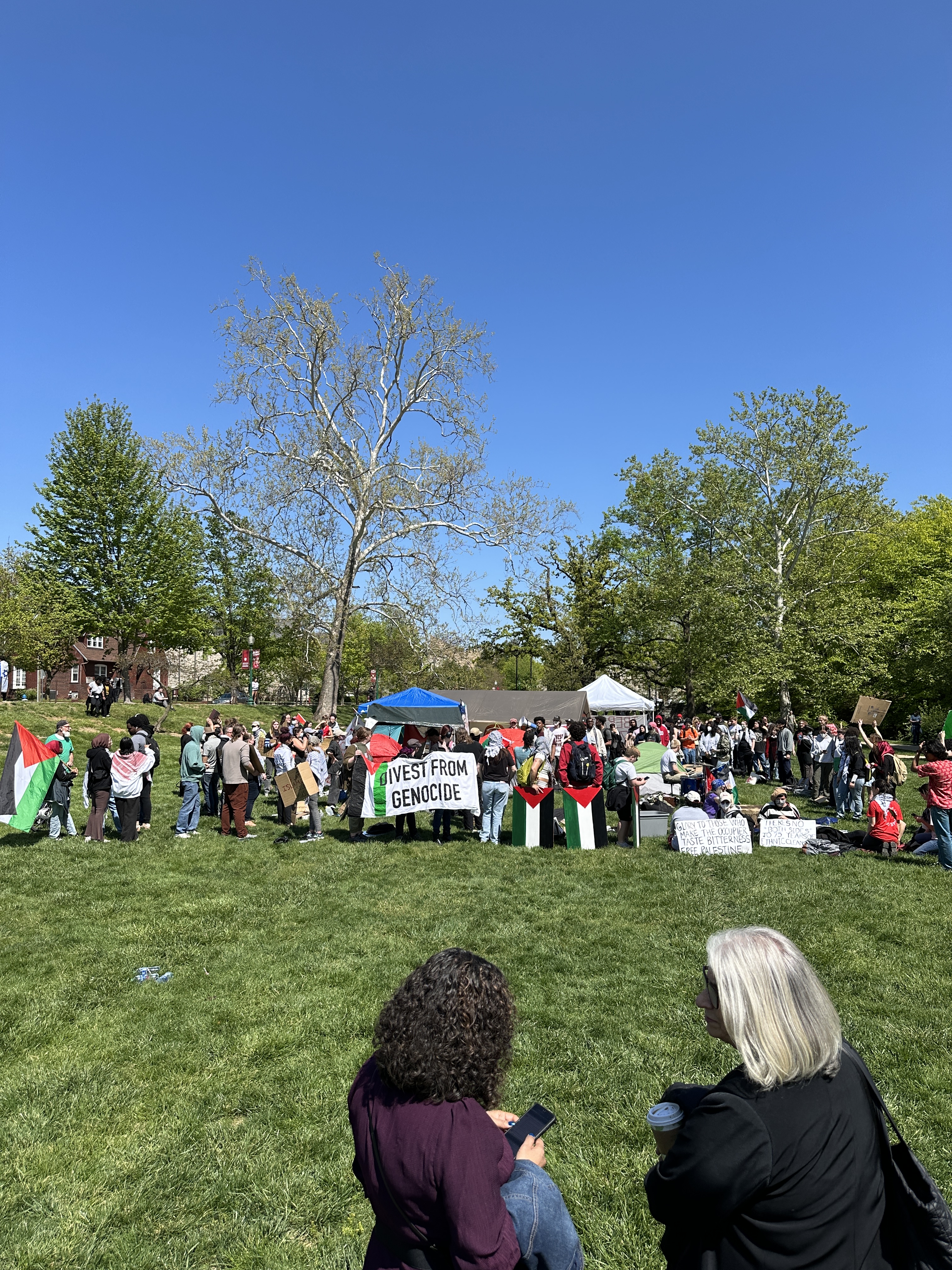
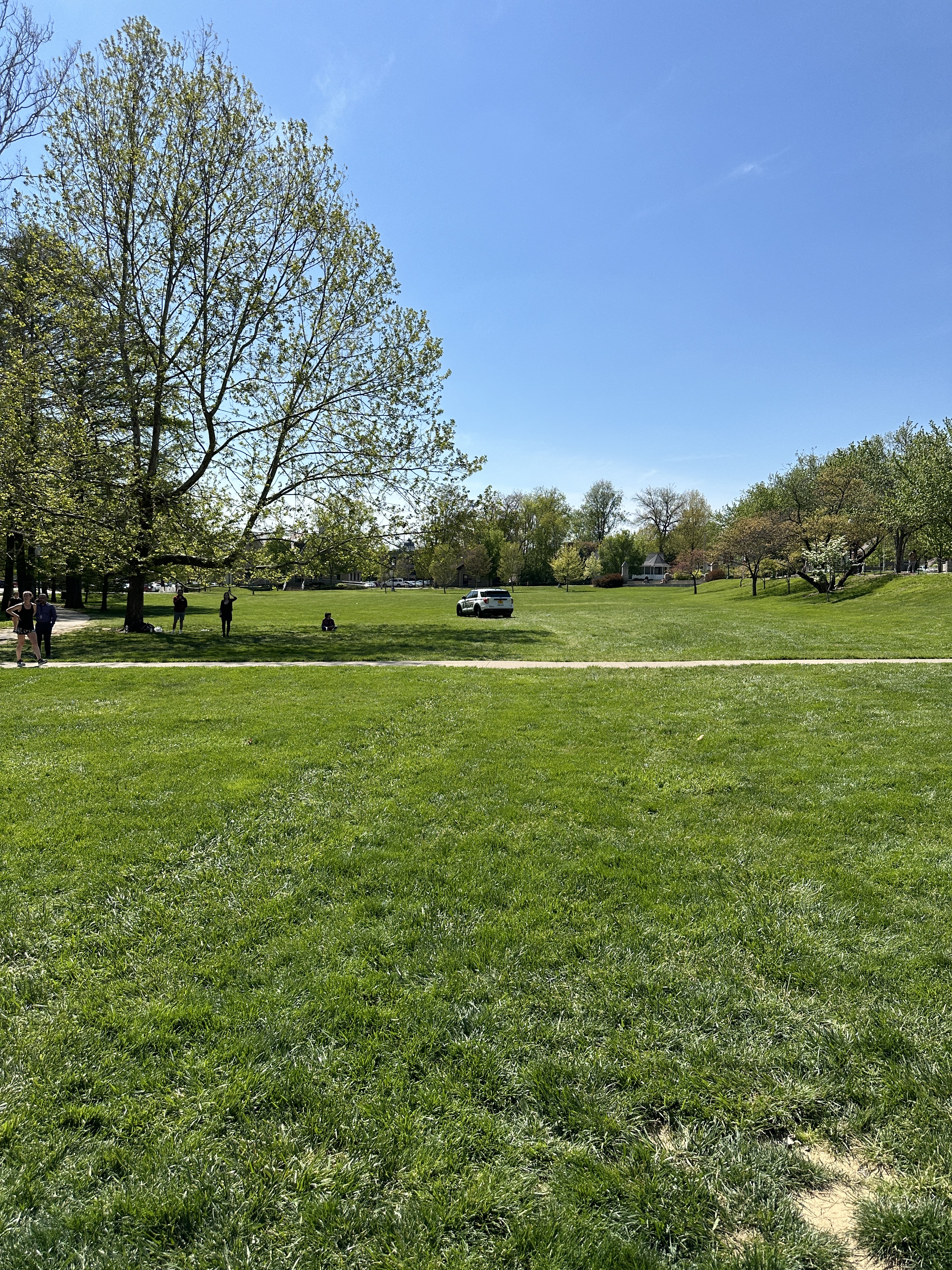
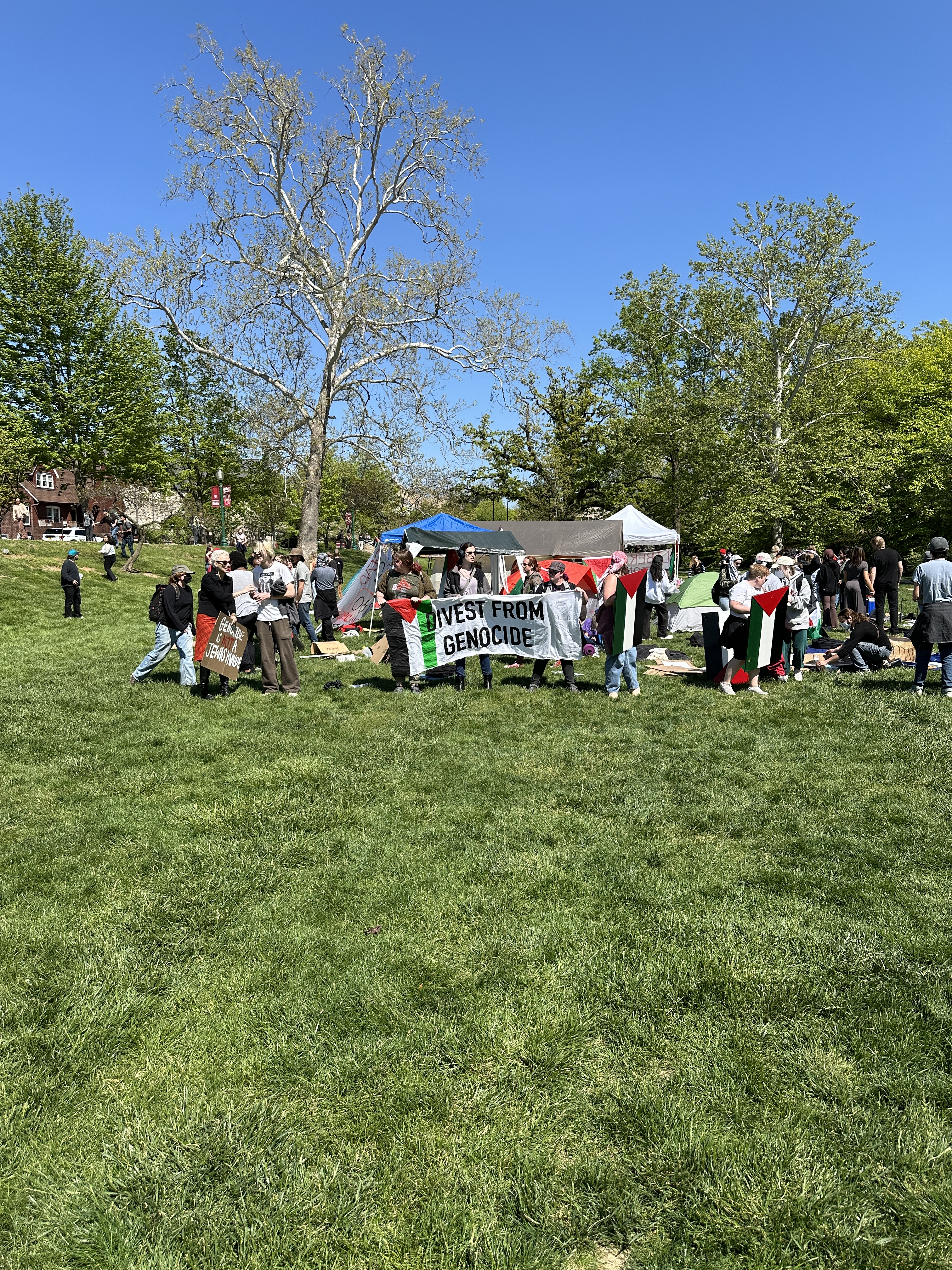
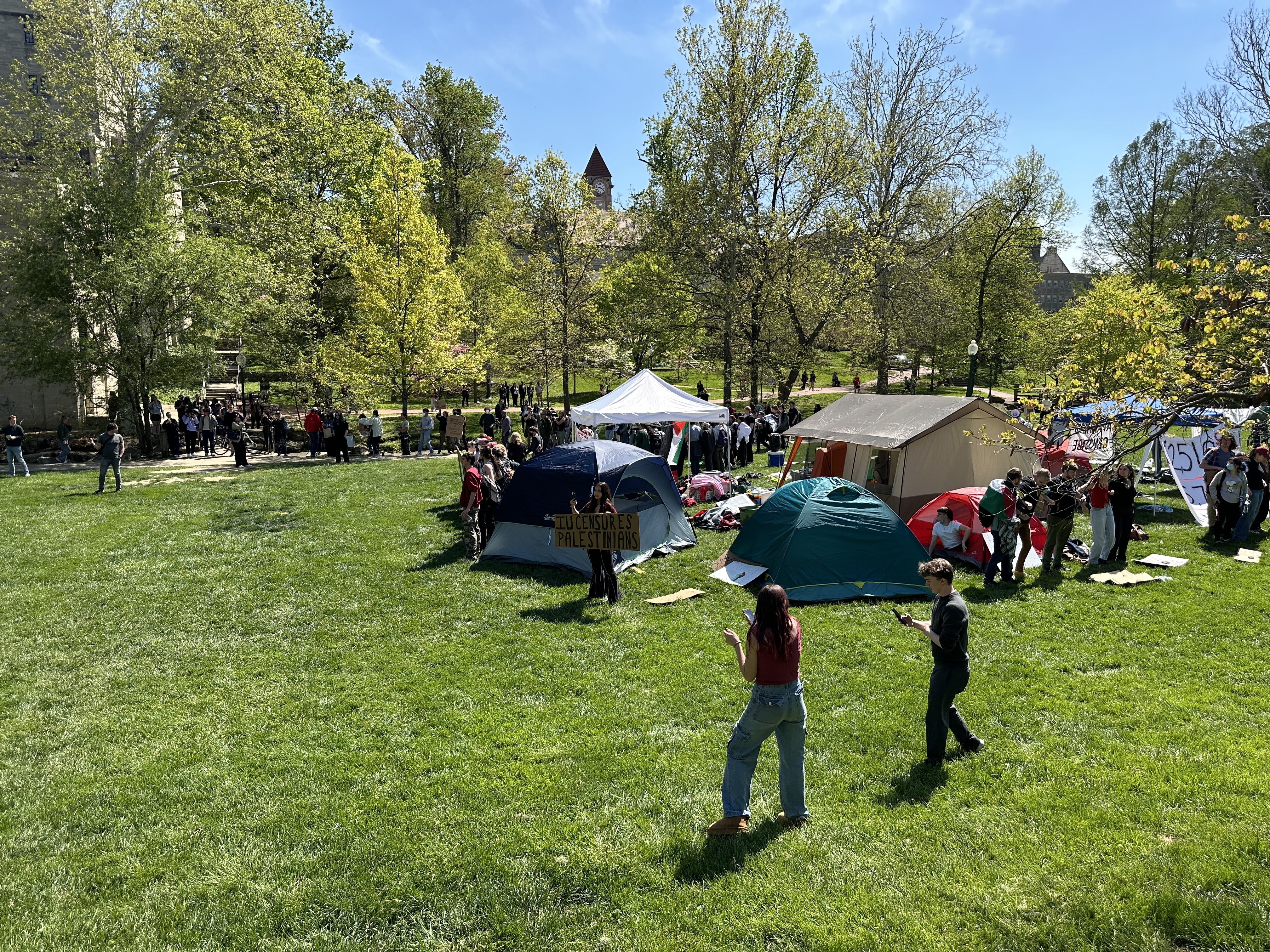
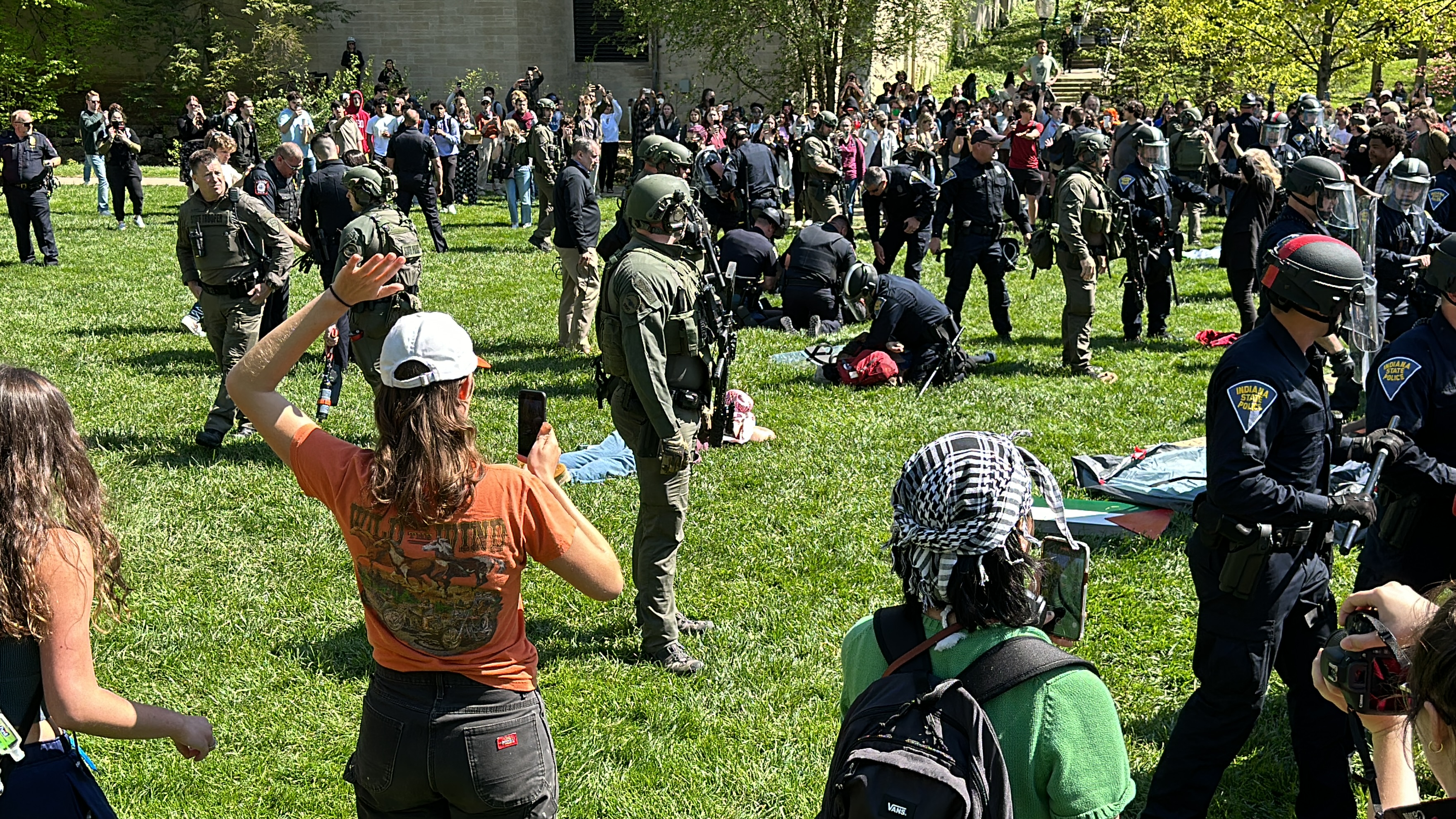
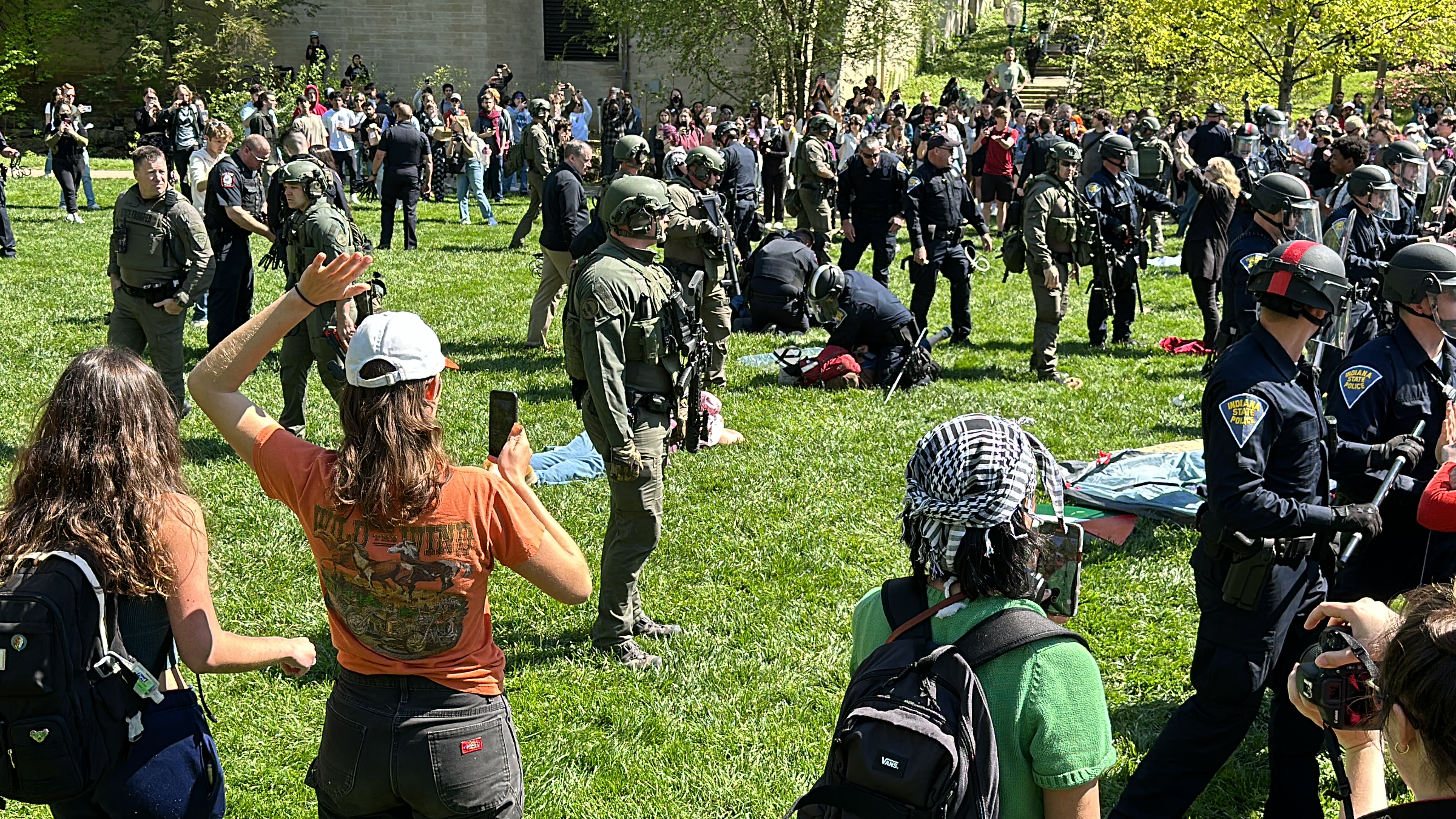
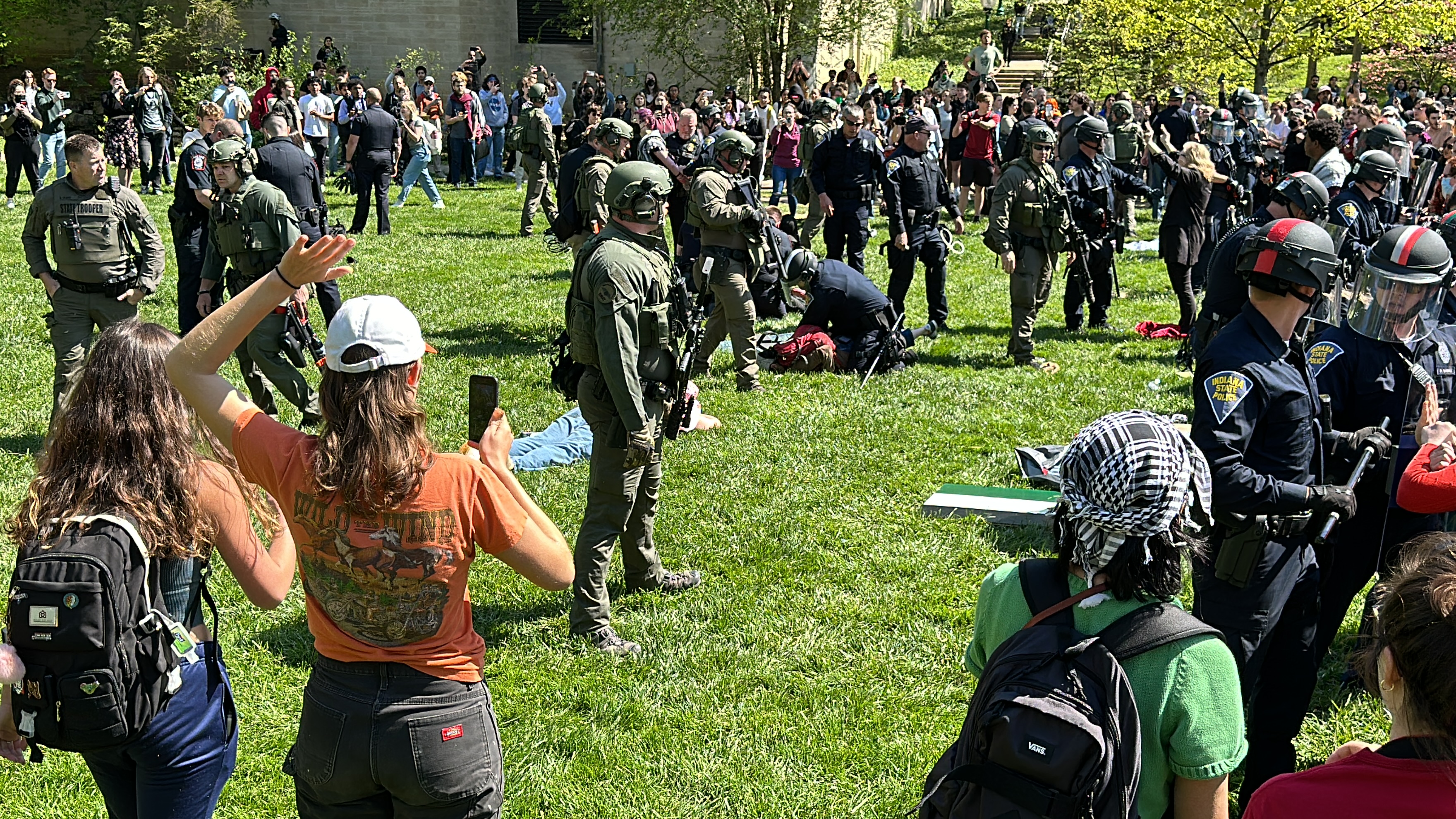
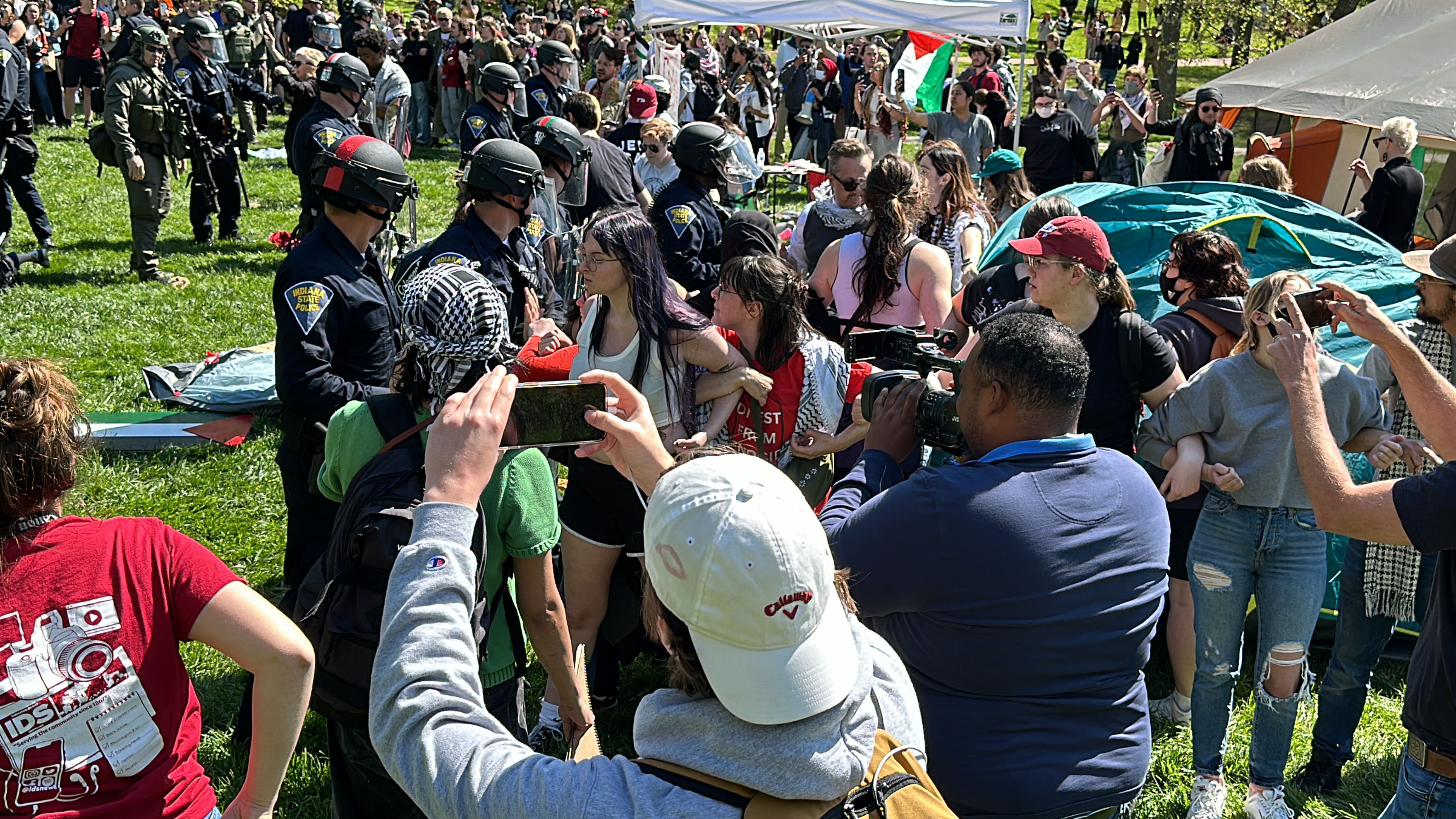
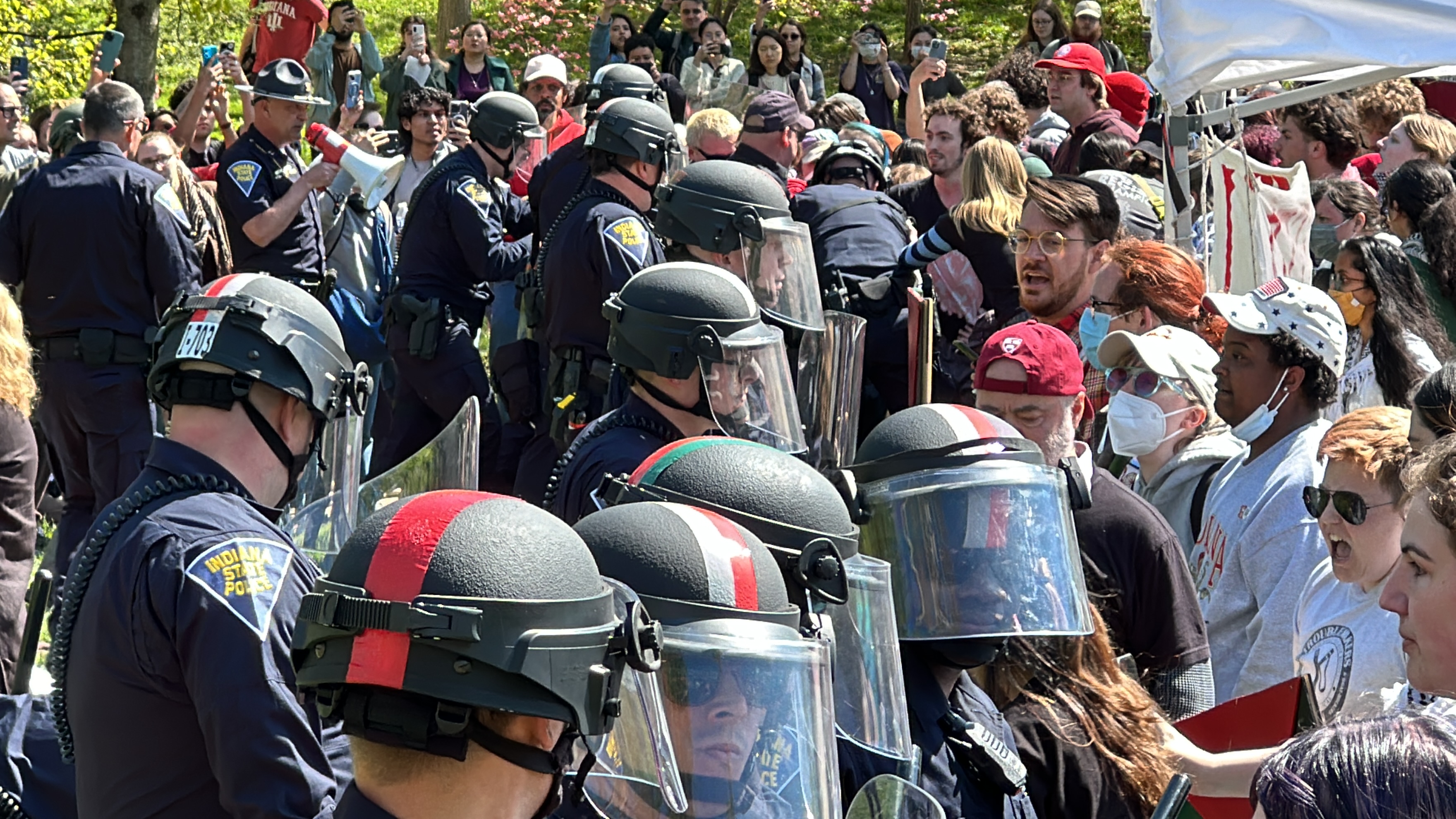
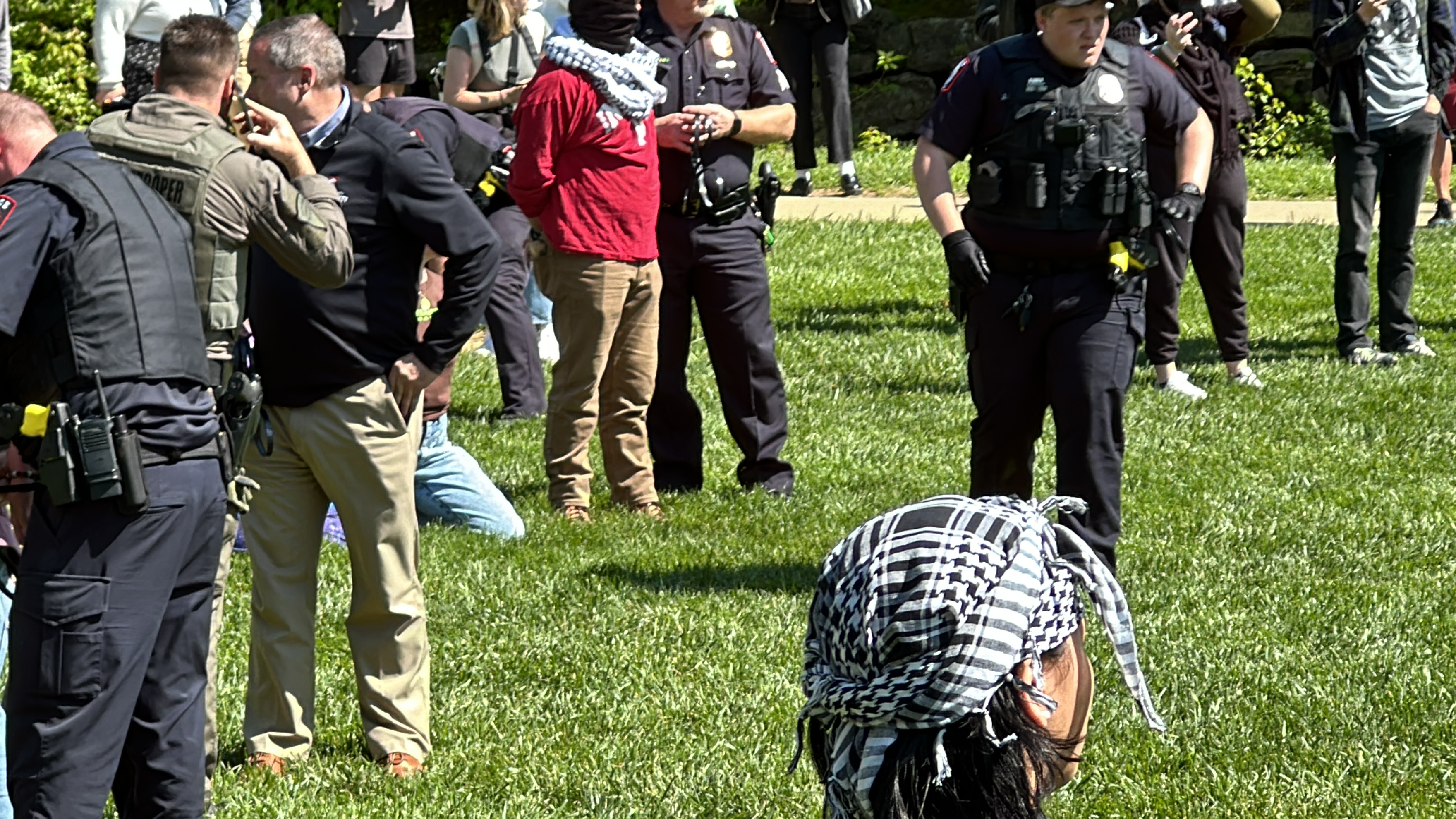
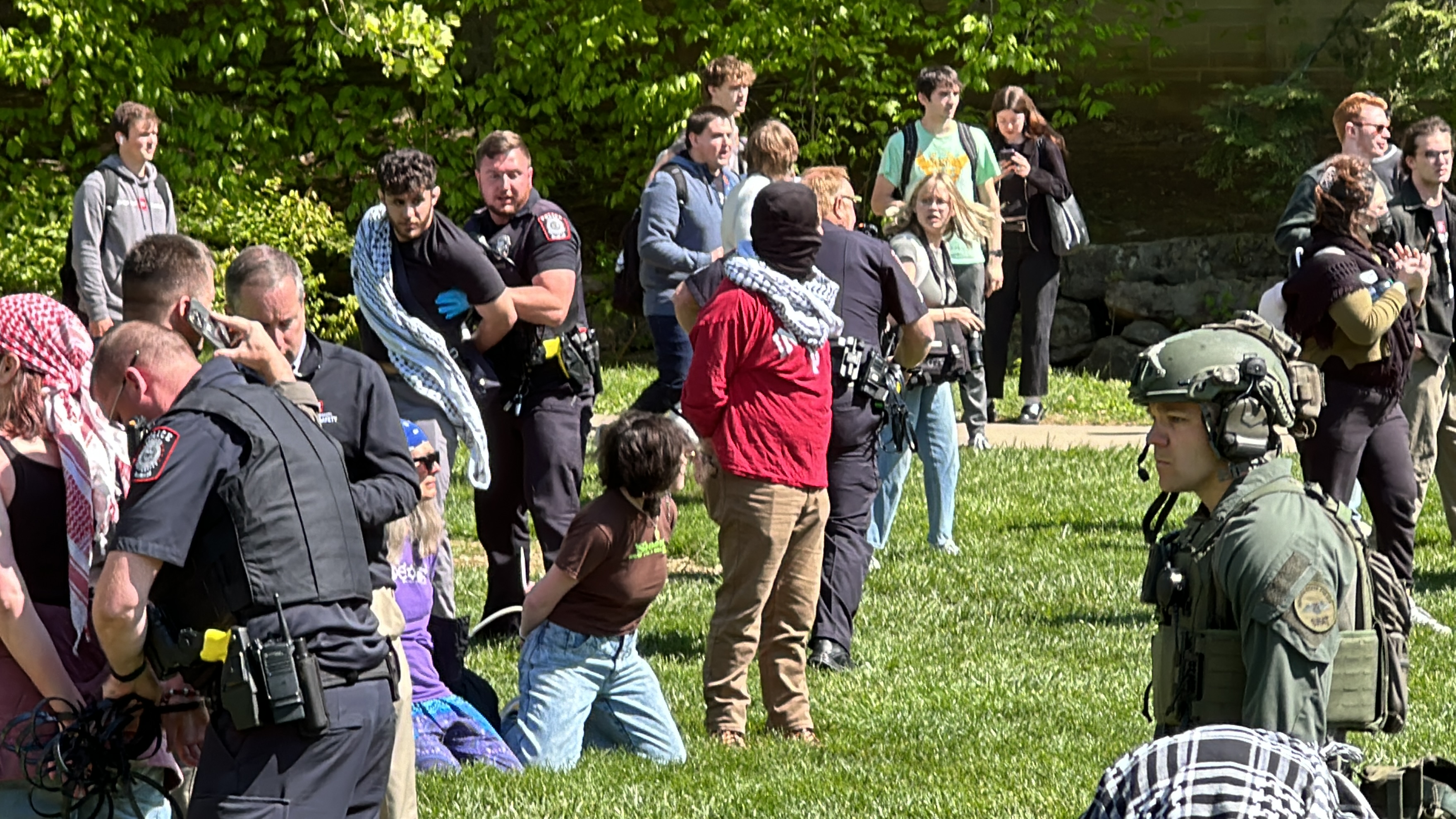
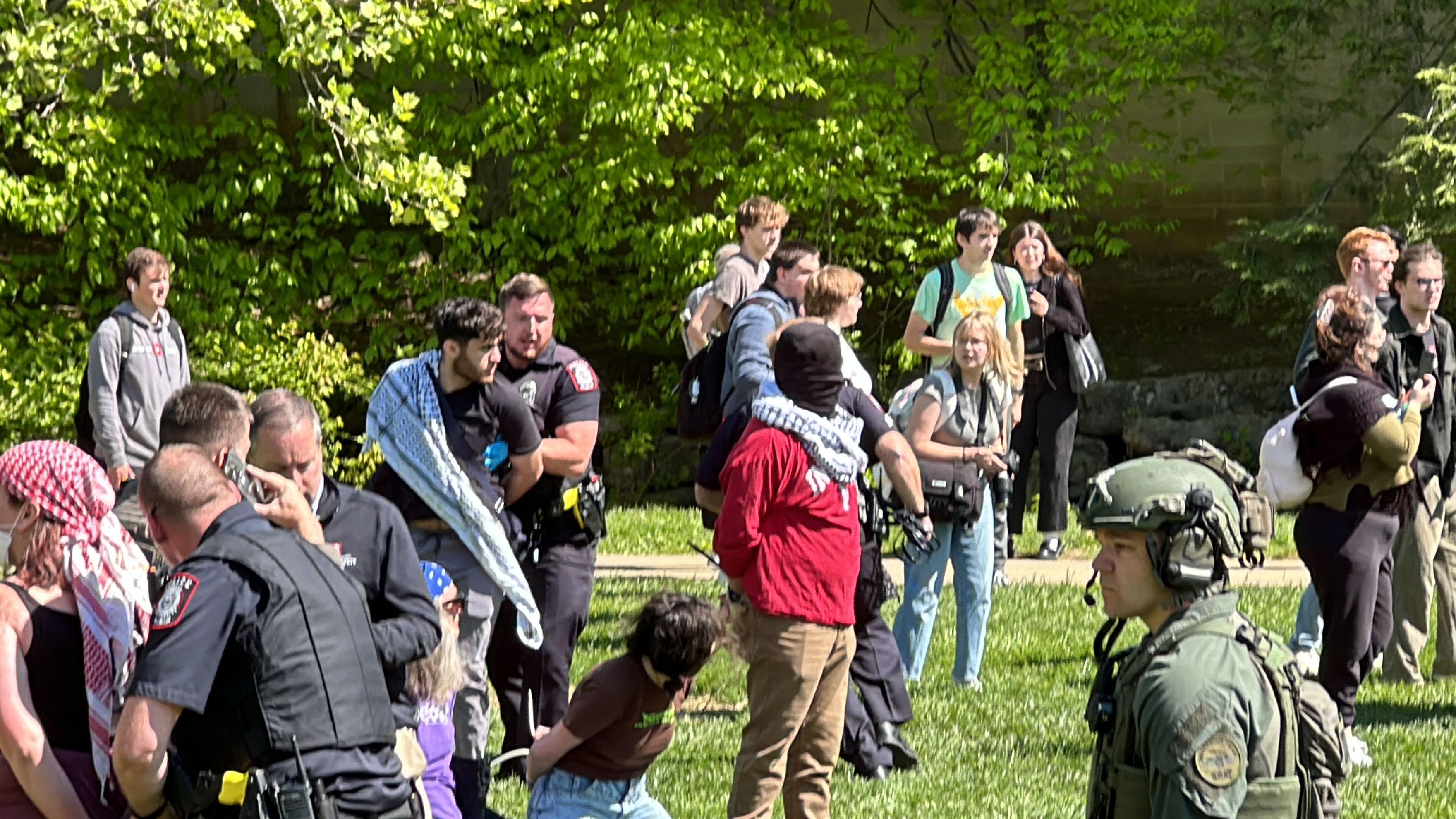
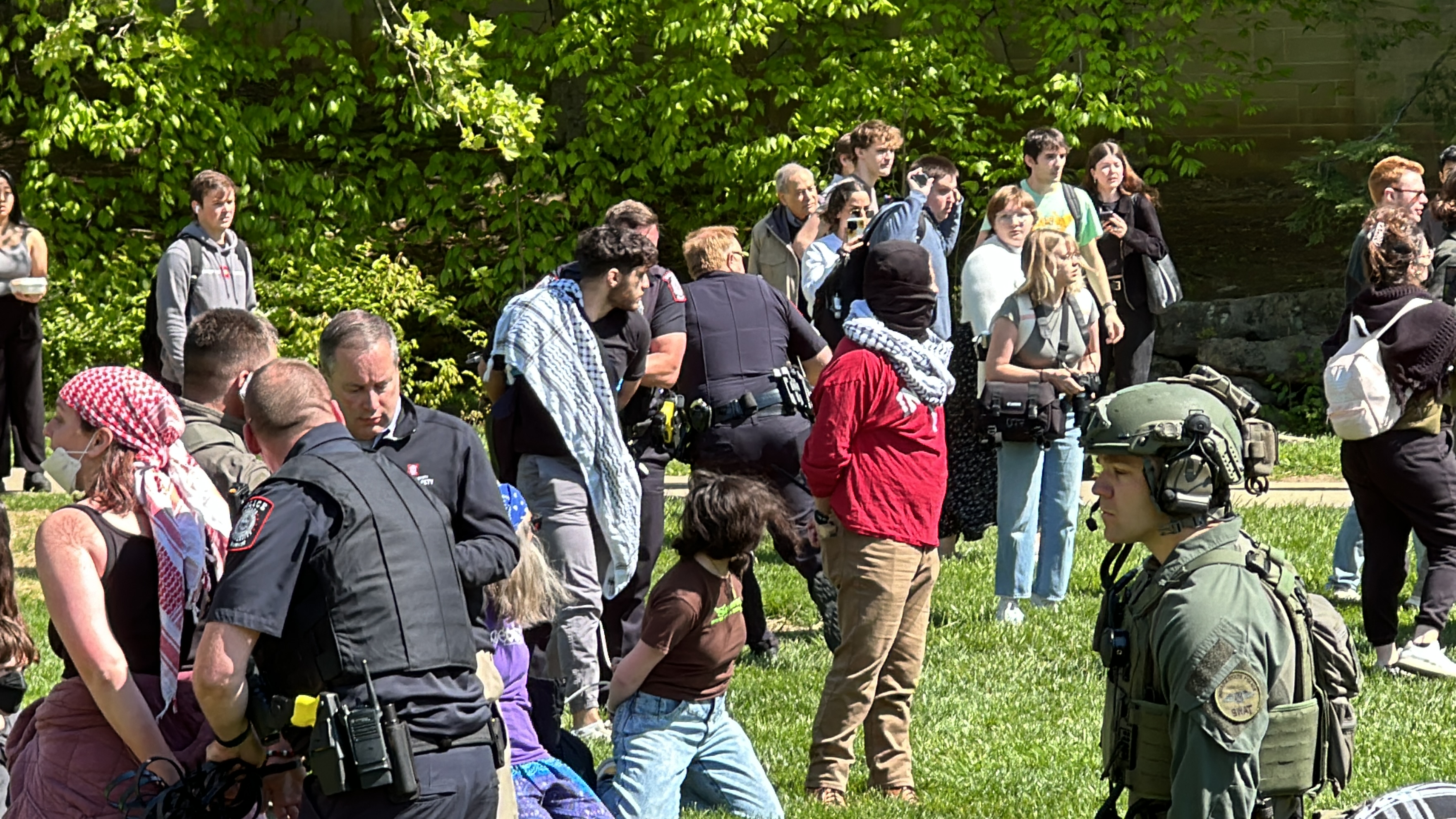
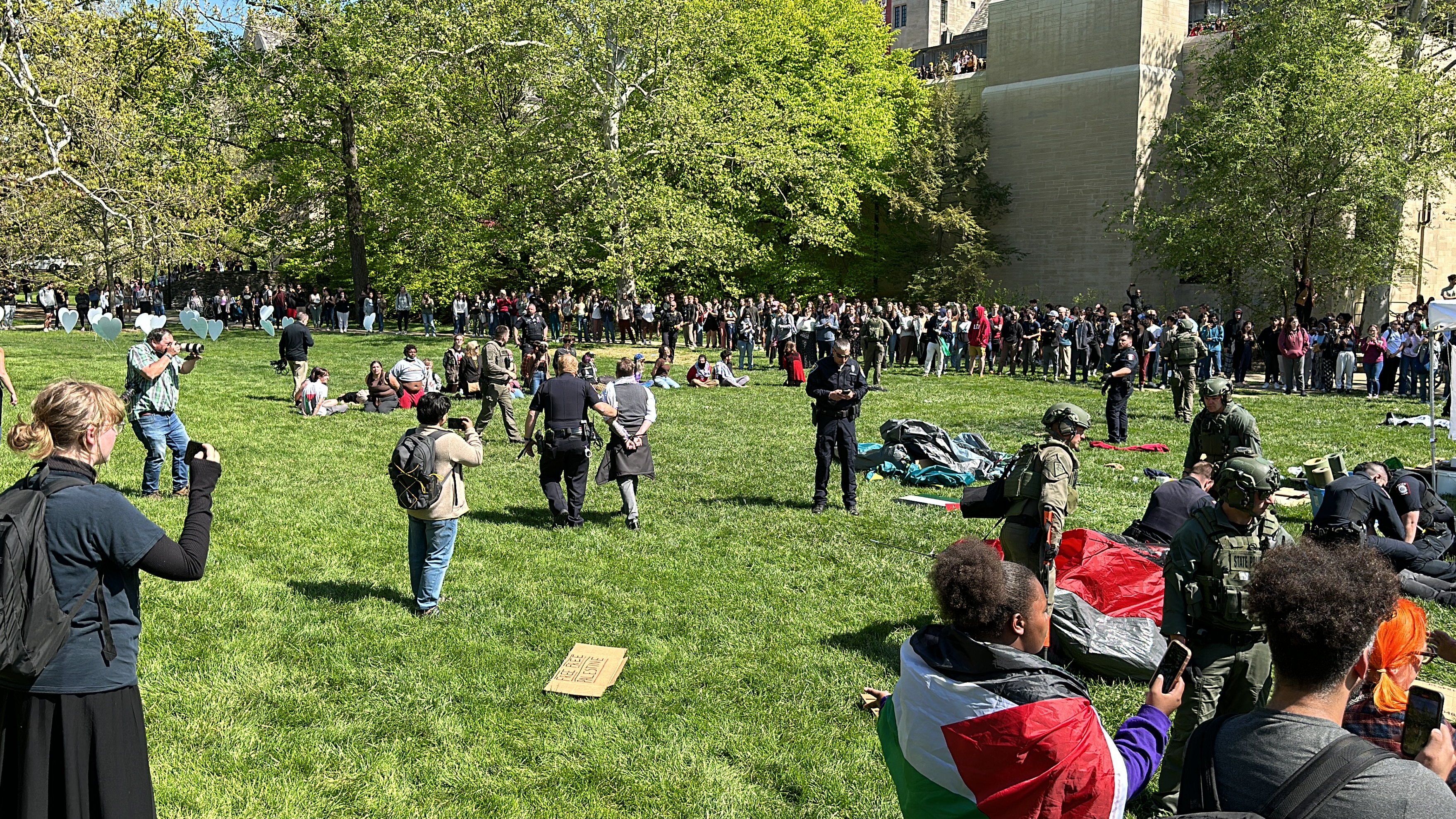
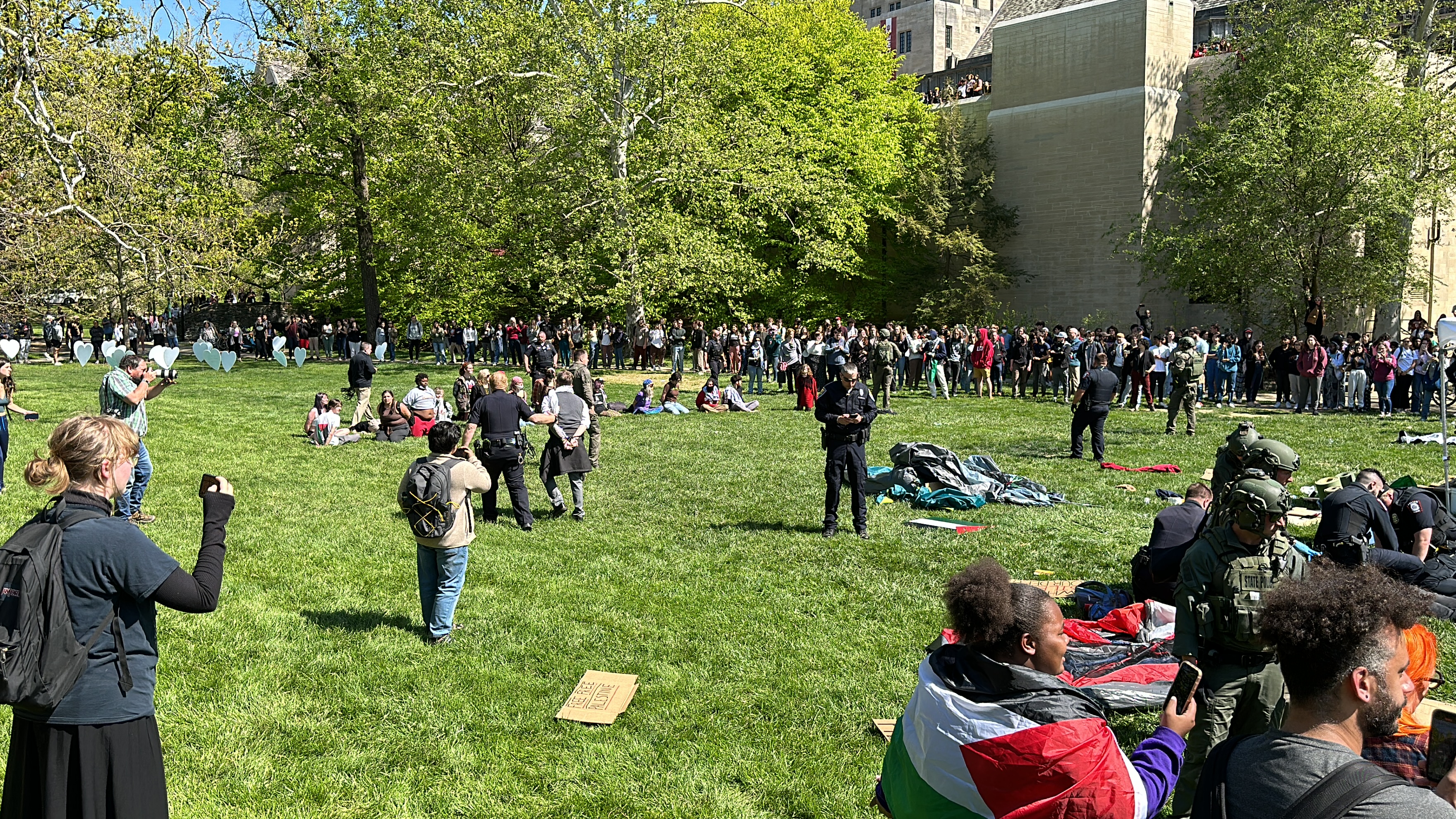
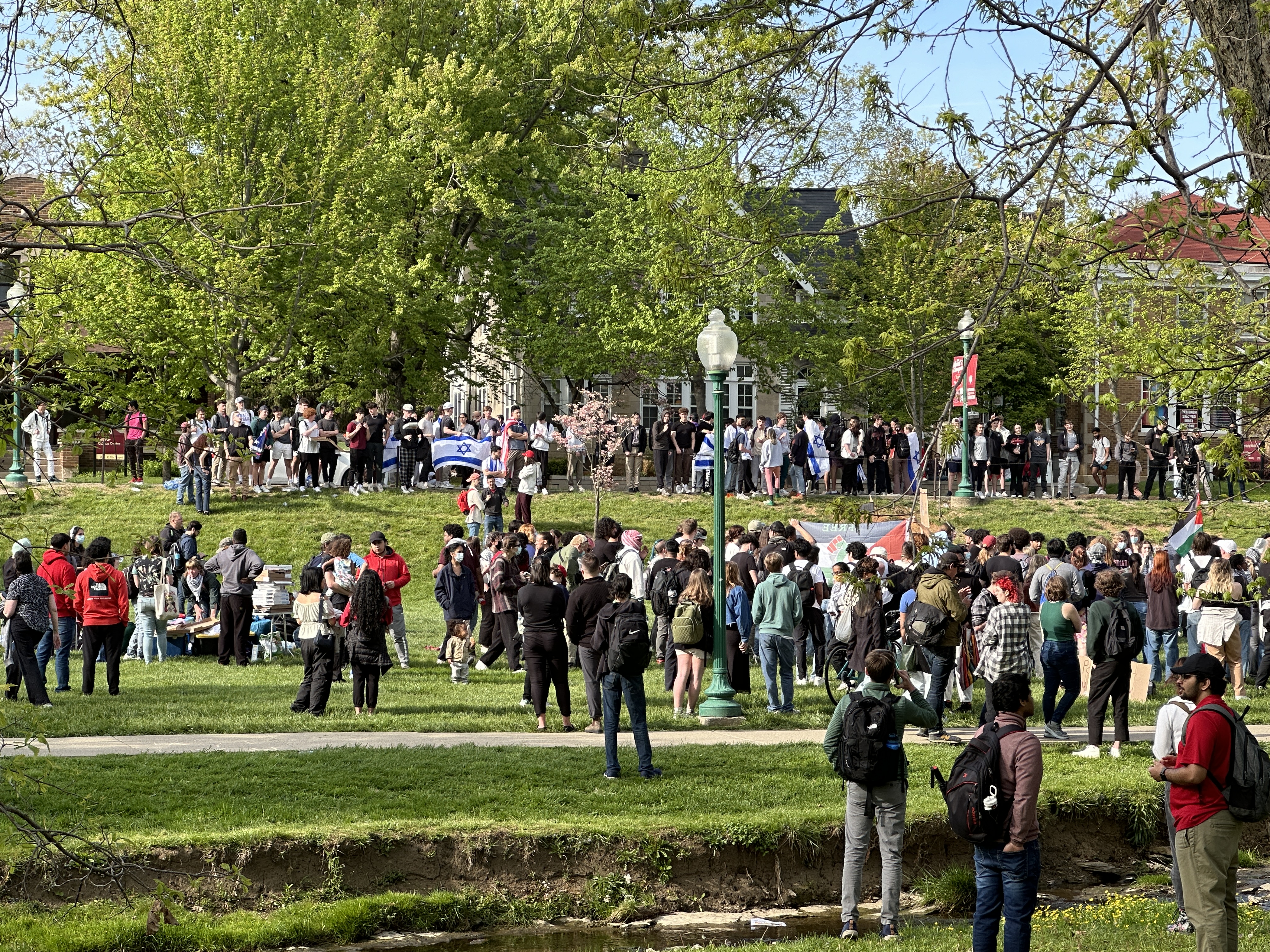
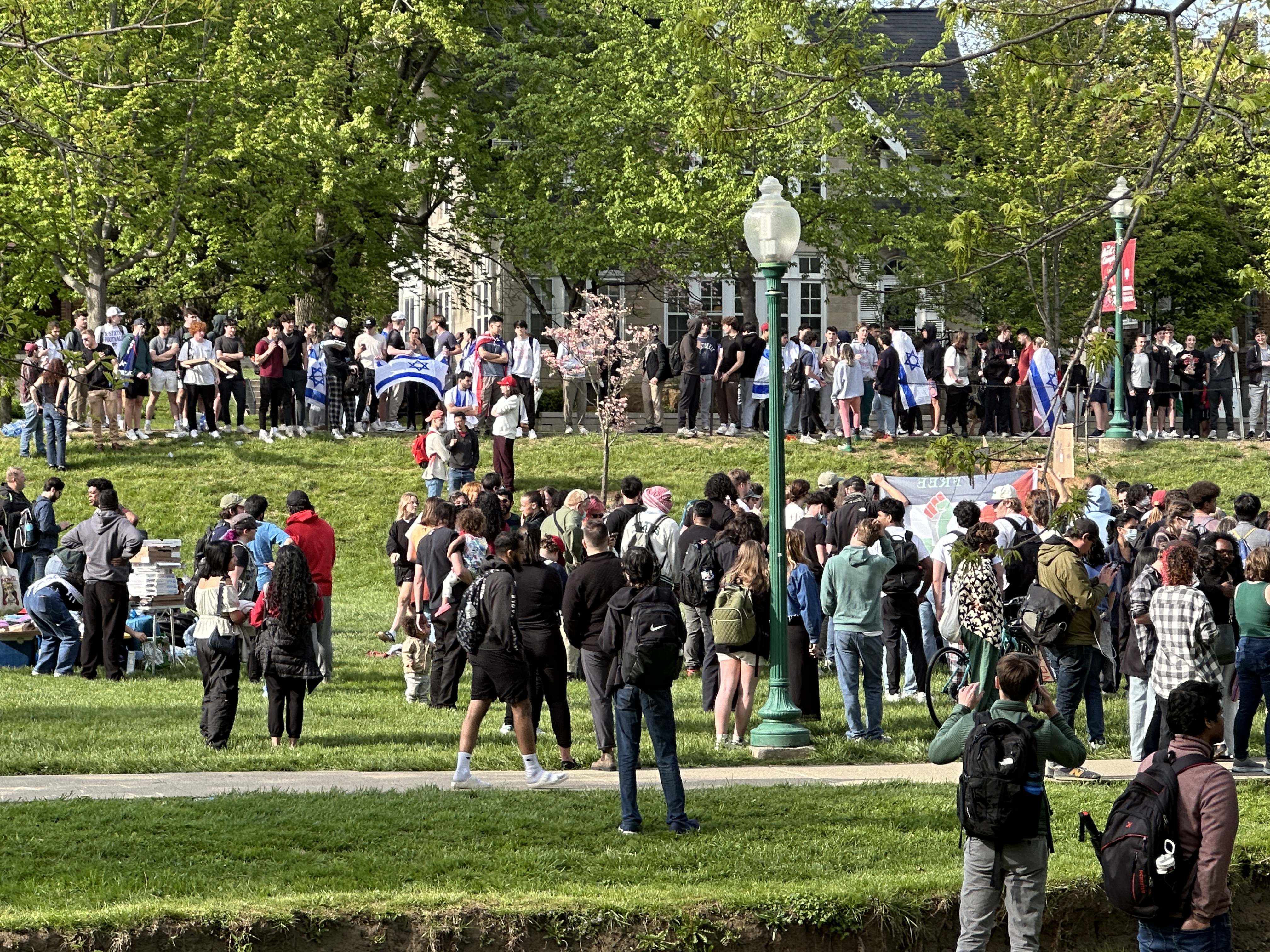
The following are still photographs taken by Jason Baird Jackson in Dunn Meadow on the Indiana University Bloomington campus on Saturday, April 27, 2024 between 12:15 pm and 2:23 pm. In contrast to April 25, I arrived on the scene fearful but with some awareness of about what would take place on this day. I was grading papers on campus when the sounds of a low flying helicopter could be heard. As on the 25th, I believe that the more important documentation from this day is in the form of video recordings also made with my mobile phone. The following images are released under a CC0 (No Rights Reserved) license.The main video for this day, showing the Indiana State Police encounter with protestors is available here: https://youtu.be/O0Fx0u_pYj8
The following are still photographs taken by Jason Baird Jackson in Dunn Meadow on the Indiana University Bloomington campus on Thursday, April 25, 2024 between 12:15 pm and 5:50 pm. I arrived on the scene not in any way expecting what would take place on this day. I departed the scene to attend the Department of Anthropology End of Year Celebration at McCalla School. I believe that the more important documentation from this day is in the form of video recordings also made with my mobile phone. The following images are released under a CC0 (No Rights Reserved) license.The main video for this day, showing the Indiana State Police encounter with protestors is available here: https://youtu.be/wculT_nJDv0 .






































































 Shreds and Patches