Skip to content

Posts from the ‘Southwest China’ Category

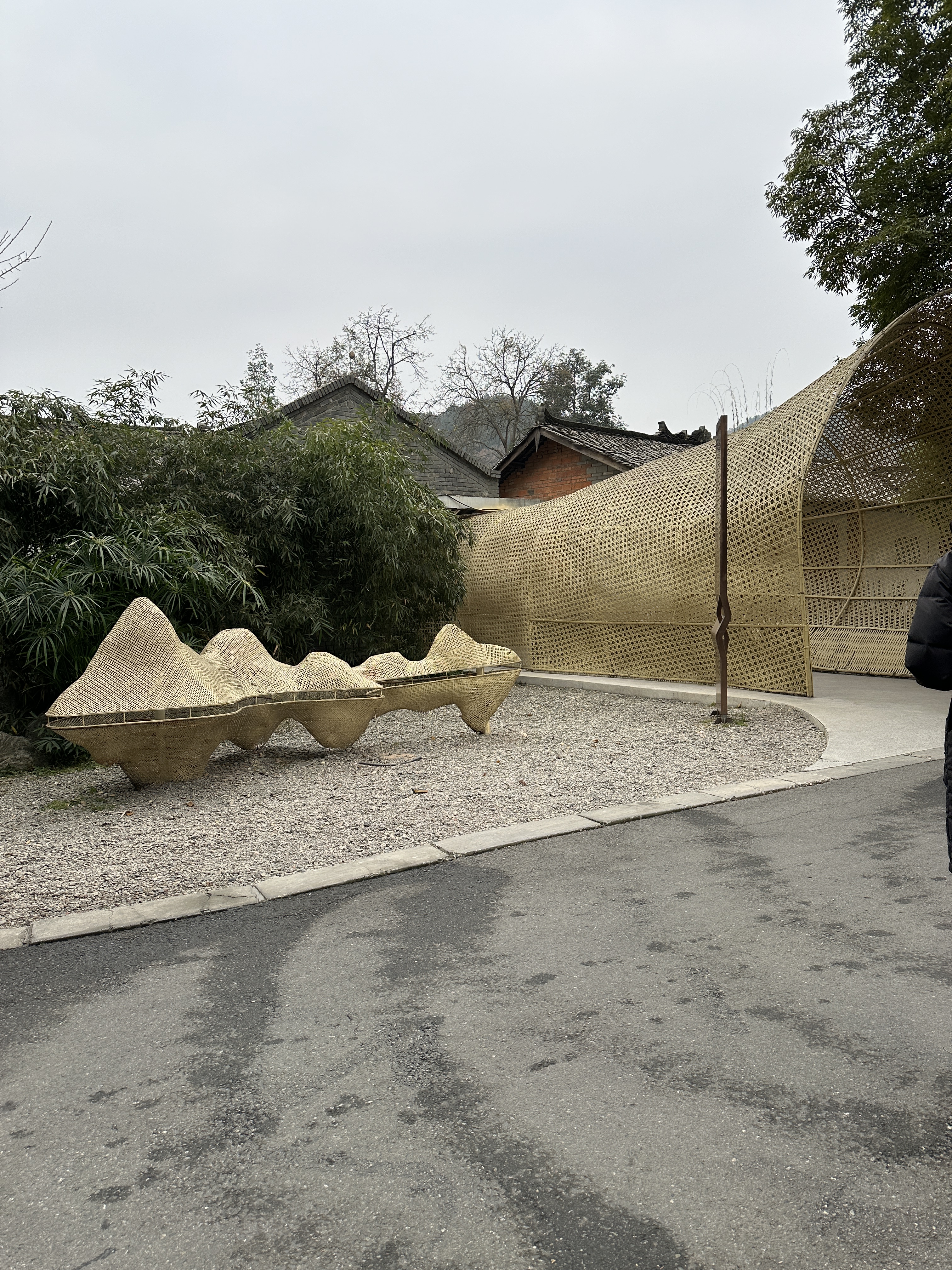
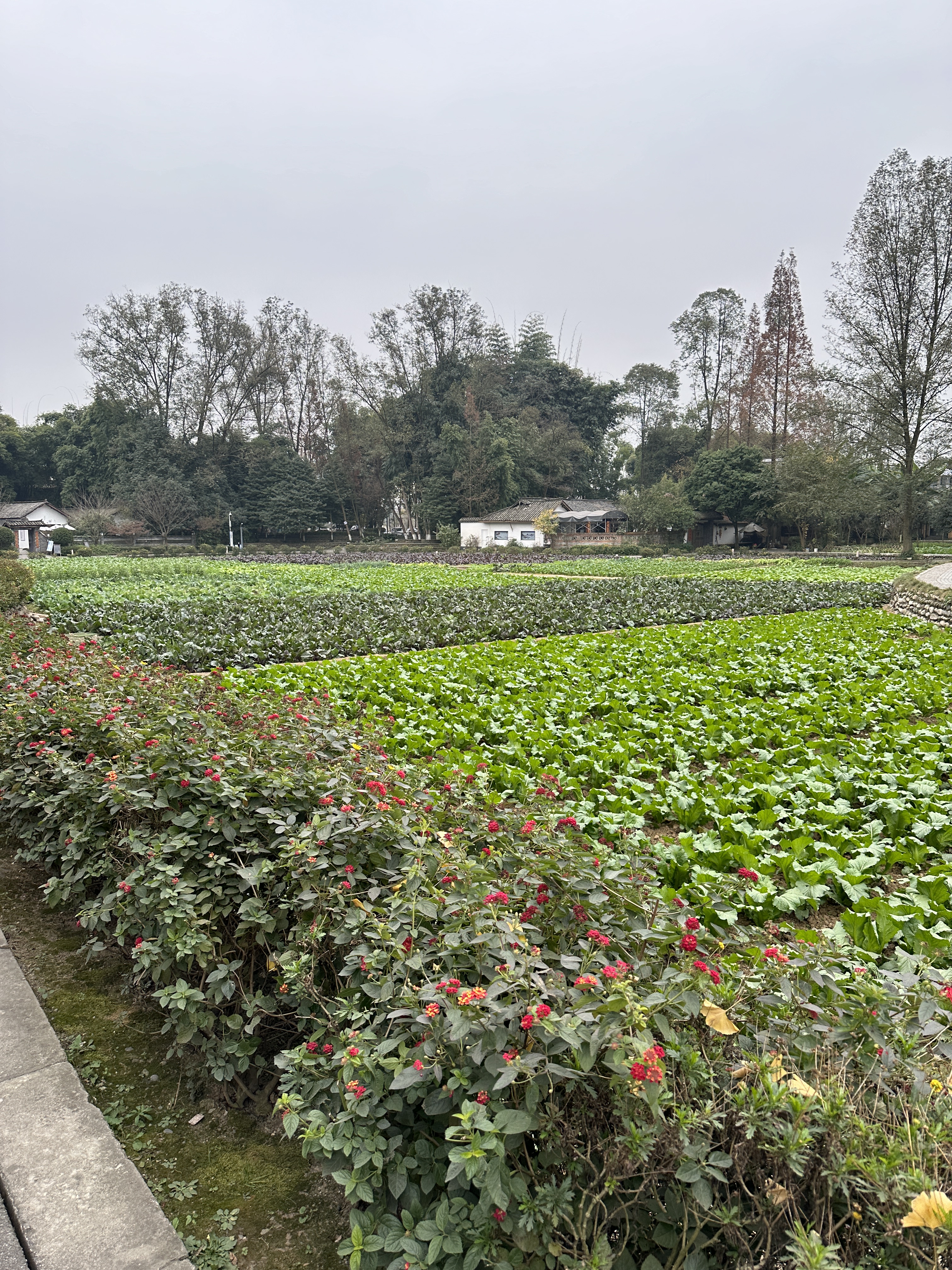
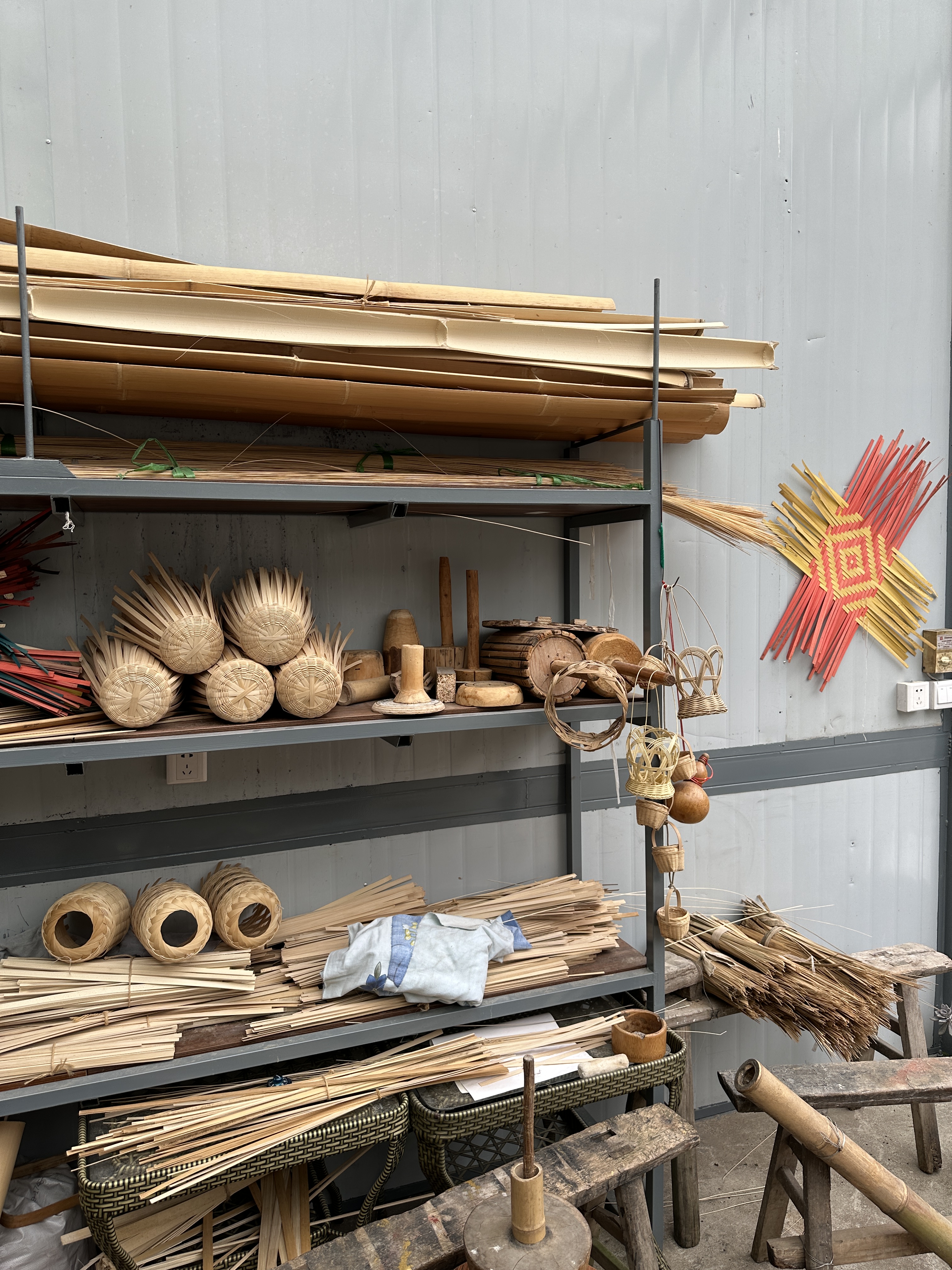
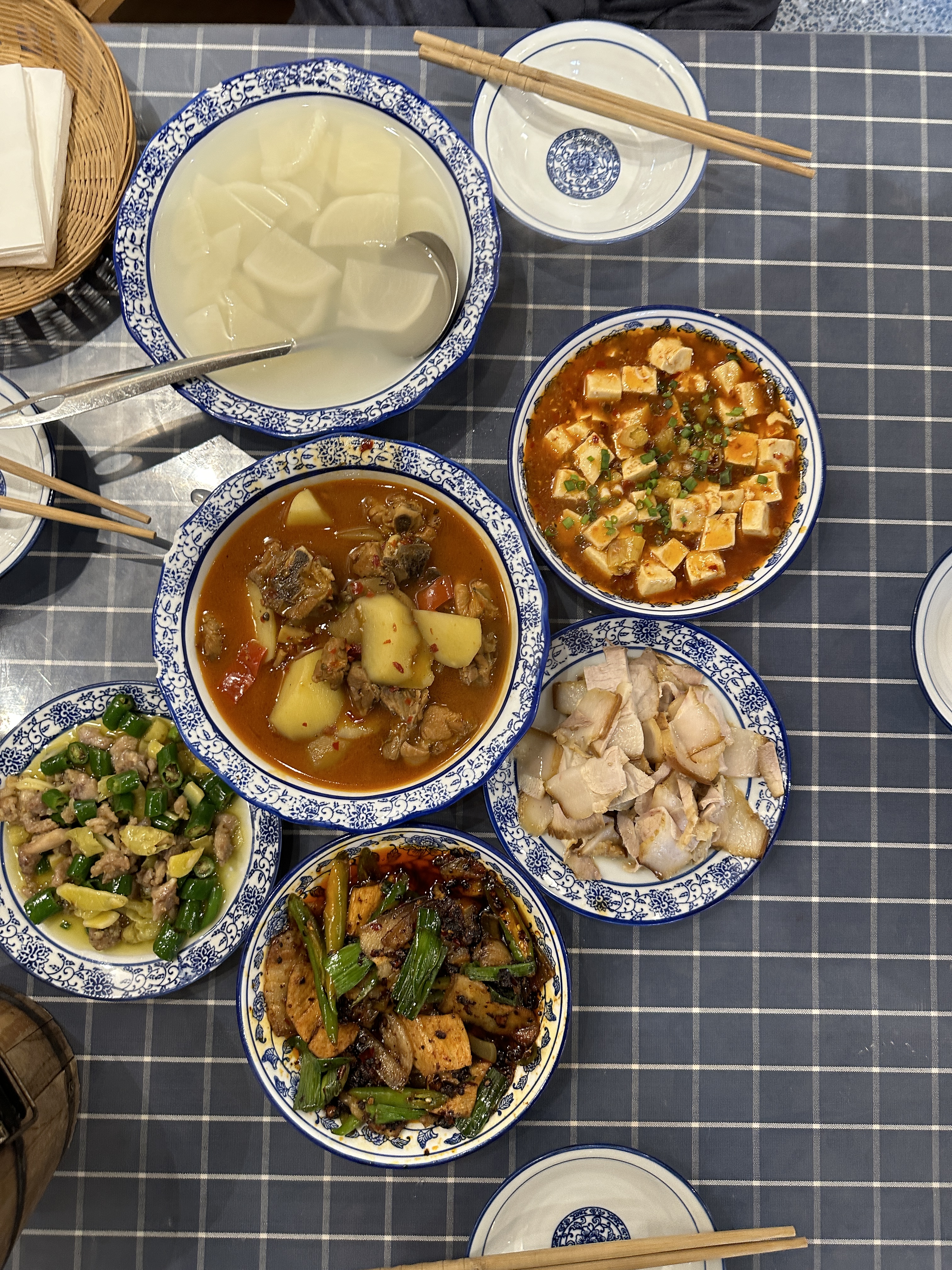
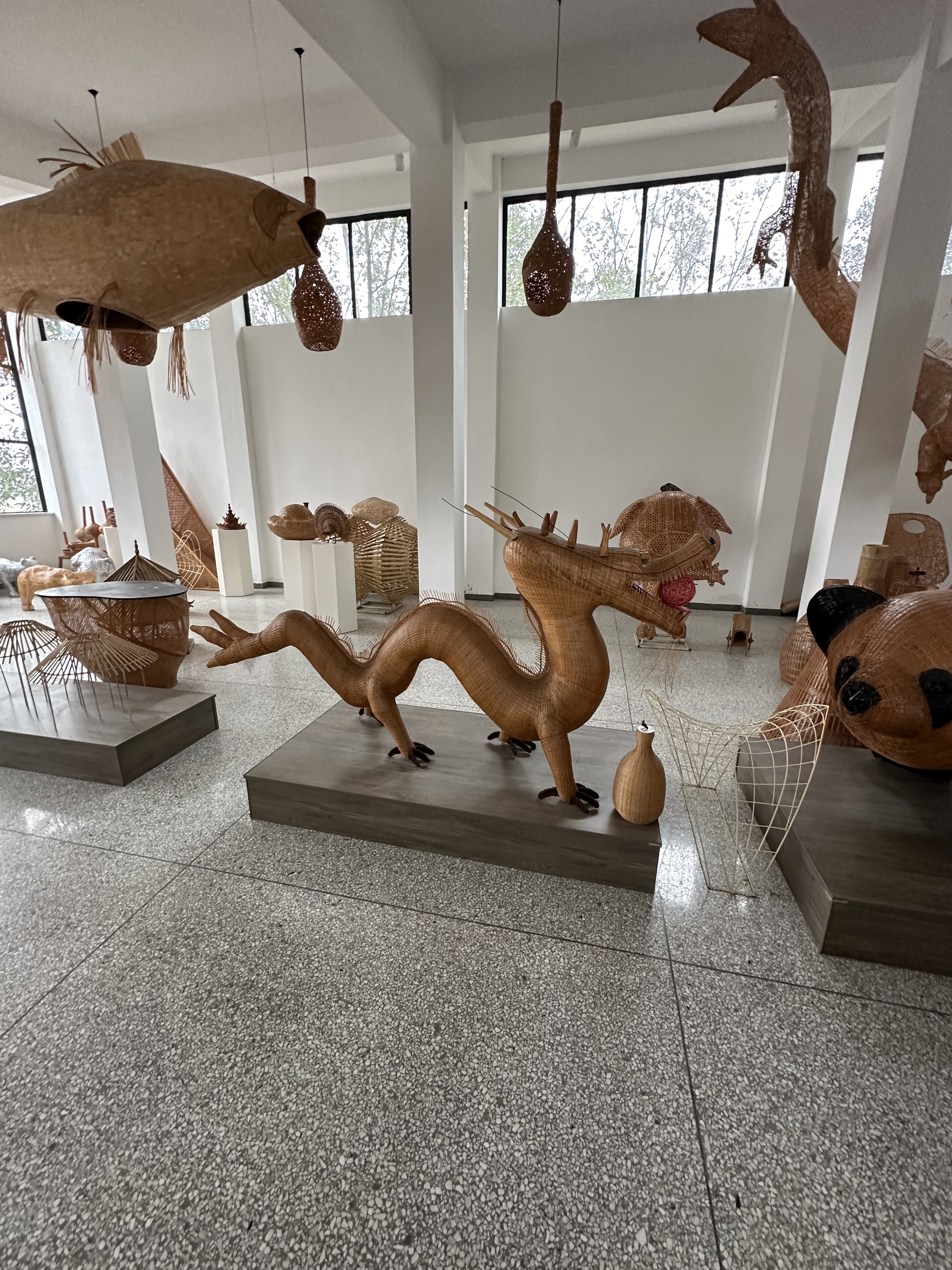
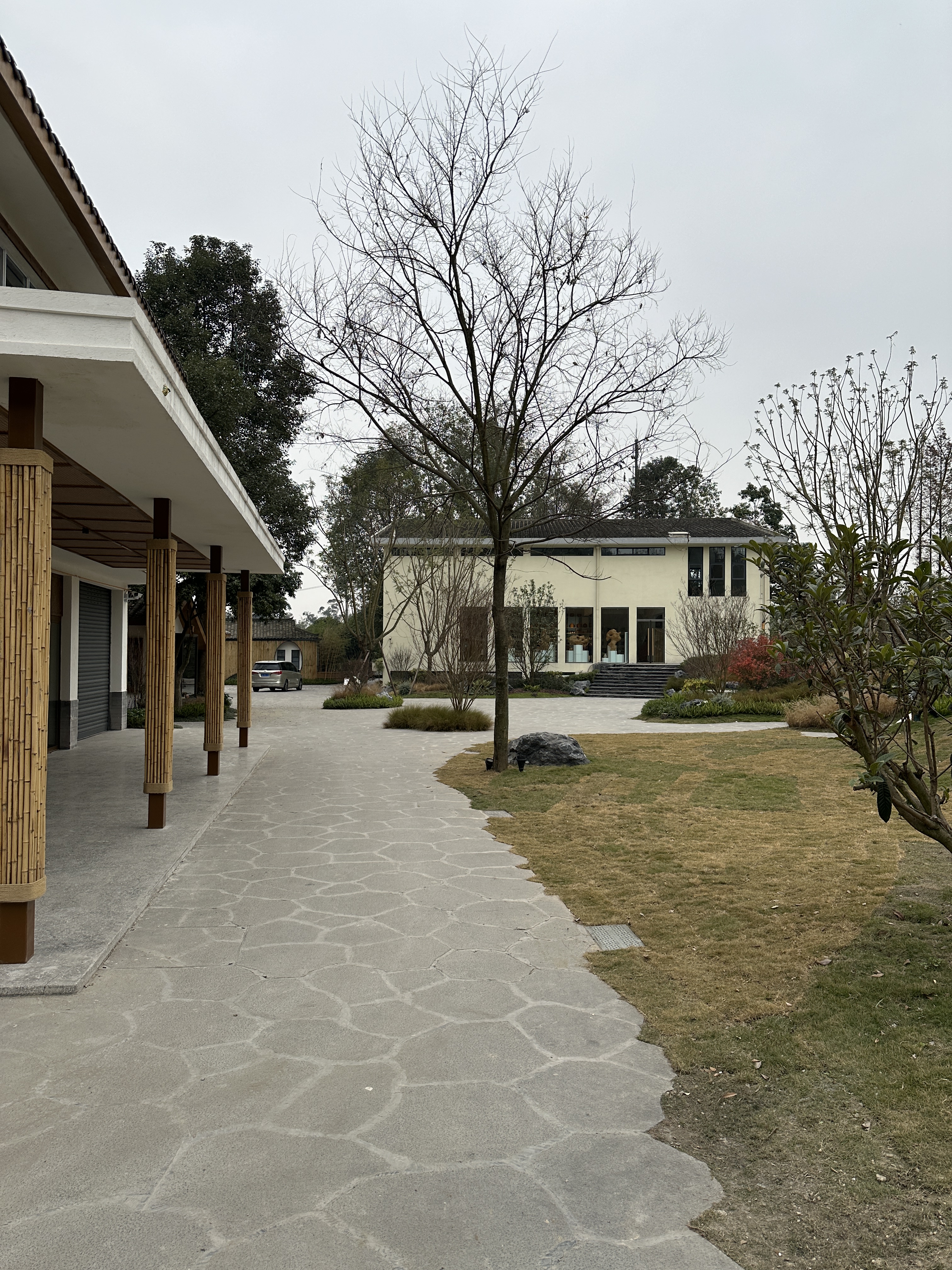
Daoming Town

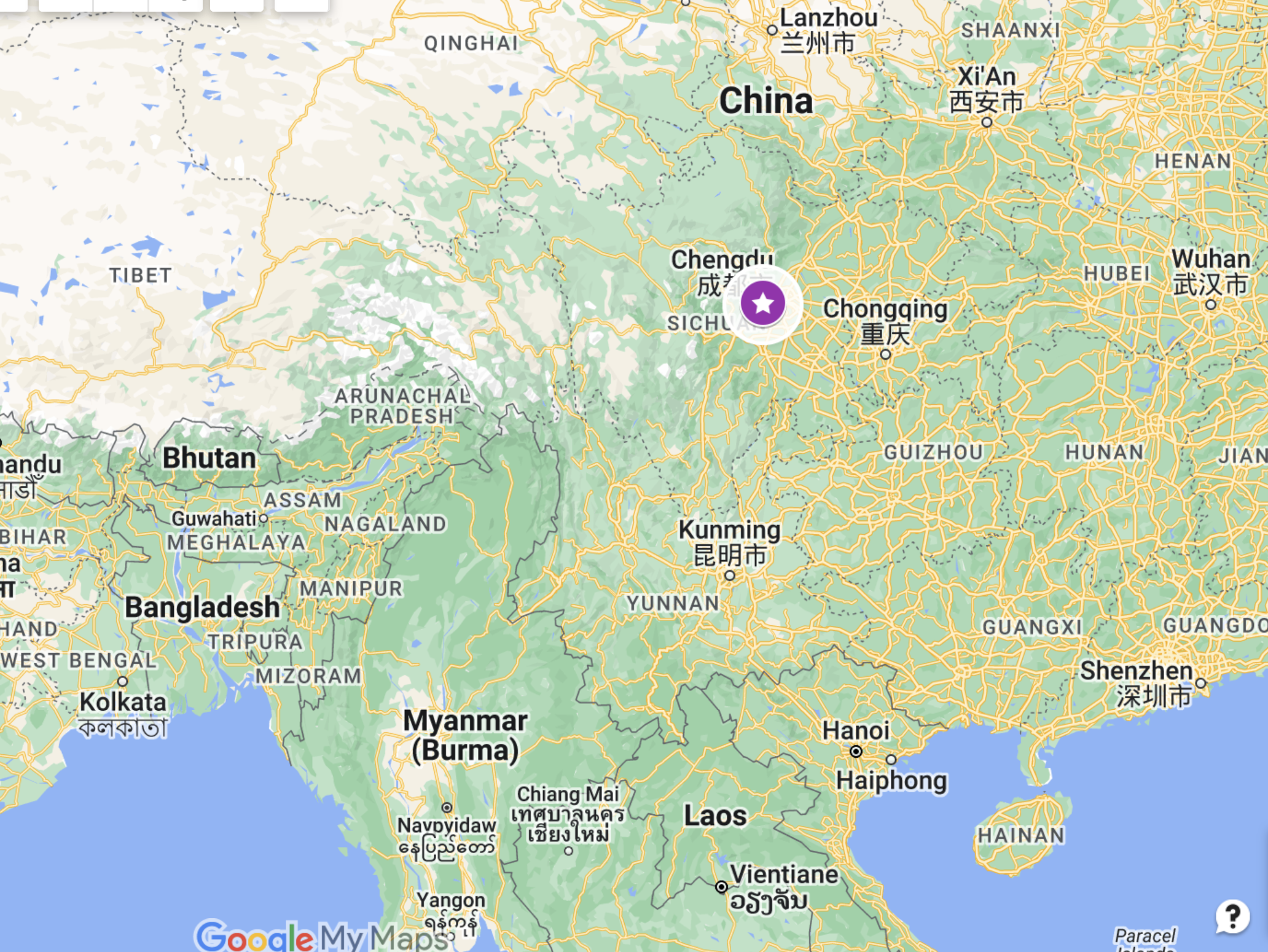
Daoming Town, Chongzhou [County-Level] City, Chengdu [Prefecture-Level] City, Sichuan, China

Visited December 20, 2023.

This is the first post in the series: Lowland Villages and Towns of Southwest China.

Approximately: 30° 39’ 17.928” N, 103° 35’ 20.988” E

Menghai Town

Menghai Town (formerly Xiangshan Town), Menghai County, Xishuangbanna Dai Autonomous Prefecture, Yunnan, China

Visited December 26, 2023

This is the twenty-sixth post in the series: Villages and Towns of the Southeast Asian Massif

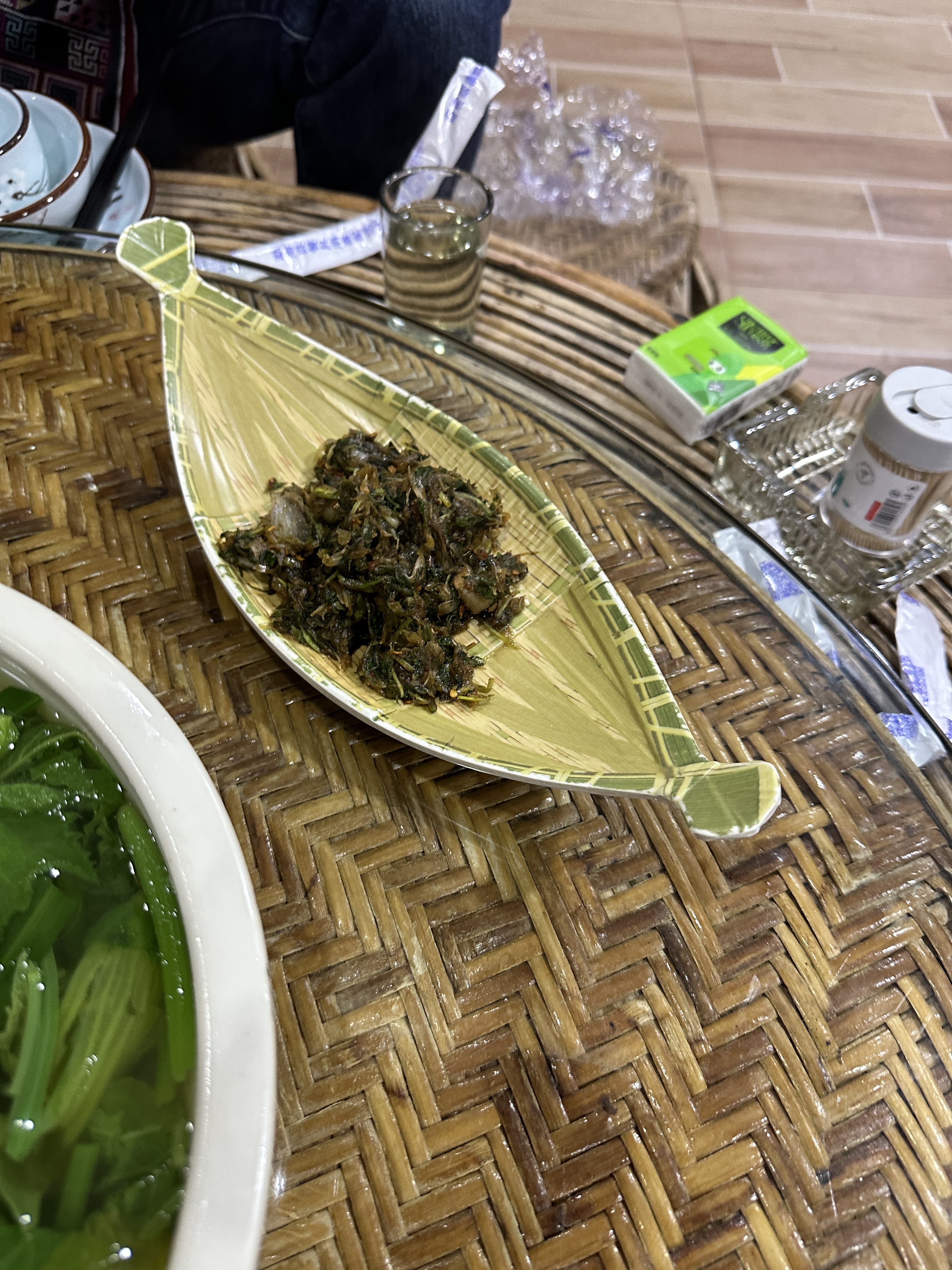
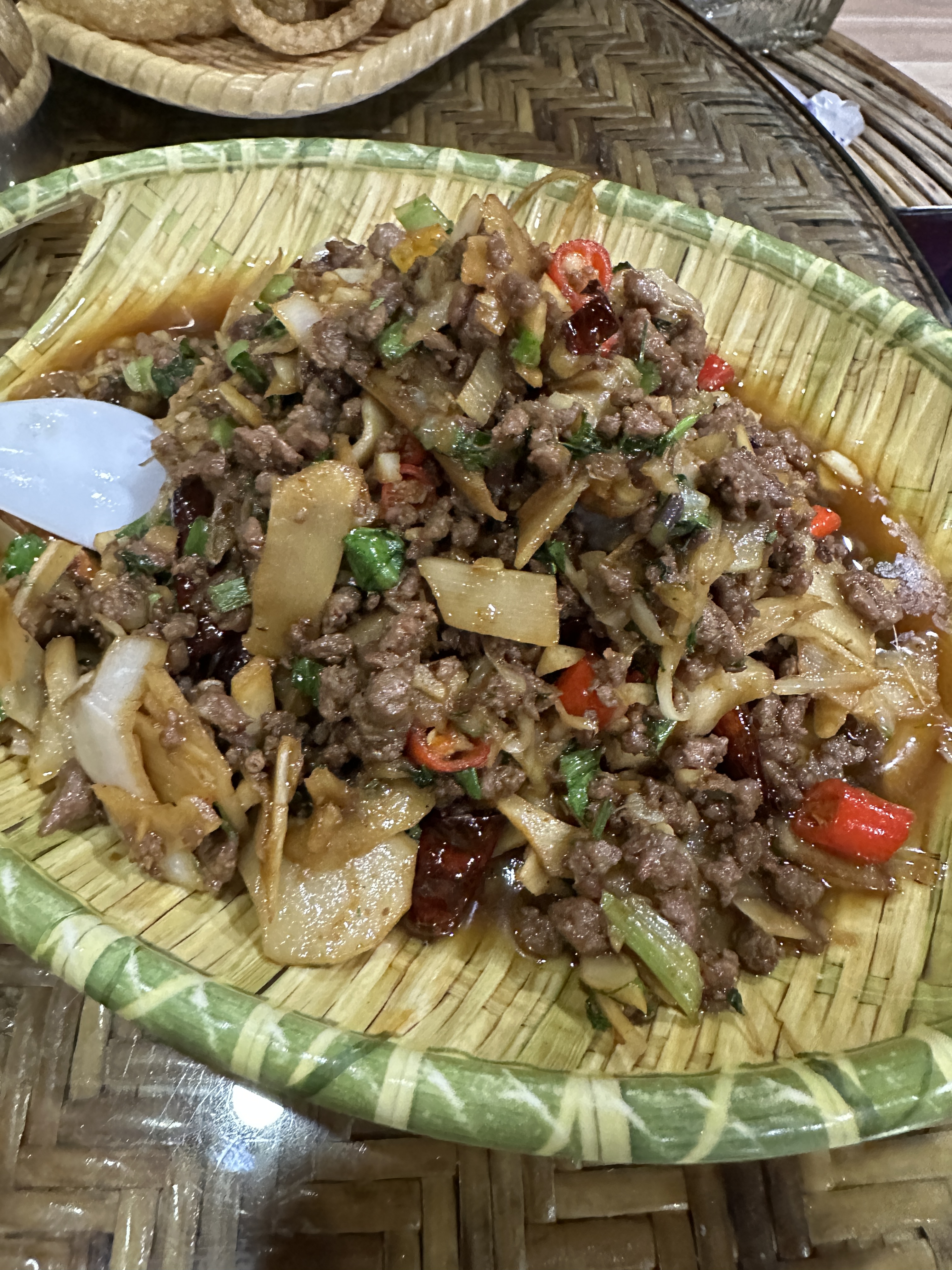
Hani dishes served in Menghai…

Approximately: 21°50′ 36″ N 100° 23′ 08″ E

Nuogang Ancient [Dai] Village

Nuogang Ancient Village, Jingmai Administrative Village, Huimin Hani Ethnic Town, Lancang Lahu Autonomous County, Pu’er City, Yunnan, China

Visited December 27, 2023

This is the twenty-fifth post in the series: Villages and Towns of the Southeast Asian Massif

Approximately: 22° 11′ 39.4074″ N, 100° 0′ 16.128″ E

Manggeng [Dai] Village

[Corrected August 25, 2024]

Menggeng Village, Jingmai Administrative Village, Huimin Hani Ethnic Town, Lancang Lahu Autonomous County, Pu’er City, Yunnan, China

Visited December 27, 2023

This is the twenty-fourth post in the series: Villages and Towns of the Southeast Asian Massif

Approximately: 22° 12’ 3.96” N, 100° 3’ 0.107” E

Mengben [Dai] Village

Mengben [Dai] Village, Jingmai Administrative Village, Huimin Hani Ethnic Town, Lancang Lahu Autonomous County, Pu’er City, Yunnan, China

Visited December 27, 2023

This is the twenty-third post in the series: Villages and Towns of the Southeast Asian Massif

Approximately: 22° 12’ 3.96” N, 100° 3’ 0.107” E

“Field Huts” Among the Upland Tai and Dai

I am presently reading a chapter in the monumental Fowler Museum exhibition catalog The Art of Rice: Spirit and Sustenance in Asia (Los Angeles: UCLA Fowler Museum of Cultural History, 2003). It is “Rice Harvest Rituals in Two Highland Tai Communities in Vietnam” by Vi Vǎn An and Eric Crystal. I was drawn to this essay because it contextualizes a kind of basket-like plaited bamboo object used in ritual contexts among the related Tai peoples of Southeast Asia and Southwest China. More on that eventually Here I just take a minute to make note of another material form of interest. The name that the authors of this catalog chapter use for it is “field hut” and that seems like a suitable English name. The authors picture one in their figure 7.2 on page as shown here:

Figure 7.2 in An and Crystal (2003, 120). “A field hut stands in the distance in a dry-rice field. “Photograph by Eric Crystal. Ban Ðôc, 2000. [See screenshot image above for the full Vietnamese diacritics.] On a pole to the left of the hut is the kind of woven bamboo item that I am studying. The house shown here is of concern to the authors because it is a focal point for a rice harvest ritual of one of the two groups of Tai that they discuss.

My photographs of such field huts in the uplands of Southwest China are often poor because they are taken through the window of a moving van or bus, but I have taken a stead interest in them throughout my visits to the region. Most recently, I saw many of them in the fields and tea tree groves on Jingmai Mountain in Pu’er [Prefecture-Level] City, Yunnan, China. The best example among my photographs from this most recent of my trips is probably this one:

A “field hut” in a mixed-crop truck garden lower down on Jingmai Mountain. Photograph by Jason Baird Jackson. Near Balao in a predominantly Dai and Hani area. December 27, 2023.

These kinds of buildings get mentioned here and there in the ethnographic literature for the broader region. I hope to return to them someday and here I note them as just another interesting aspect of the region’s vernacular architecture. Those who know me and know eastern Oklahoma will recognize my interests in such buildings in the comparative case of ceremonial ground and church family camps.

Baduo [Natural, Jinuo] Village

Baduo [Natural] Village, Xinsitu [Administrative] Village, Jinuo Ethnic Township, Jinghong City, Xishuangbanna, Yunnan, China

Visited December 24, 2023

This is the twenty-first post in the series: Villages and Towns of the Southeast Asian Massif.

Approximately: 22° 2′ 6.86″ N, 101° 0′ 25.63″ E

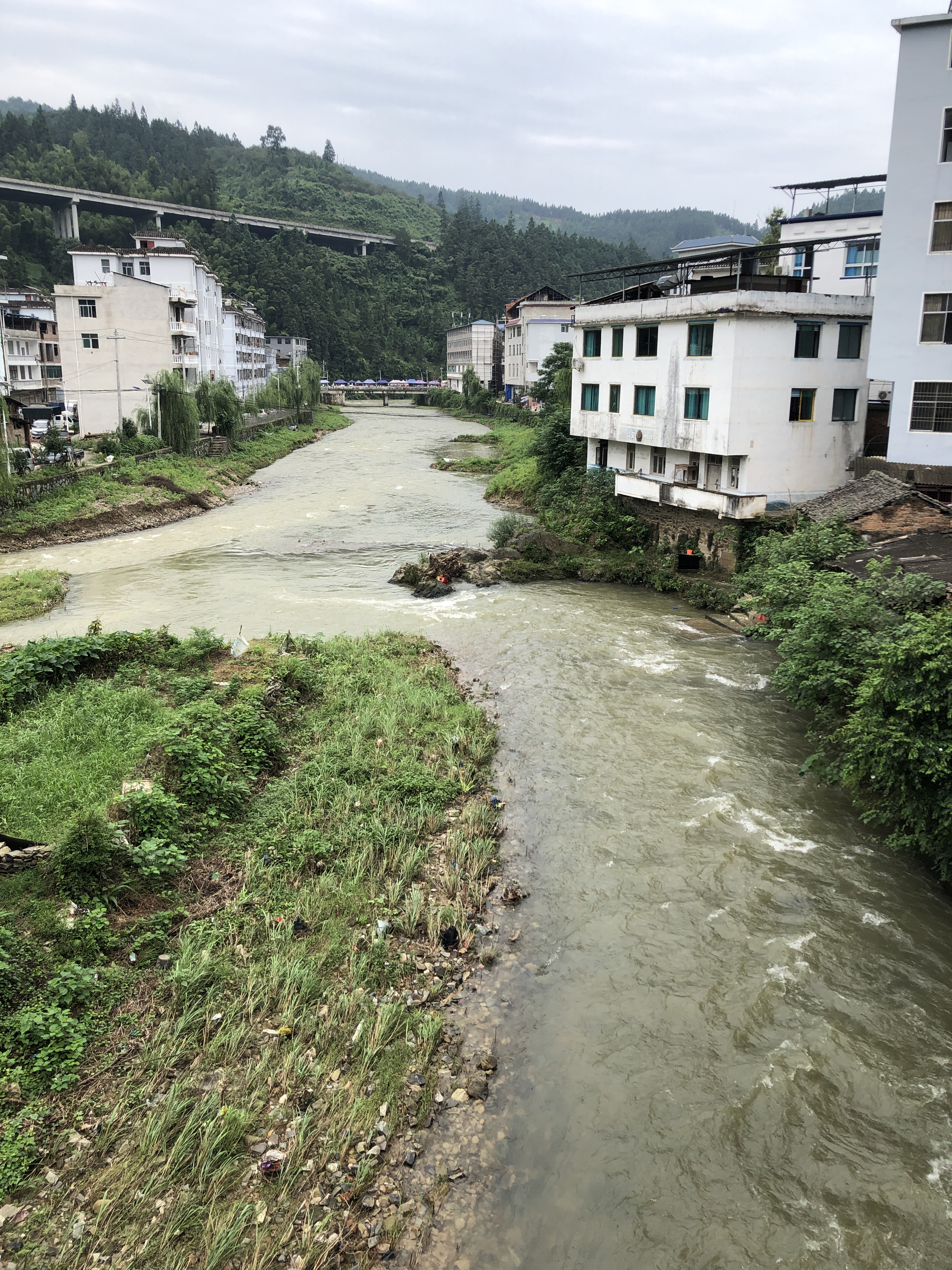
Shuikou Town

Shuikou, Liping County, Qiandongnan Miao and Dong Autonomous Prefecture, Guizhou, China.

Visited July 10, 2019

This is the Twentieth post in the series: Villages and Towns of the Southeast Asian Massif.

Approximately:  25° 54′ 31.7514″ N, 109° 19′ 7.5354″ E

Luoxiang Town

Luoxiang Town, Congjiang County, Qiandongnan Miao and Dong Autonomous Prefecture, Guizhou, China.

Visited July 8, 2019

This is the Nineteenth post in the series: Villages and Towns of the Southeast Asian Massif.

Approximately:  25° 54′ 42.762″ N, 109° 6′ 34.74″ E

Xijiang (Miao) Town

Xijiang (Miao) Town, Leishan County, Qiandongnan Miao and Dong Autonomous Prefecture, Guizhou, China.

Visited December 11-12, 2014.

This is the eighteenth post in the series: Villages and Towns of the Southeast Asian Massif.

Approximately:  26° 29′ 37.1754″ N, 108° 10′ 23.664″ E