Skip to content

Posts from the ‘China’ Category

Now Published: Living in Heritage: Tulou as Vernacular Architecture, Global Asset, and Tourist Destination in Contemporary China by Lijun Zhang

Good news is scarce in my world right now, but I am really very pleased to share that Lijun Zhang’s latest book Living in Heritage: Tulou as Vernacular Architecture, Global Asset, and Tourist Destination in Contemporary China has now been published by Indiana University Press in the Material Vernaculars series. It has to be auspicious that Lijun’s important book was officially published on September 17, 2024, which this year was the Mid-Autumn Festival or Moon Festival (did you see that moon?!?). I may share more about the book later, but for today, here is the description and the link to its page at IU Press.

Yongding County in southeast China is famous for its large, multistory communal vernacular buildings known as tulou, translated “rammed earth building.” These structures were designated a UNESCO World Heritage Site in 2008. Living in Heritage introduces readers outside of China to this classic example of local Chinese architecture in the context of contemporary heritage preservation and tourism.

Focusing on the Yongding Hakka Tulou Folk Culture Village, which is part of Hongkeng Village, author Lijun Zhang examines the on-the-ground processes and effects of heritage-making, UNESCO-inspired tourism, and how locals negotiate the dramatic transformation of their daily, social, and economic lives. Within an age of cultural change beginning at the start of the 21st century, Living in Heritage explores how the tulou phenomenon as heritage has and continues to be transformed into cultural, economic, or political capital. Through her careful study, Zhang reveals how the blurring of formerly distinct domains—private and public, local and global—gives rise to a living museum that now relies on insiders and outsiders to preserve their way of life.

Living in Heritage offers an in-depth ethnographic account of the people dwelling and working within traditional tulou architecture in the 21st century.

Lijun Zhang is Assistant Professor of Folklore at George Mason University. She is author of Chinese Folk Art and Crafts and editor (with Marsha MacDowell) of Quilts of Southwest China and (with Ziying You) of Chinese Folklore Studies Today: Discourse and Practice.

Please consider purchasing a copy from IU Press here https://iupress.org/9780253070975/living-in-heritage/ (or wherever you get your books). Doing so supports not only the press in general but the free-to-readers versions of Material Vernacular titles. (More on that when the free version becomes available.)

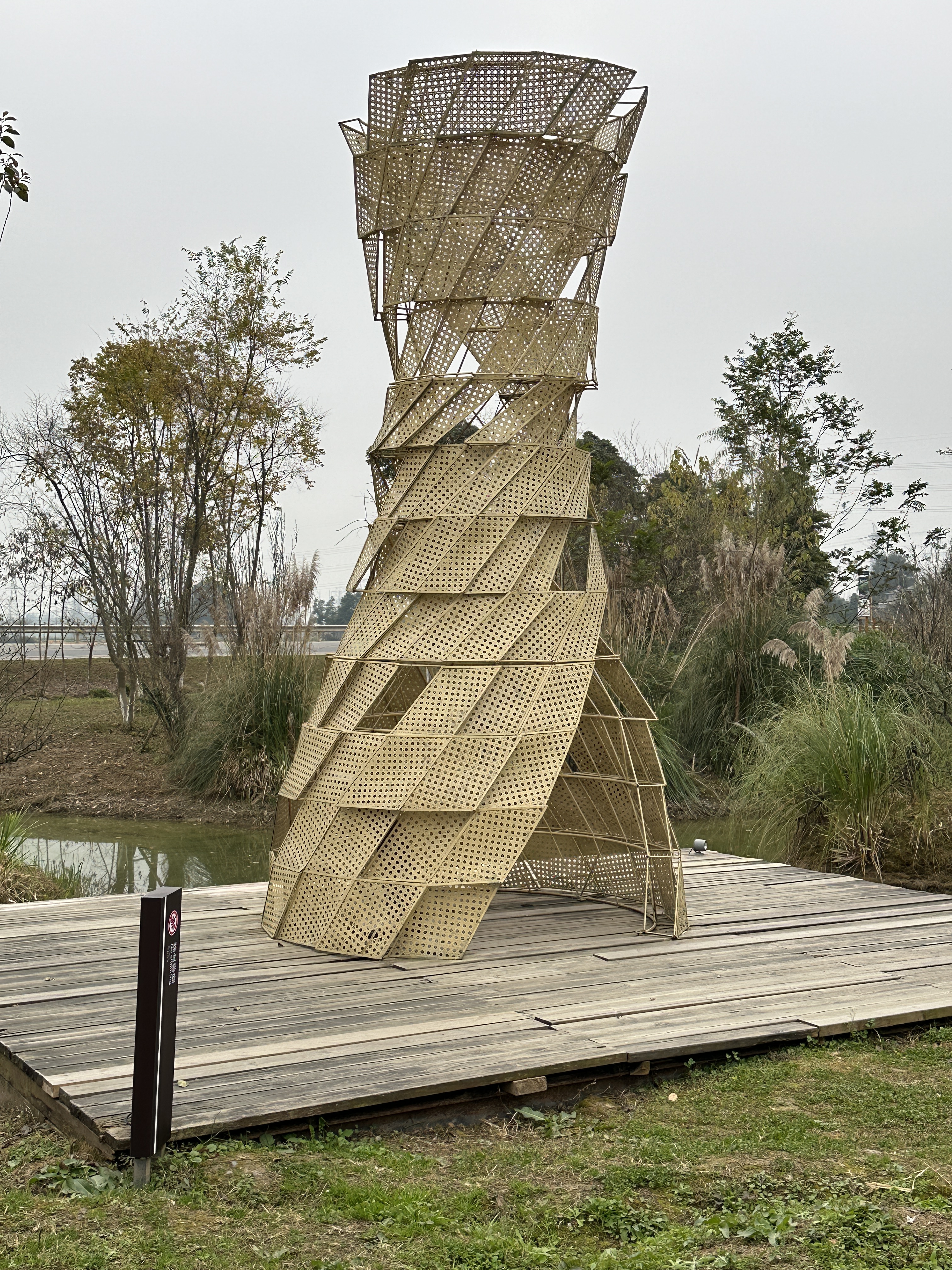
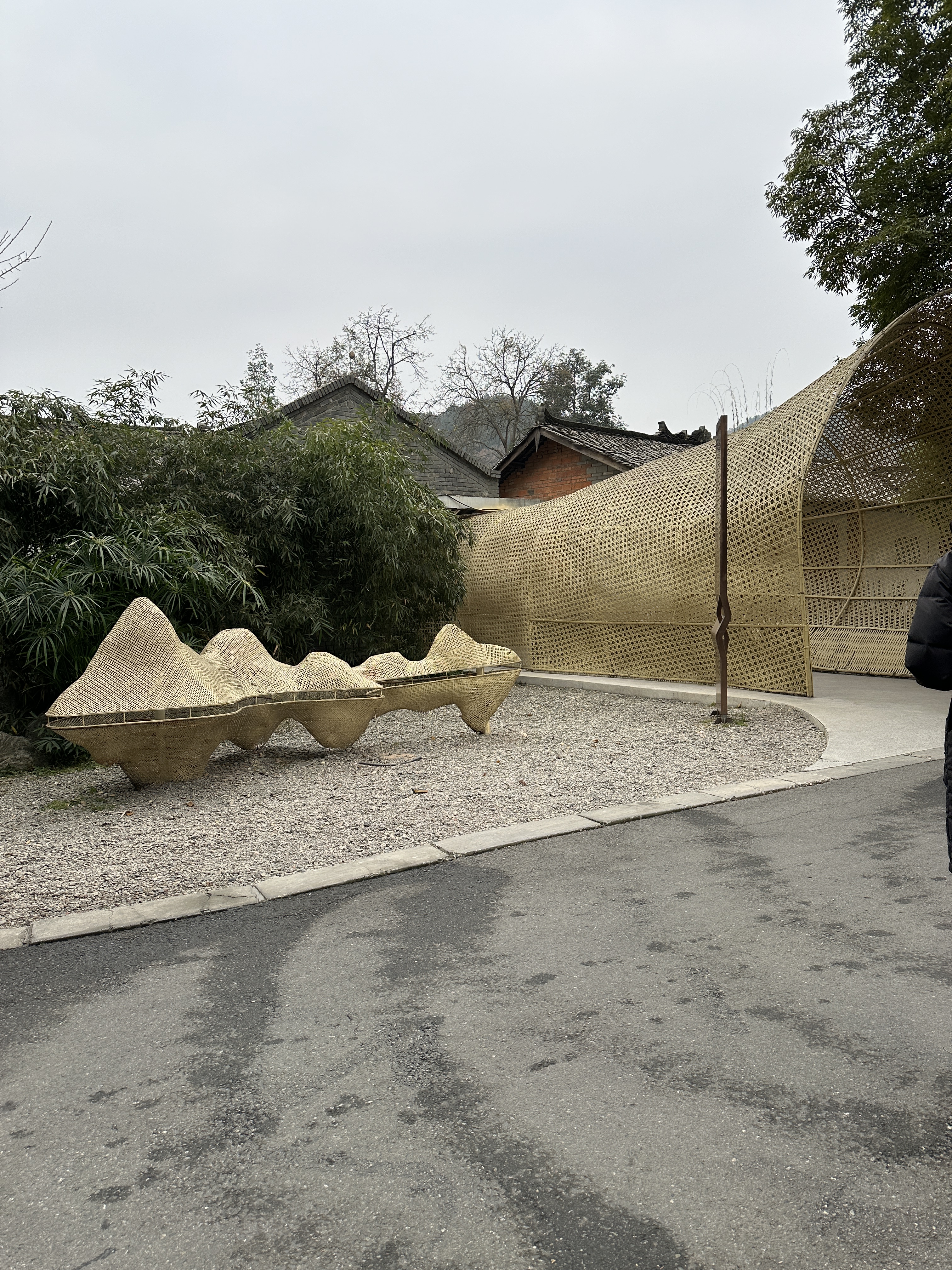
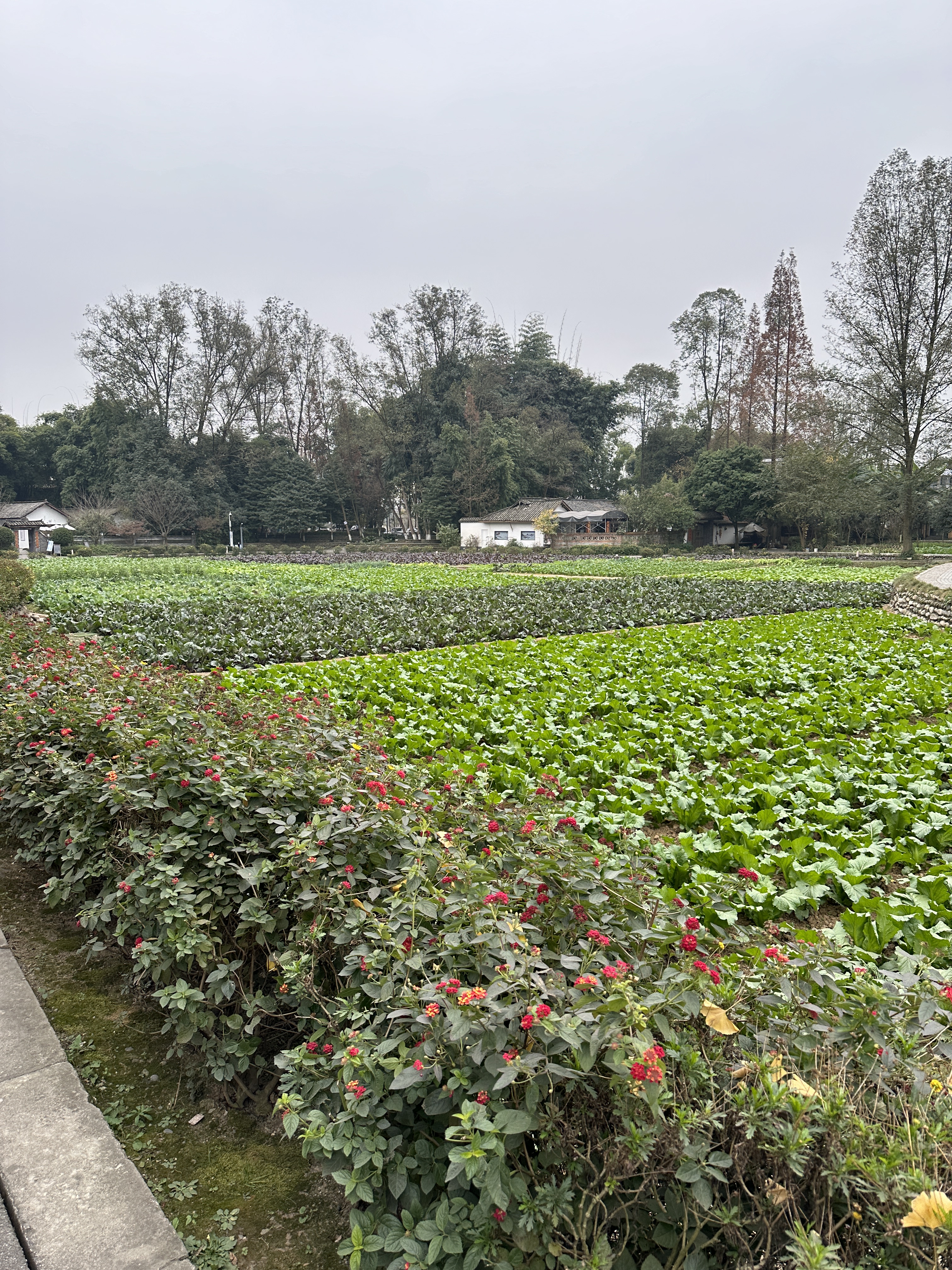
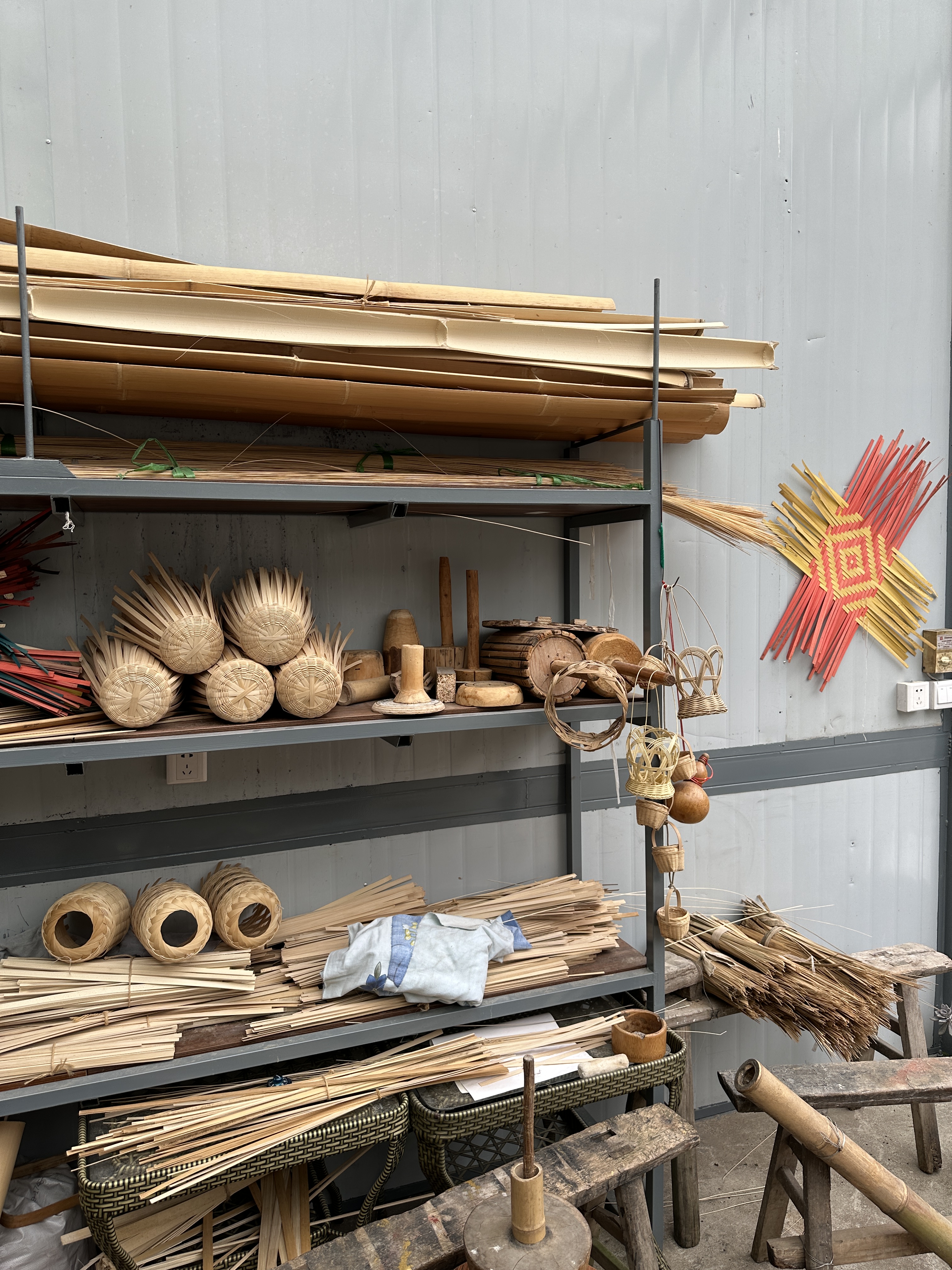
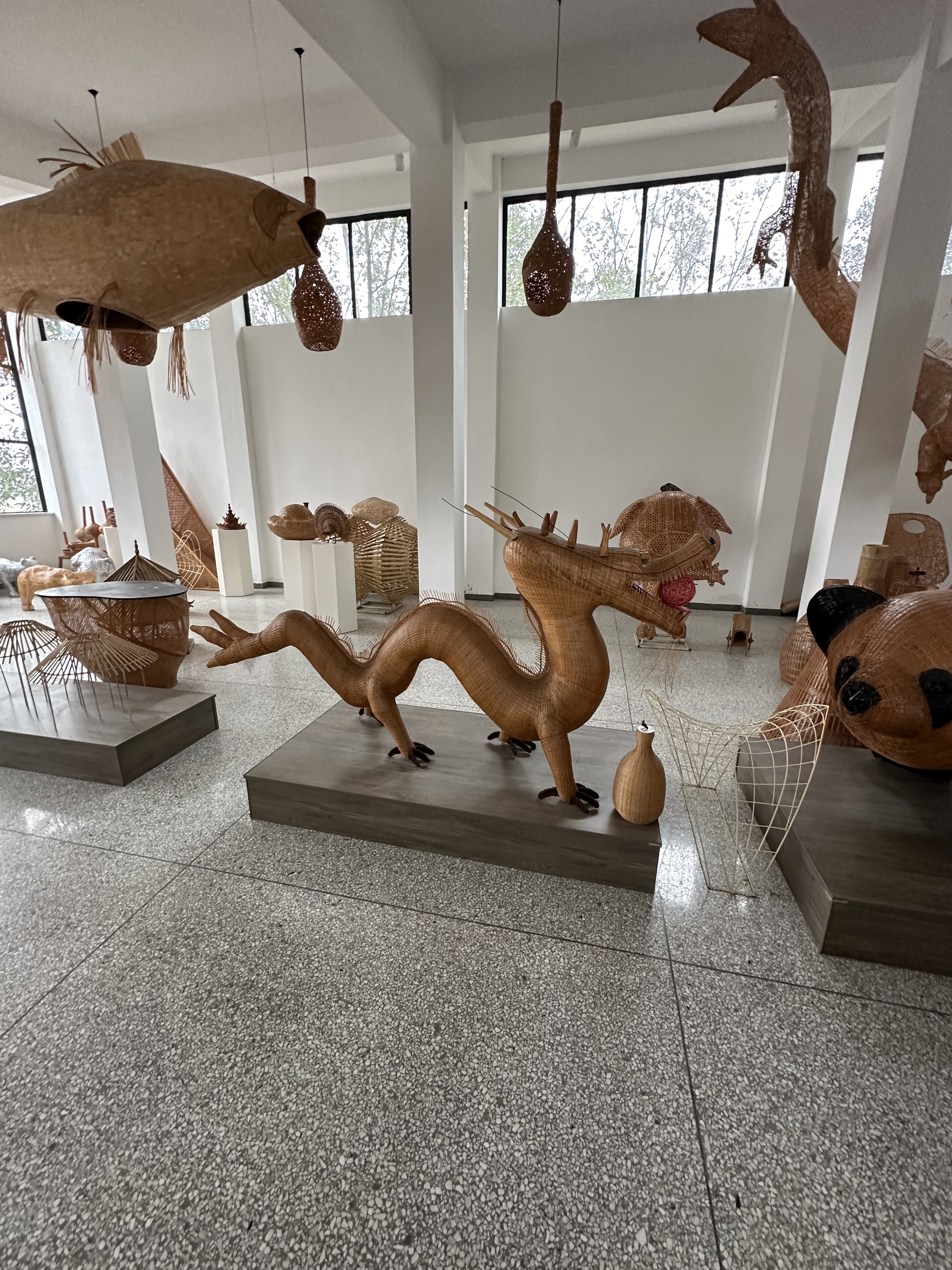
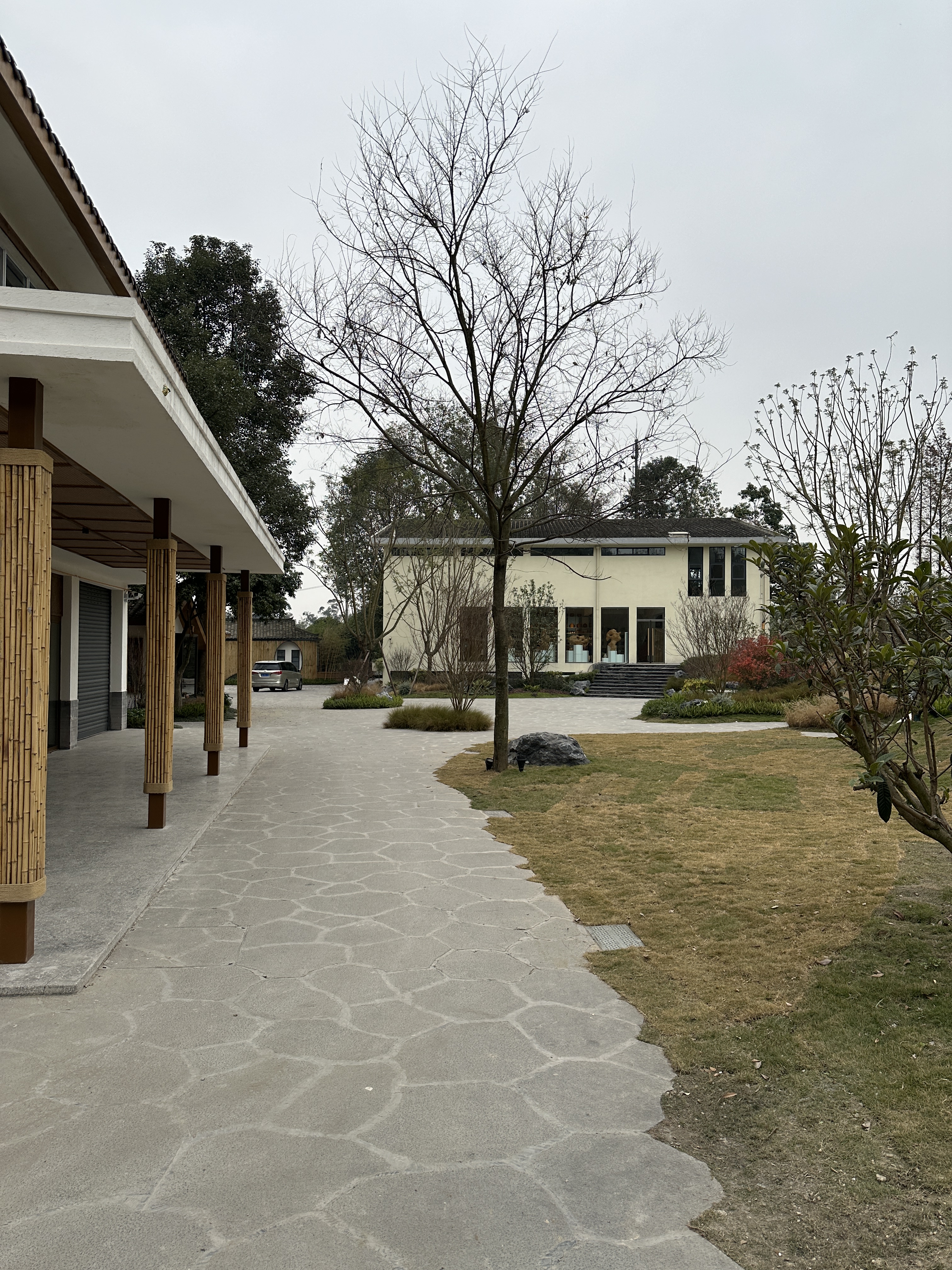
Daoming Town

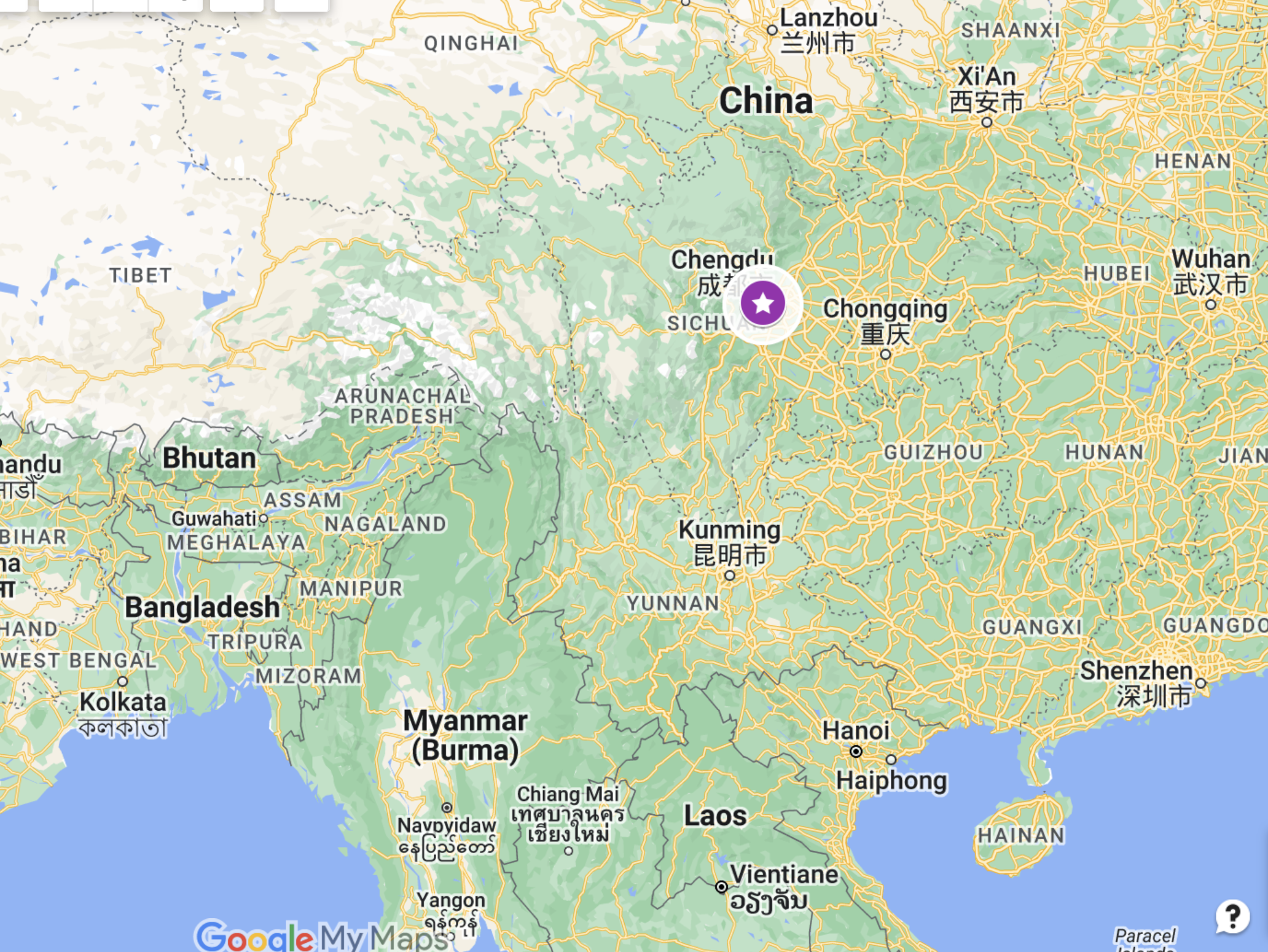
Daoming Town, Chongzhou [County-Level] City, Chengdu [Prefecture-Level] City, Sichuan, China

Visited December 20, 2023.

This is the first post in the series: Lowland Villages and Towns of Southwest China.

Approximately: 30° 39’ 17.928” N, 103° 35’ 20.988” E

Menghai Town

Menghai Town (formerly Xiangshan Town), Menghai County, Xishuangbanna Dai Autonomous Prefecture, Yunnan, China

Visited December 26, 2023

This is the twenty-sixth post in the series: Villages and Towns of the Southeast Asian Massif

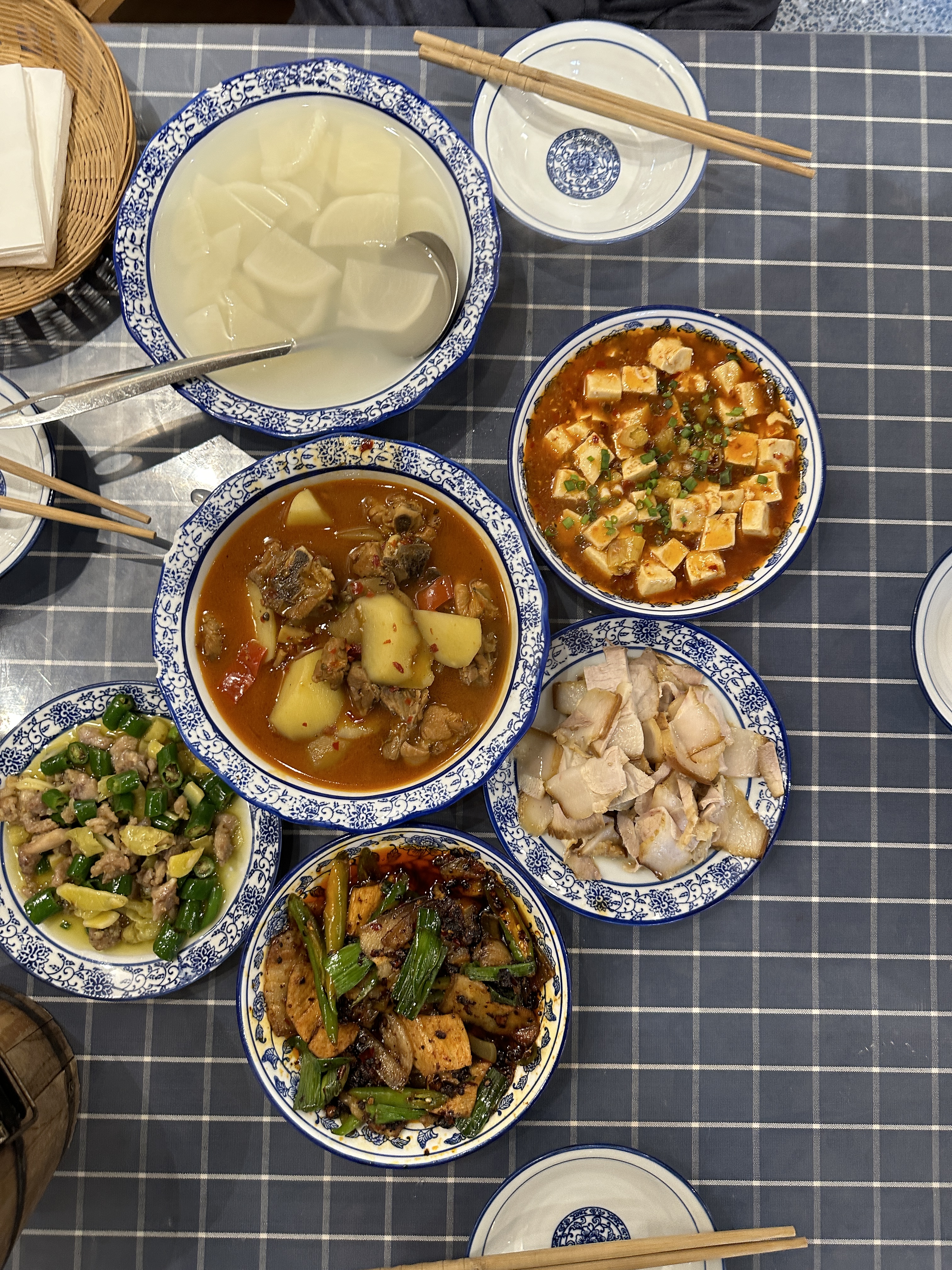
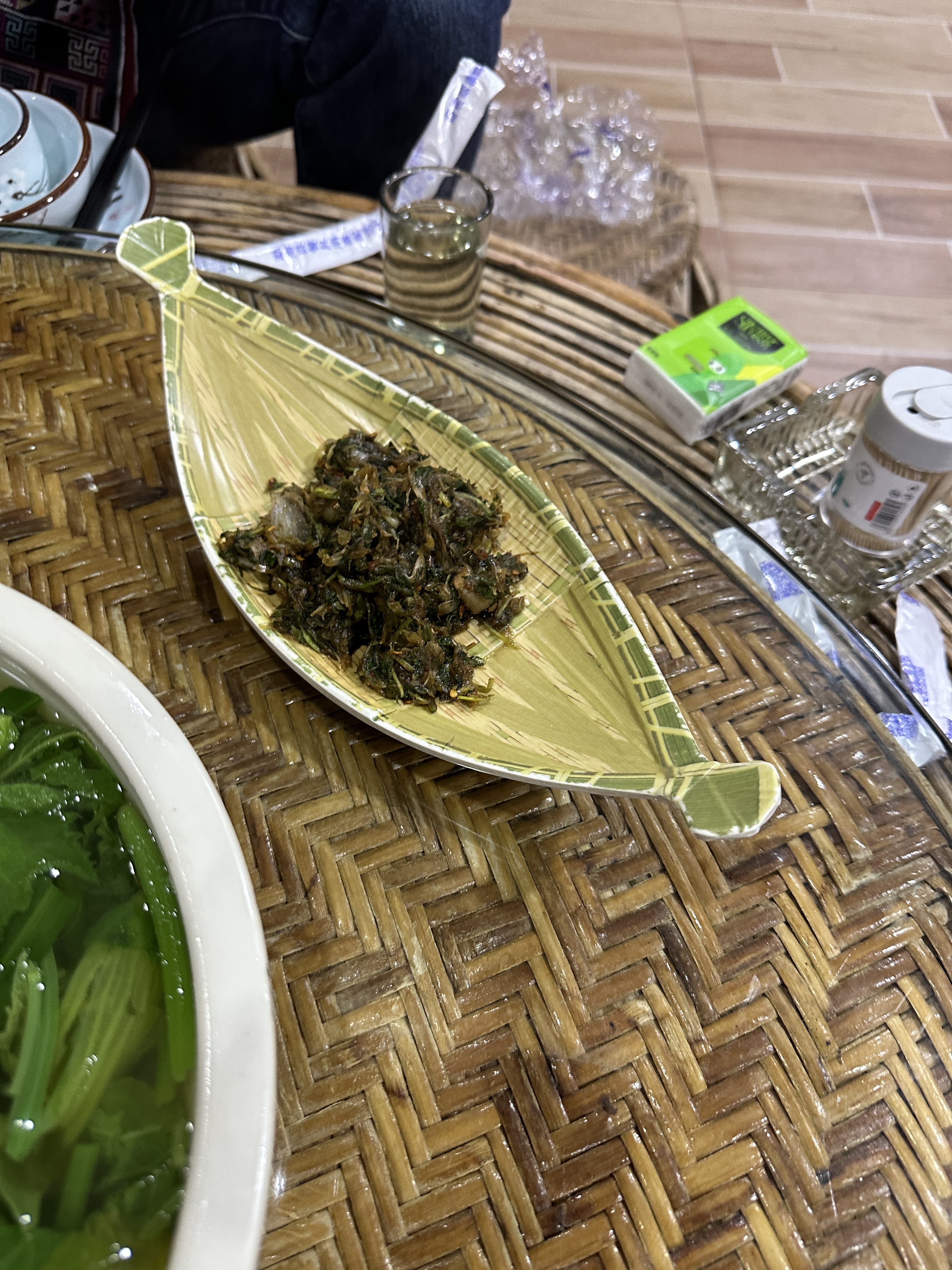
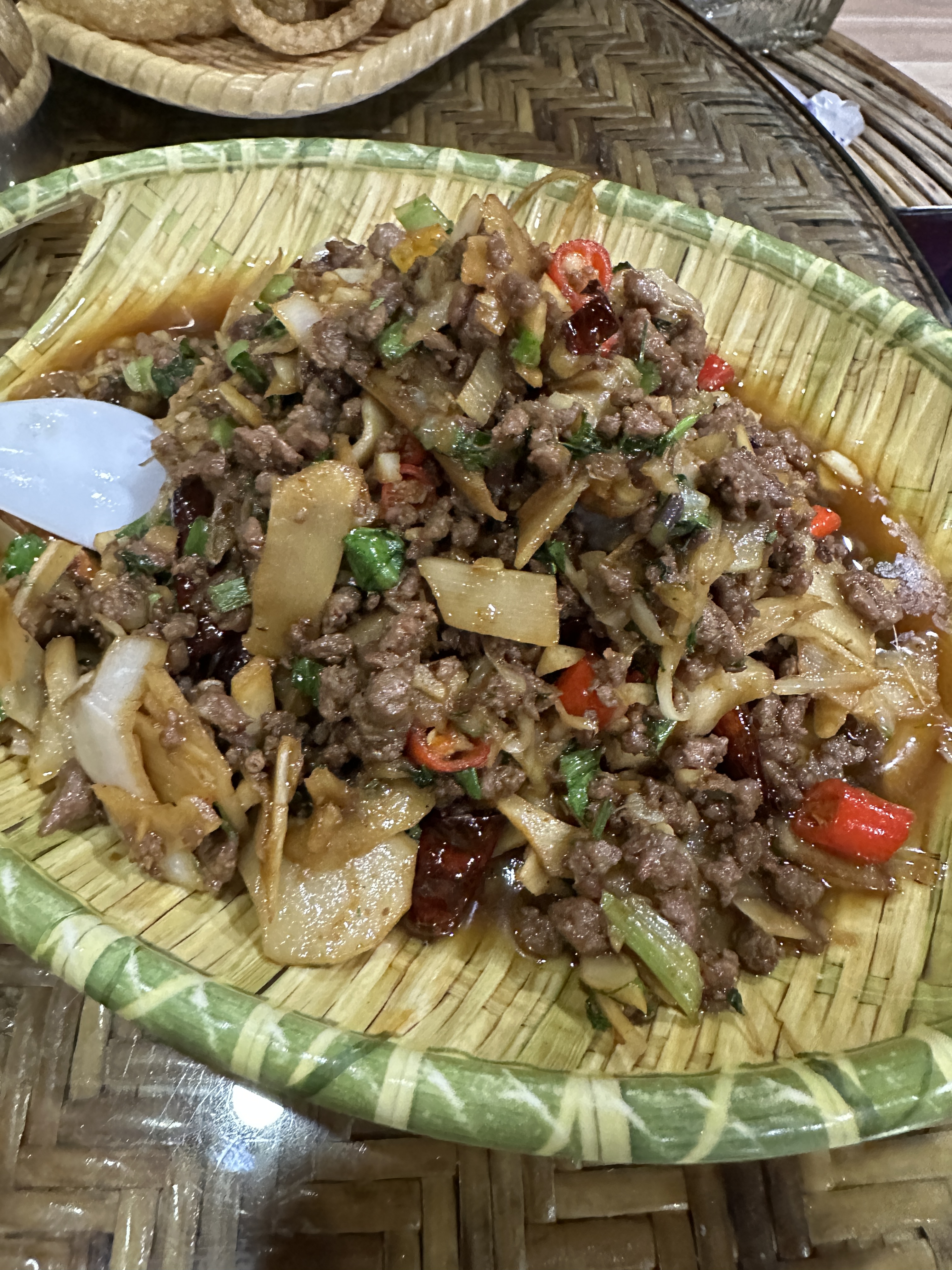
Hani dishes served in Menghai…

Approximately: 21°50′ 36″ N 100° 23′ 08″ E

Nuogang Ancient [Dai] Village

Nuogang Ancient Village, Jingmai Administrative Village, Huimin Hani Ethnic Town, Lancang Lahu Autonomous County, Pu’er City, Yunnan, China

Visited December 27, 2023

This is the twenty-fifth post in the series: Villages and Towns of the Southeast Asian Massif

Approximately: 22° 11′ 39.4074″ N, 100° 0′ 16.128″ E

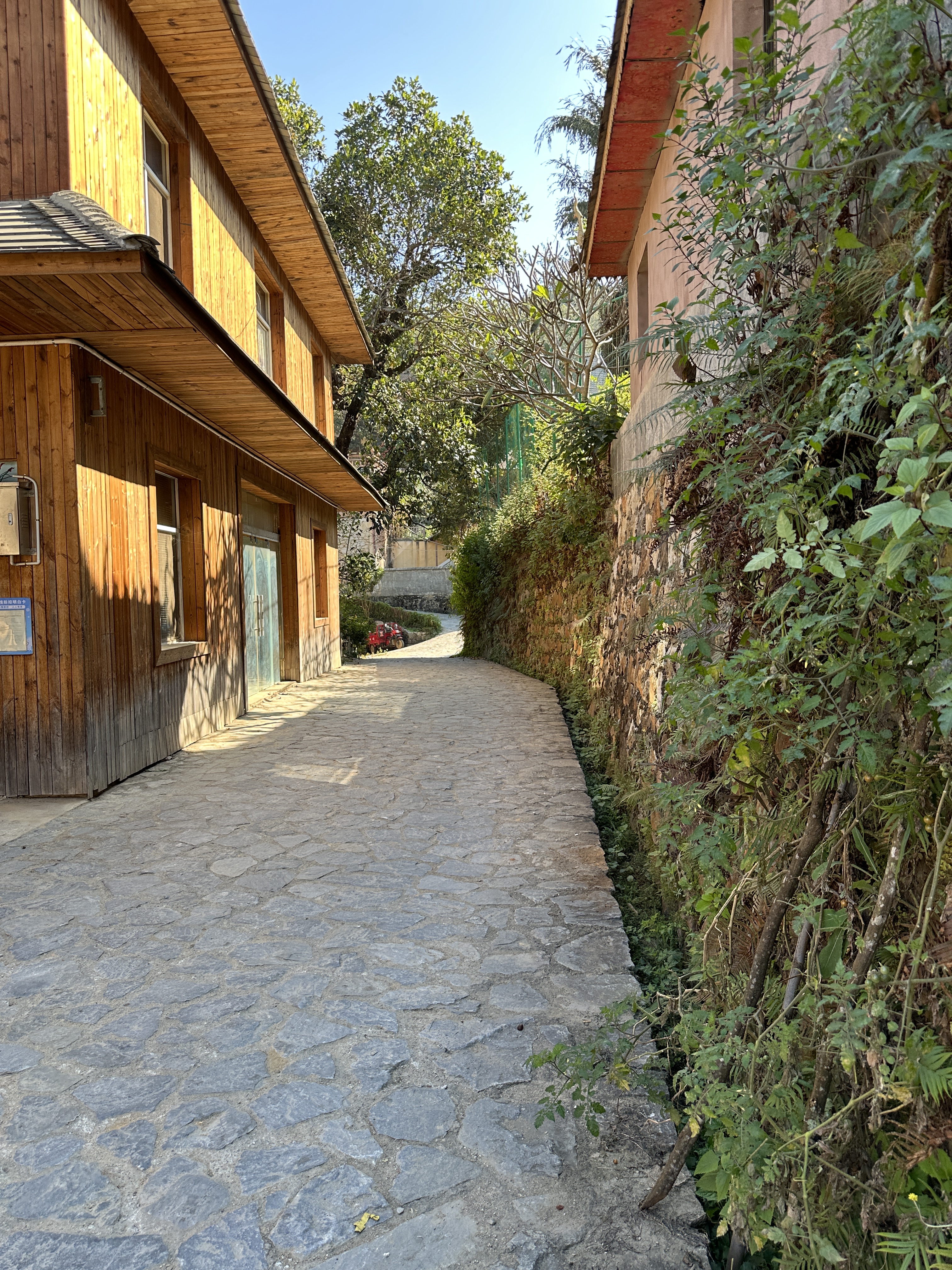
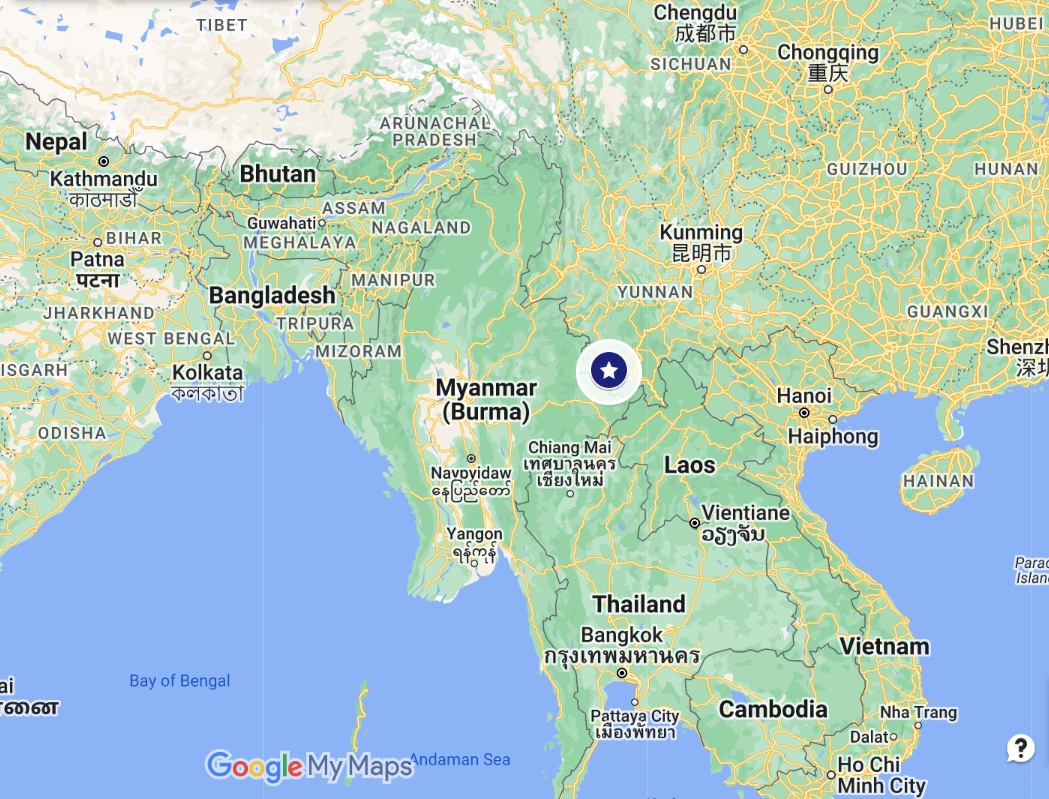
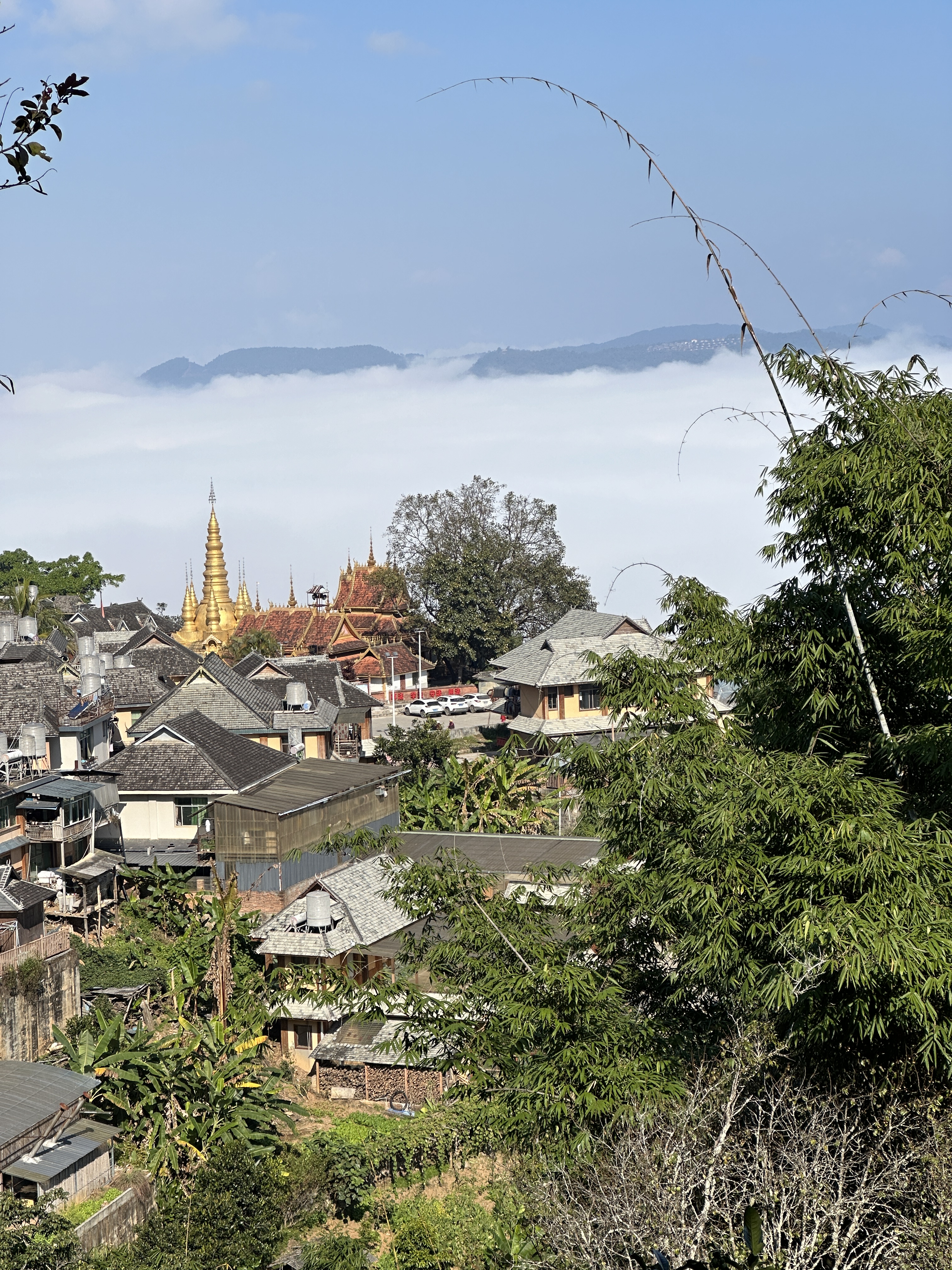
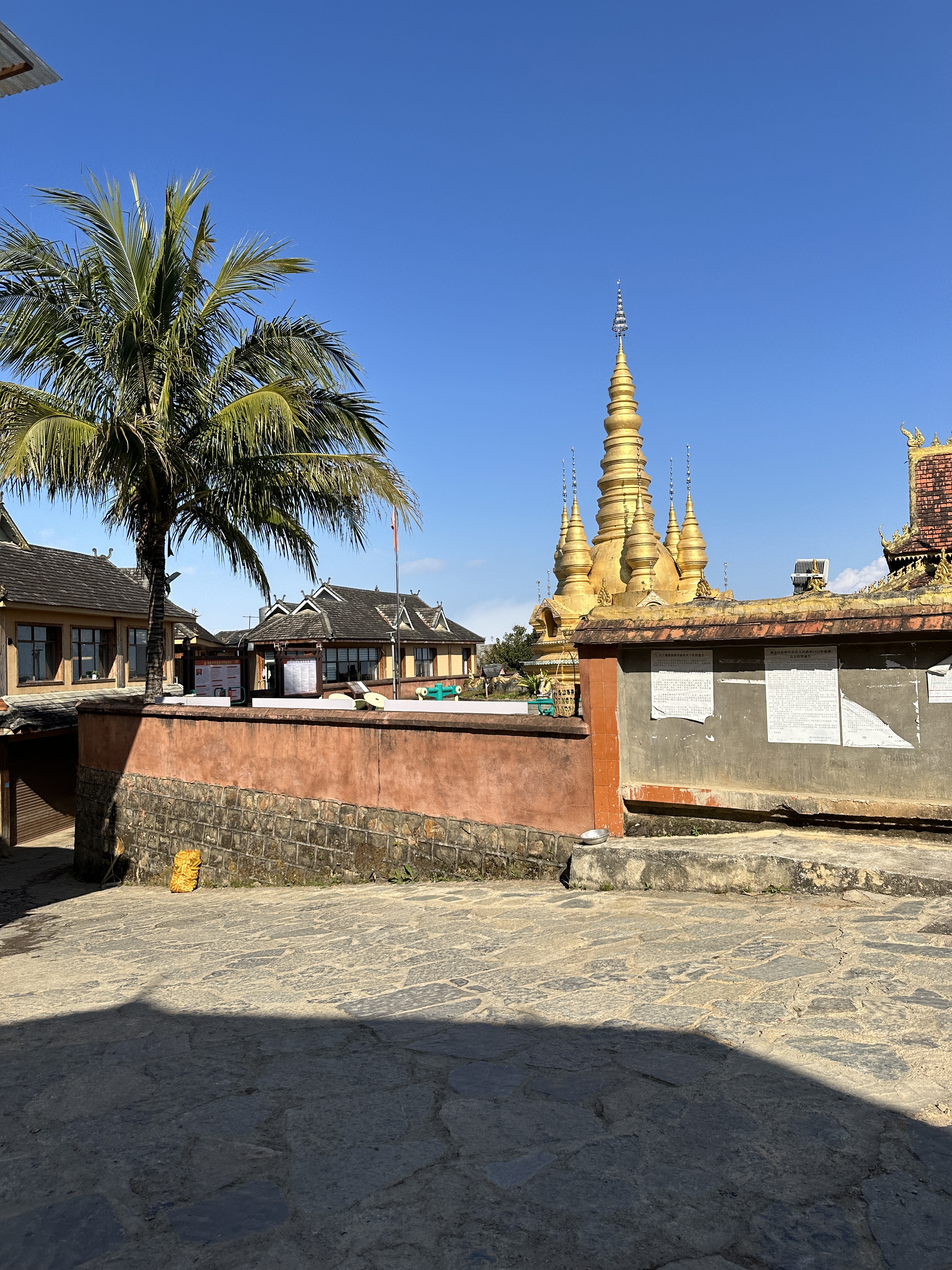
Manggeng [Dai] Village

[Corrected August 25, 2024]

Menggeng Village, Jingmai Administrative Village, Huimin Hani Ethnic Town, Lancang Lahu Autonomous County, Pu’er City, Yunnan, China

Visited December 27, 2023

This is the twenty-fourth post in the series: Villages and Towns of the Southeast Asian Massif

Approximately: 22° 12’ 3.96” N, 100° 3’ 0.107” E

Mengben [Dai] Village

Mengben [Dai] Village, Jingmai Administrative Village, Huimin Hani Ethnic Town, Lancang Lahu Autonomous County, Pu’er City, Yunnan, China

Visited December 27, 2023

This is the twenty-third post in the series: Villages and Towns of the Southeast Asian Massif

Approximately: 22° 12’ 3.96” N, 100° 3’ 0.107” E

Baduo [Natural, Jinuo] Village

Baduo [Natural] Village, Xinsitu [Administrative] Village, Jinuo Ethnic Township, Jinghong City, Xishuangbanna, Yunnan, China

Visited December 24, 2023

This is the twenty-first post in the series: Villages and Towns of the Southeast Asian Massif.

Approximately: 22° 2′ 6.86″ N, 101° 0′ 25.63″ E

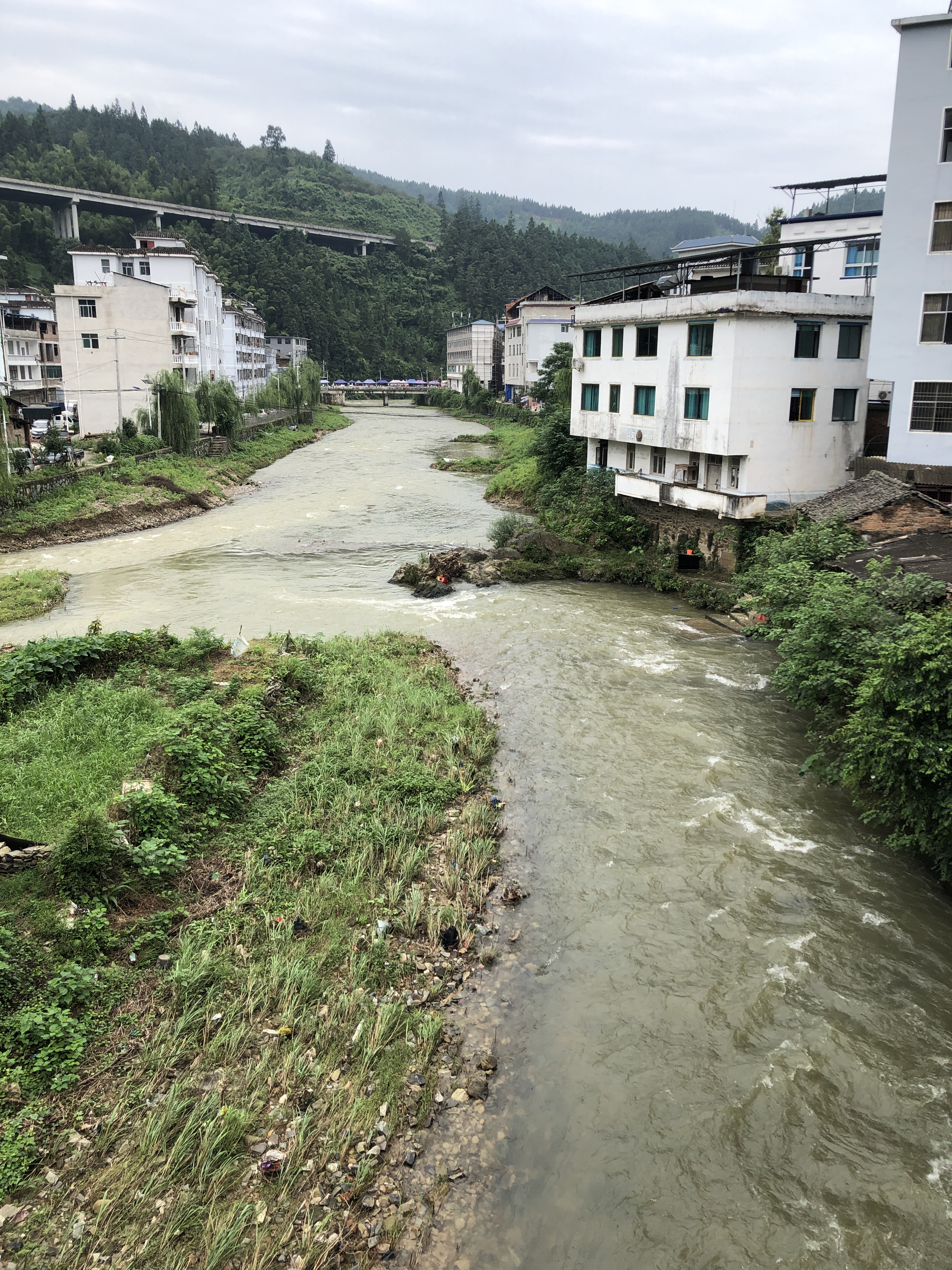
Shuikou Town

Shuikou, Liping County, Qiandongnan Miao and Dong Autonomous Prefecture, Guizhou, China.

Visited July 10, 2019

This is the Twentieth post in the series: Villages and Towns of the Southeast Asian Massif.

Approximately:  25° 54′ 31.7514″ N, 109° 19′ 7.5354″ E

Luoxiang Town

Luoxiang Town, Congjiang County, Qiandongnan Miao and Dong Autonomous Prefecture, Guizhou, China.

Visited July 8, 2019

This is the Nineteenth post in the series: Villages and Towns of the Southeast Asian Massif.

Approximately:  25° 54′ 42.762″ N, 109° 6′ 34.74″ E

Xijiang (Miao) Town

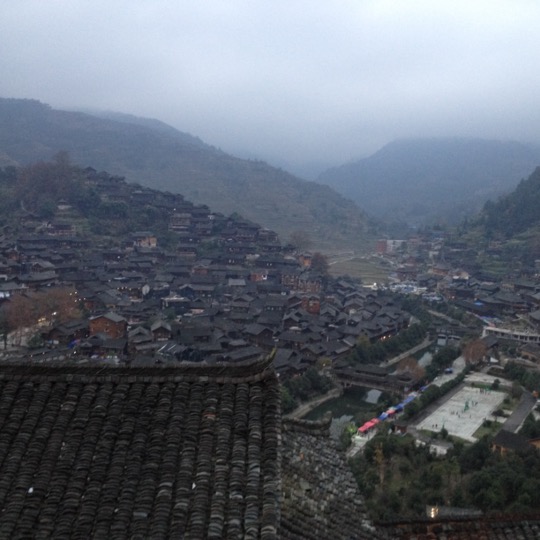
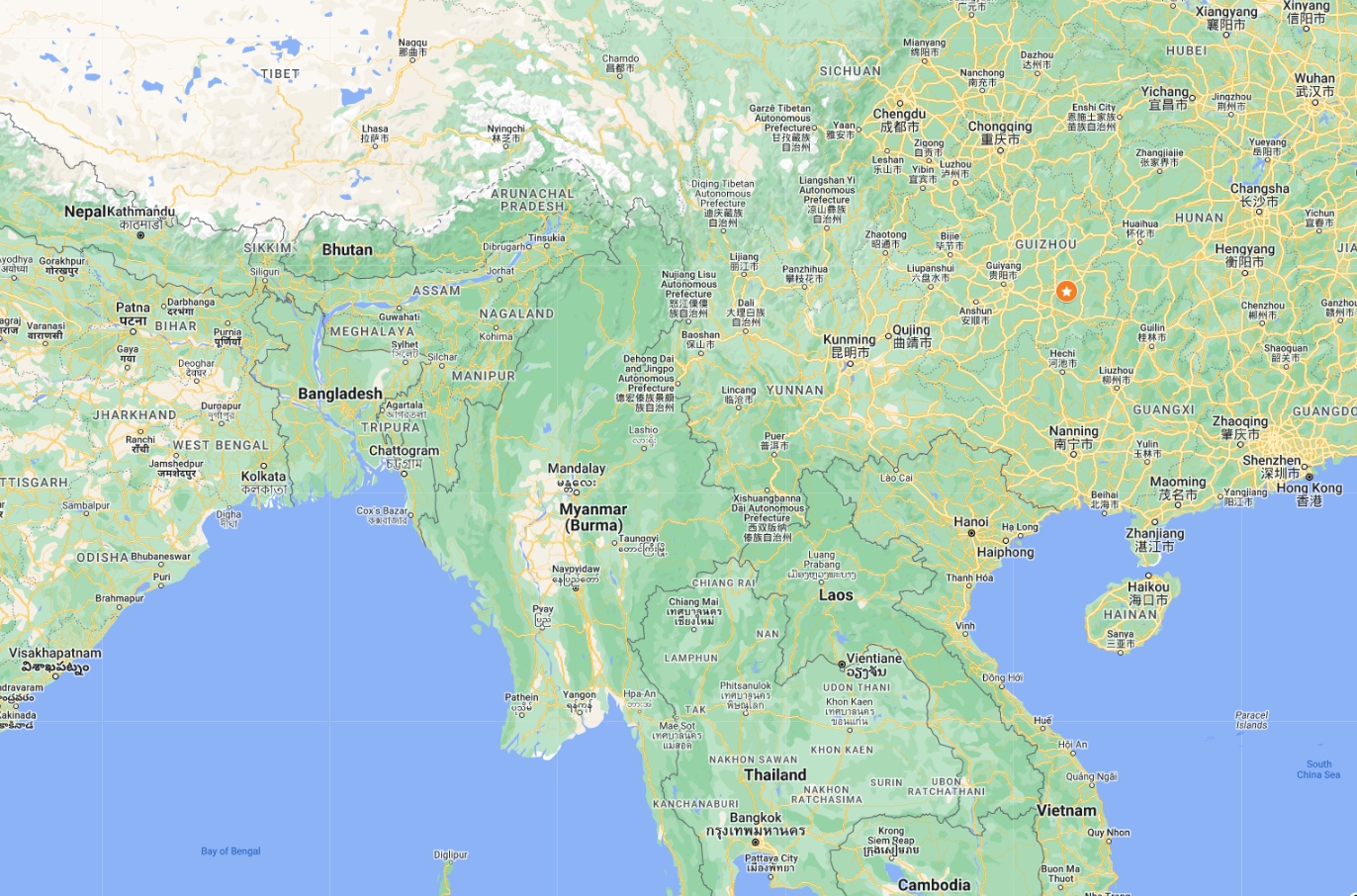
Xijiang (Miao) Town, Leishan County, Qiandongnan Miao and Dong Autonomous Prefecture, Guizhou, China.

Visited December 11-12, 2014.

This is the eighteenth post in the series: Villages and Towns of the Southeast Asian Massif.

Approximately:  26° 29′ 37.1754″ N, 108° 10′ 23.664″ E